Listing Agreement Commercial Form With Multiple Agents In New York
Description

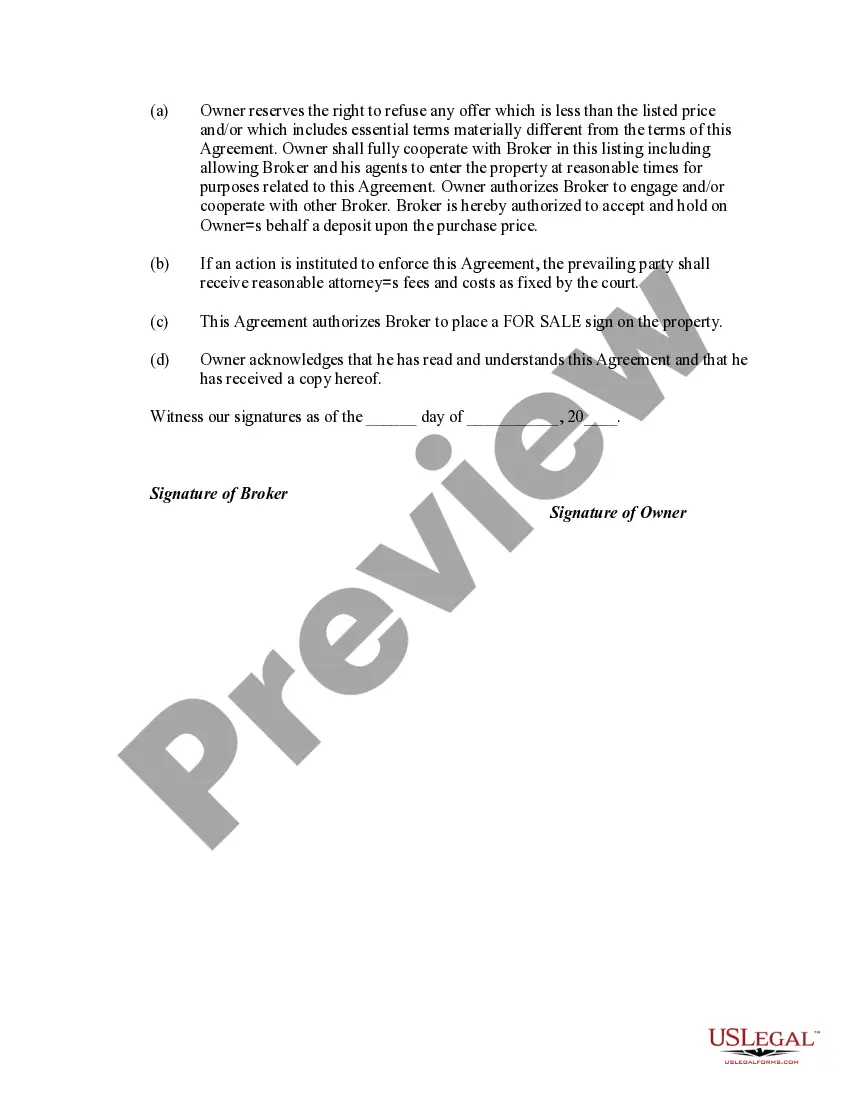

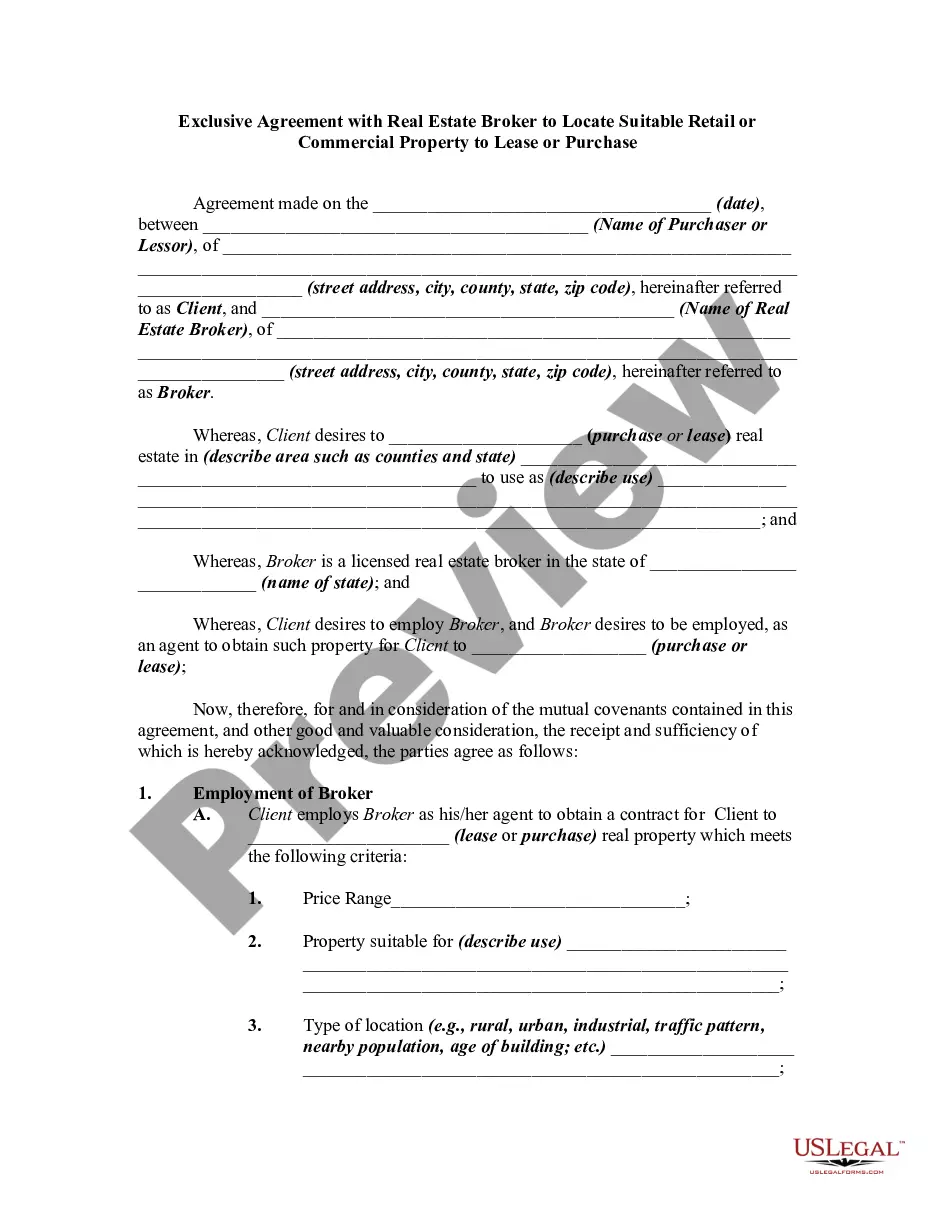
Get your form ready online
Our built-in tools help you complete, sign, share, and store your documents in one place.
Make edits, fill in missing information, and update formatting in US Legal Forms—just like you would in MS Word.
Download a copy, print it, send it by email, or mail it via USPS—whatever works best for your next step.
Sign and collect signatures with our SignNow integration. Send to multiple recipients, set reminders, and more. Go Premium to unlock E-Sign.
If this form requires notarization, complete it online through a secure video call—no need to meet a notary in person or wait for an appointment.
We protect your documents and personal data by following strict security and privacy standards.

Make edits, fill in missing information, and update formatting in US Legal Forms—just like you would in MS Word.

Download a copy, print it, send it by email, or mail it via USPS—whatever works best for your next step.

Sign and collect signatures with our SignNow integration. Send to multiple recipients, set reminders, and more. Go Premium to unlock E-Sign.

If this form requires notarization, complete it online through a secure video call—no need to meet a notary in person or wait for an appointment.

We protect your documents and personal data by following strict security and privacy standards.
Looking for another form?



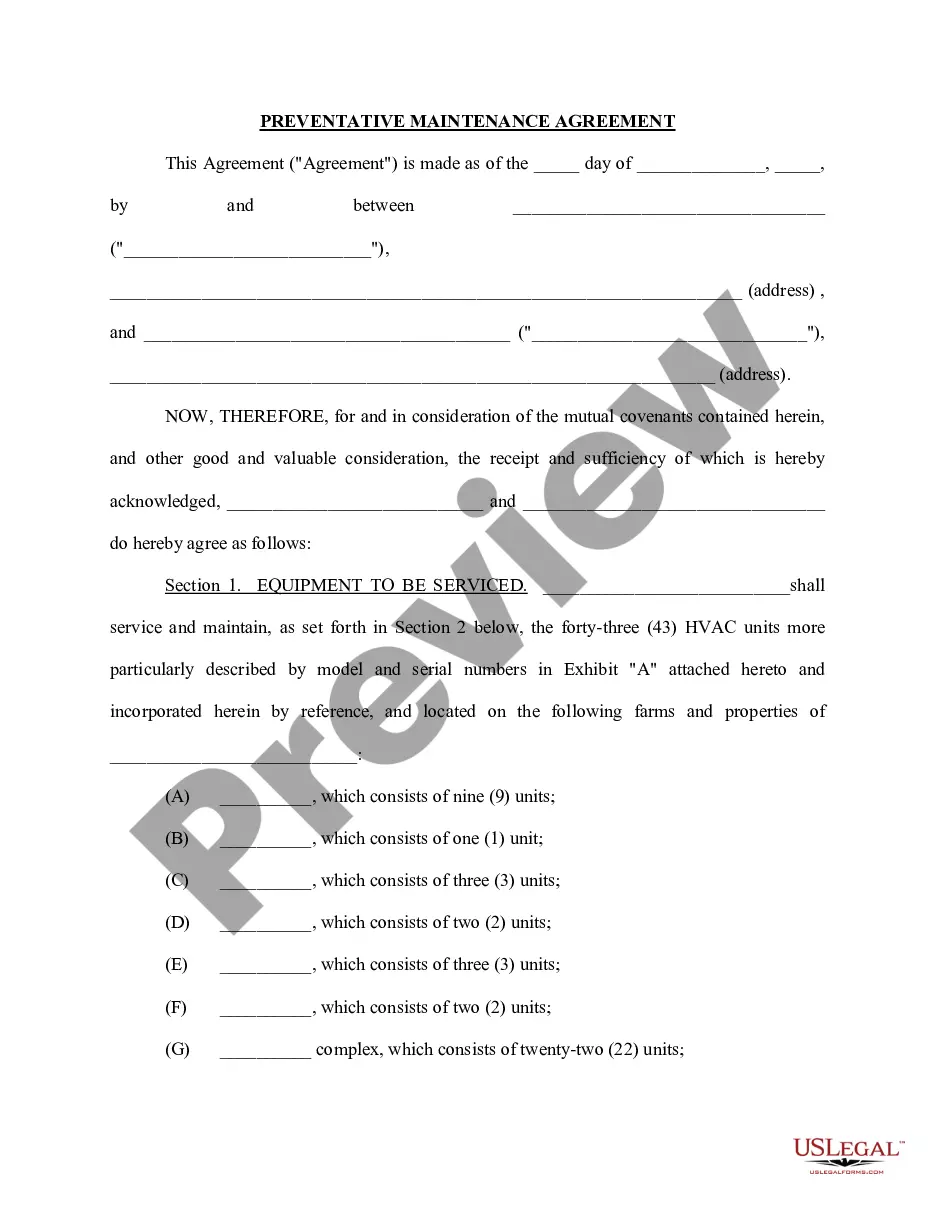




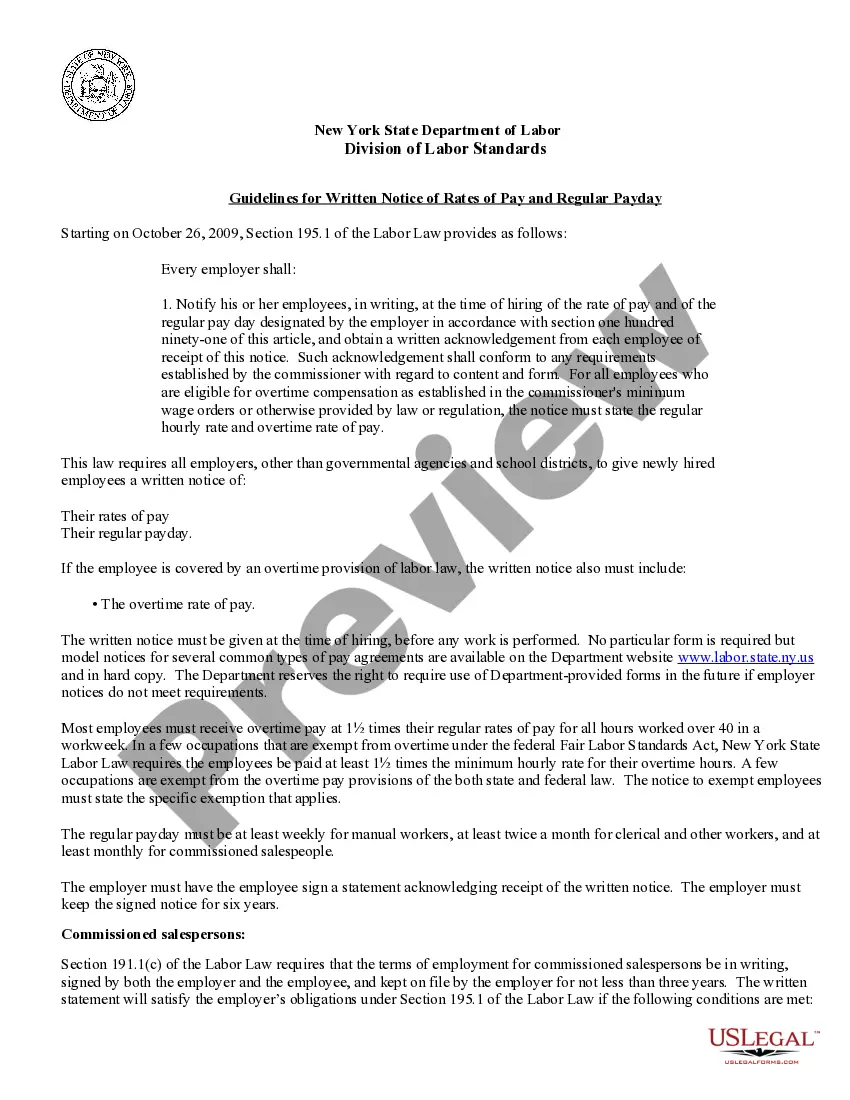
Form popularity
FAQ
The most desirable form of listing agreement from an agent's viewpoint is the Exclusive right to sell because it guarantees a commission for the agent regardless of who sells the property during the listing period.
The most common is the Exclusive Right to Sell or Lease Listing Agreement. The means there is an agency agreement between the seller and the broker, granting the broker the exclusive right to represent the seller in the sale or lease of the seller's property.
Prior to negotiating with the buyer, the seller's agent should give the buyer the New York State Agency Disclosure Form for Buyer and Seller. This form should state that the broker is acting in the interest of the seller as a seller's agent.
Exclusive Right to Sell Listing As the most commonly used listing agreement, the Exclusive Right to Sell Listing's name pretty much says it all. With an Exclusive Right to Sell Listing Agreement, the real estate agent or broker has total control over the transaction.
The exclusive right-to-represent contract is the most common buyer representation agreement and best protects the agent. Buyer's agents make significant time and resource investments.
Prior to negotiating with the buyer, the seller's agent should give the buyer the New York State Agency Disclosure Form for Buyer and Seller. This form should state that the broker is acting in the interest of the seller as a seller's agent.
Beyond the condition of the property and environmental hazards, New York law requires sellers to disclose other pertinent information. This includes any zoning violations, restrictions, and whether the property is in a flood zone.
A provision in an exclusive listing for the authority and obligation on the part of the listing broker to distribute the listing to other brokers in the multiple-listing organization.
Dual Agency and Limited Dual Agency In New York, a real estate agent can work with multiple brokers, but there are restrictions. New York law recognizes dual agency and limited dual agency: Dual Agency: This occurs when a real estate agent work represents both the buyer and the seller in a transaction.
Buyers need to know if the home is in a special historic district because it will affect their ability to make repairs and alterations. Sellers may also be required to disclose problems with drainage or grading, zoning, pending litigation, changes made without permits, boundary disputes, and easements.