Agreement Commercial Property With Residential For Sale In Middlesex
Description

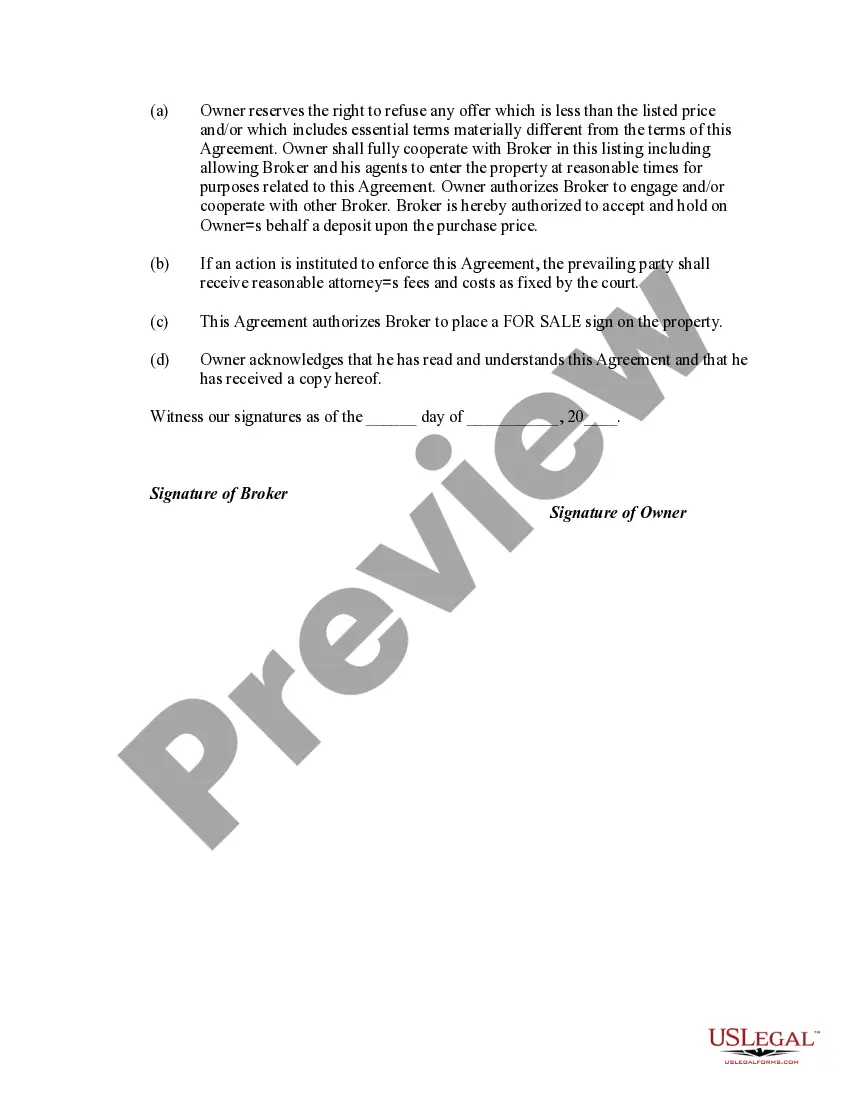

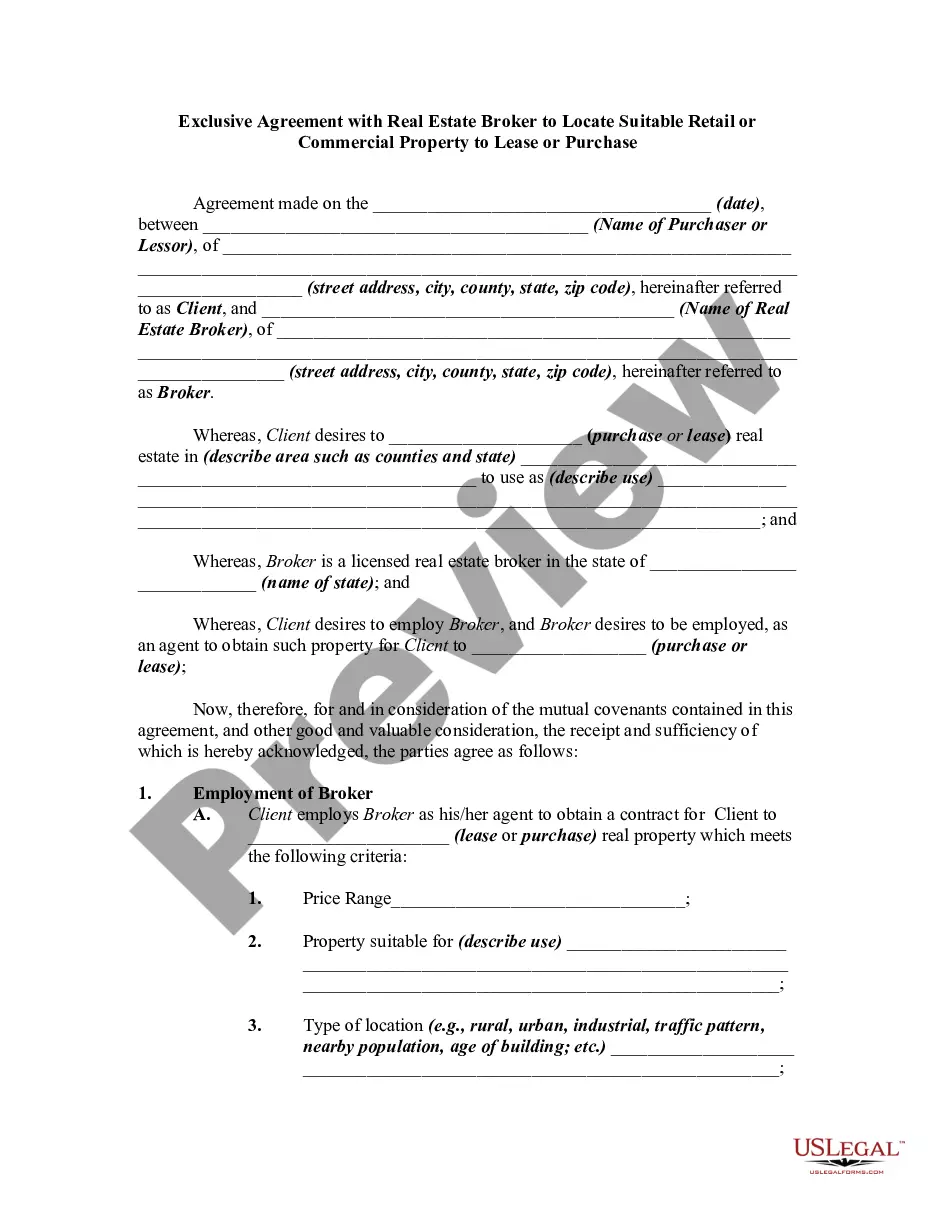
Get your form ready online
Our built-in tools help you complete, sign, share, and store your documents in one place.
Make edits, fill in missing information, and update formatting in US Legal Forms—just like you would in MS Word.
Download a copy, print it, send it by email, or mail it via USPS—whatever works best for your next step.
Sign and collect signatures with our SignNow integration. Send to multiple recipients, set reminders, and more. Go Premium to unlock E-Sign.
If this form requires notarization, complete it online through a secure video call—no need to meet a notary in person or wait for an appointment.
We protect your documents and personal data by following strict security and privacy standards.

Make edits, fill in missing information, and update formatting in US Legal Forms—just like you would in MS Word.

Download a copy, print it, send it by email, or mail it via USPS—whatever works best for your next step.

Sign and collect signatures with our SignNow integration. Send to multiple recipients, set reminders, and more. Go Premium to unlock E-Sign.

If this form requires notarization, complete it online through a secure video call—no need to meet a notary in person or wait for an appointment.

We protect your documents and personal data by following strict security and privacy standards.
Looking for another form?
Form popularity
FAQ
Types of leasehold estates The first type is most common: Estate for years: An agreement that permits occupancy between two specified dates, at the end of which the property must be vacated. Estate from period to period: A monthly tenancy that has no specified end date.
NNN Lease: NNN leases often attract well-established, national tenants with strong credit profiles. These tenants are typically financially stable and less likely to default on lease obligations. NN Lease: NN leases may attract tenants with a varying degree of financial strength.
1. Gross Lease. Gross leases are most common for commercial properties such as offices and retail space. The tenant pays a single, flat amount that includes rent, taxes, utilities, and insurance.
Gross leases are most common for commercial properties such as offices and retail space. The tenant pays a single, flat amount that includes rent, taxes, utilities, and insurance.
A commercial landlord is responsible for all the fixtures and fittings they own and these must be safely installed and maintained properly. The tenant is responsible for the safety and maintenance of any fixtures and fittings they have installed, and that should be clear in the lease.
An agreement for a lease is however as good as a lease until some of the terms and conditions agreed by the parties is/ are breached by either party.
