Agreement Commercial Property With Living Space In Michigan
Description

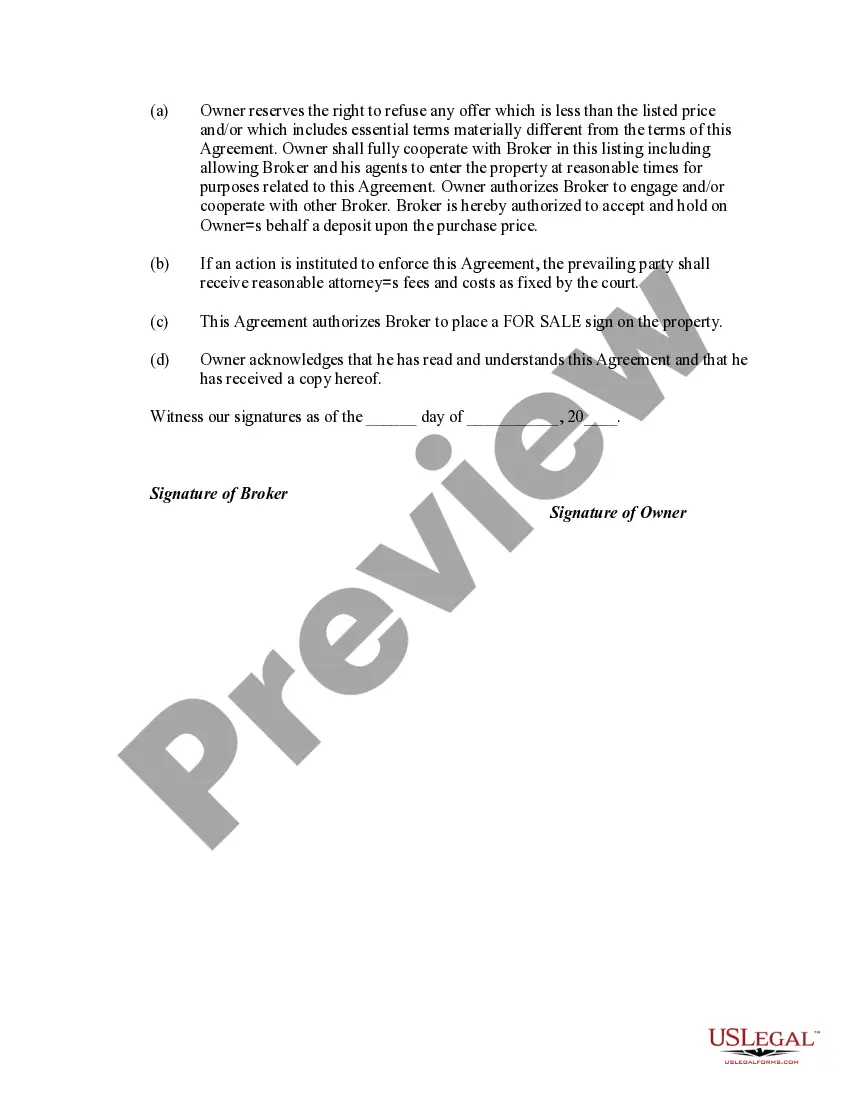

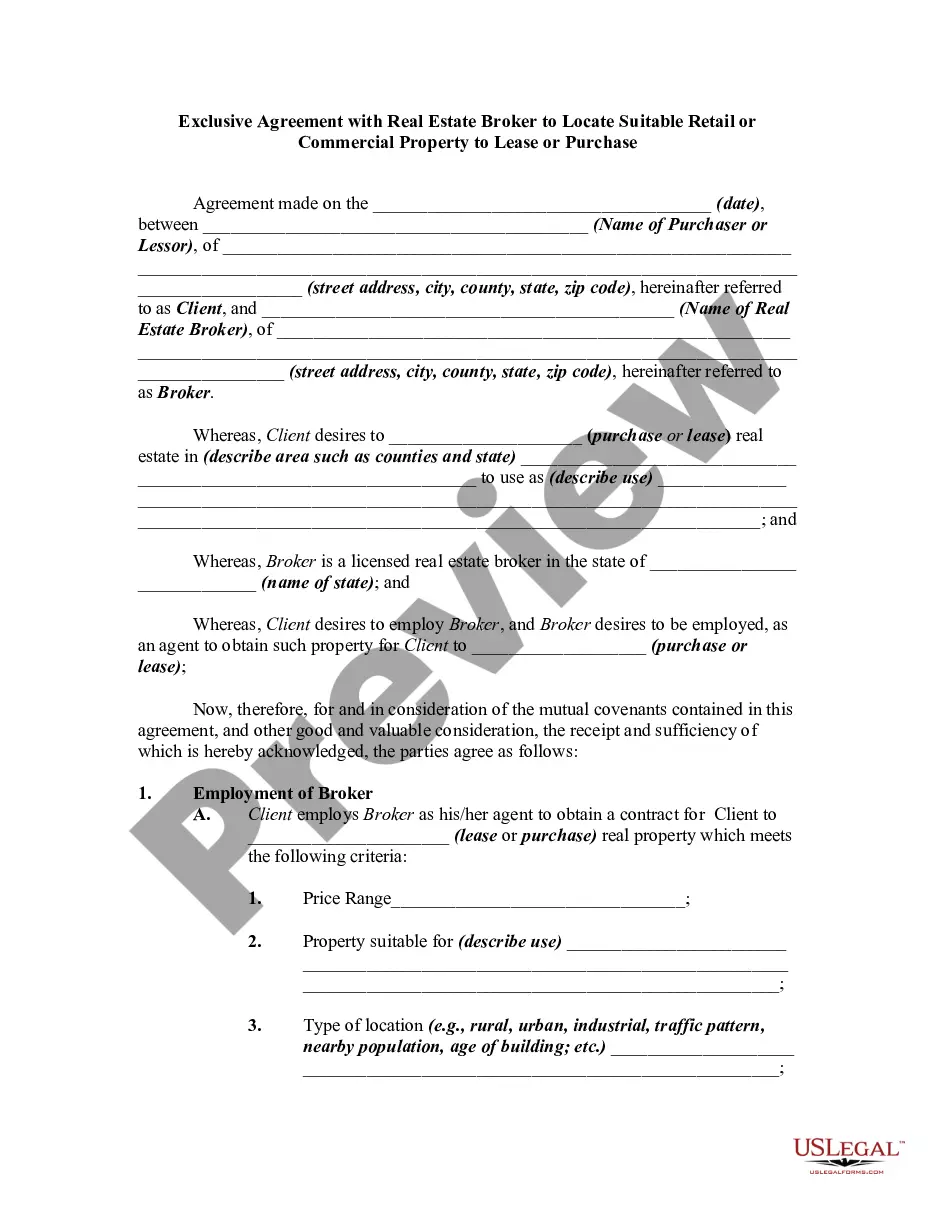
Get your form ready online
Our built-in tools help you complete, sign, share, and store your documents in one place.
Make edits, fill in missing information, and update formatting in US Legal Forms—just like you would in MS Word.
Download a copy, print it, send it by email, or mail it via USPS—whatever works best for your next step.
Sign and collect signatures with our SignNow integration. Send to multiple recipients, set reminders, and more. Go Premium to unlock E-Sign.
If this form requires notarization, complete it online through a secure video call—no need to meet a notary in person or wait for an appointment.
We protect your documents and personal data by following strict security and privacy standards.

Make edits, fill in missing information, and update formatting in US Legal Forms—just like you would in MS Word.

Download a copy, print it, send it by email, or mail it via USPS—whatever works best for your next step.

Sign and collect signatures with our SignNow integration. Send to multiple recipients, set reminders, and more. Go Premium to unlock E-Sign.

If this form requires notarization, complete it online through a secure video call—no need to meet a notary in person or wait for an appointment.

We protect your documents and personal data by following strict security and privacy standards.
Looking for another form?










Form popularity
FAQ
Commercial property shall also include facilities related to a commercial business enterprise under the same ownership at that location, including, but not limited to, office, engineering, research and development, warehousing, parts distribution, retail sales, and other commercial activities.
1. Gross Lease. Gross leases are most common for commercial properties such as offices and retail space. The tenant pays a single, flat amount that includes rent, taxes, utilities, and insurance.
A letter of intent is used in commercial real estate transactions whenever negotiations are expected to be complex. They are typically drafted after someone has already viewed the property and had preliminary conversations with the owner and/or broker about moving forward with the transaction.
Types of leasehold estates The first type is most common: Estate for years: An agreement that permits occupancy between two specified dates, at the end of which the property must be vacated. Estate from period to period: A monthly tenancy that has no specified end date.
No. Michigan Lease Agreements do not need to be notarized. The Rental Contract is legally binding as long as it's signed by both the Landlord, or the lessor, and the Tenant, or the lessee.
Gross leases are most common for commercial properties such as offices and retail space. The tenant pays a single, flat amount that includes rent, taxes, utilities, and insurance.
NNN Lease: NNN leases often attract well-established, national tenants with strong credit profiles. These tenants are typically financially stable and less likely to default on lease obligations. NN Lease: NN leases may attract tenants with a varying degree of financial strength.
