Right To Sell In Massachusetts
Description

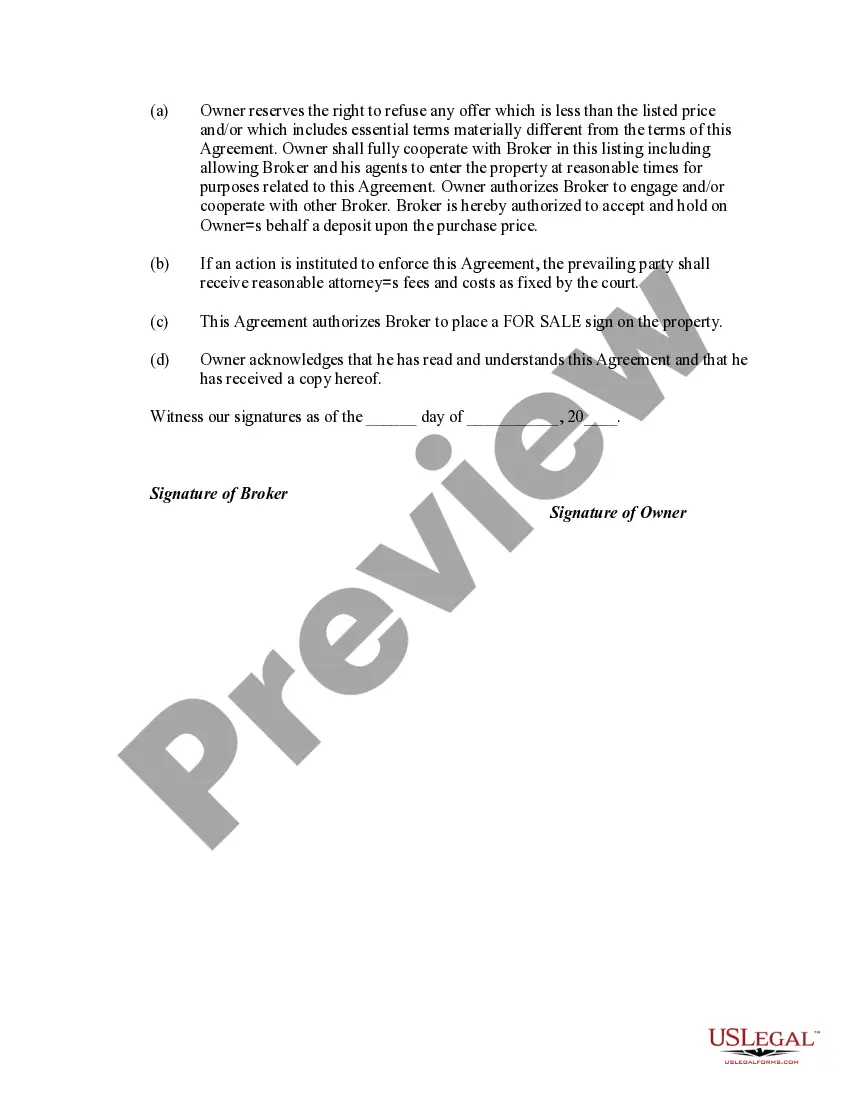

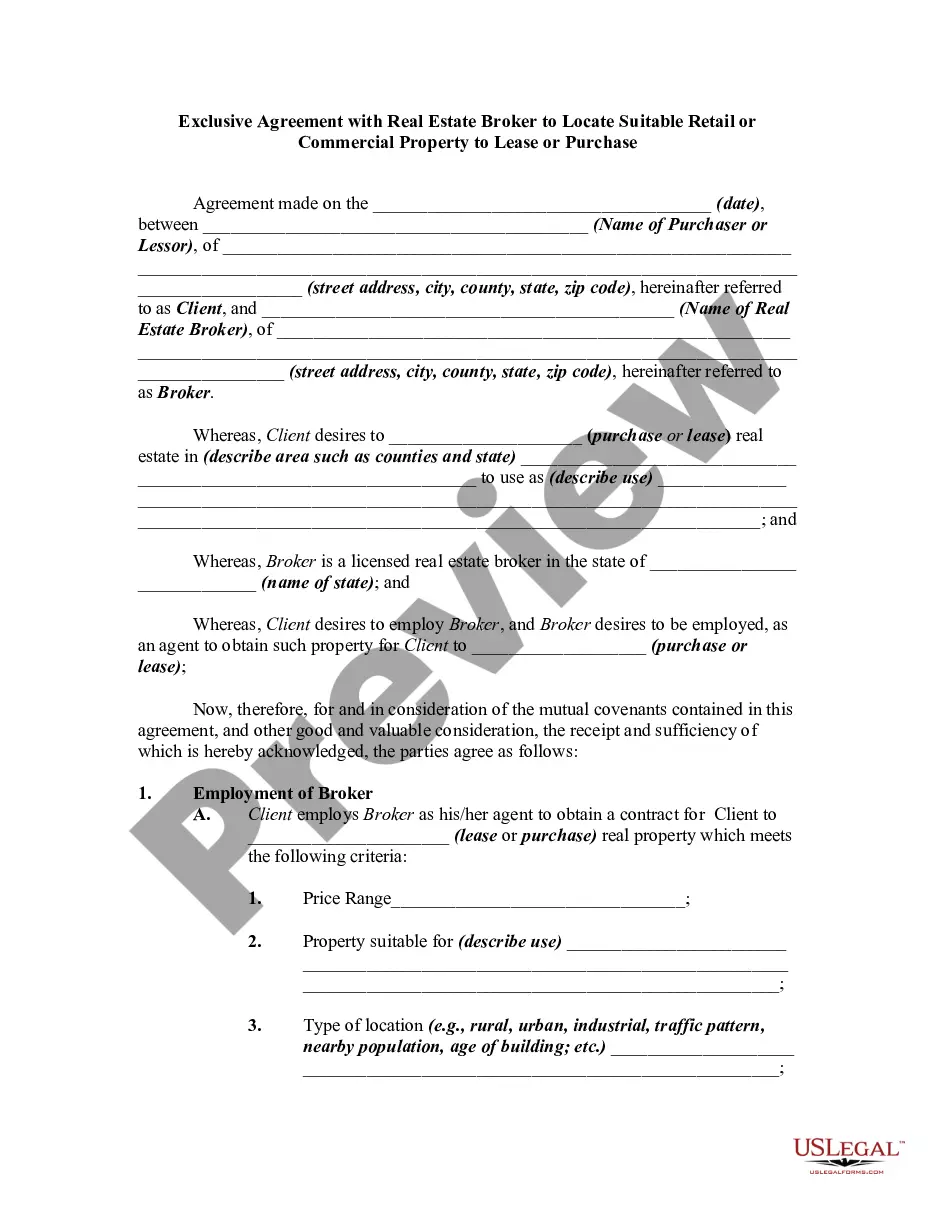
Get your form ready online
Our built-in tools help you complete, sign, share, and store your documents in one place.
Make edits, fill in missing information, and update formatting in US Legal Forms—just like you would in MS Word.
Download a copy, print it, send it by email, or mail it via USPS—whatever works best for your next step.
Sign and collect signatures with our SignNow integration. Send to multiple recipients, set reminders, and more. Go Premium to unlock E-Sign.
If this form requires notarization, complete it online through a secure video call—no need to meet a notary in person or wait for an appointment.
We protect your documents and personal data by following strict security and privacy standards.

Make edits, fill in missing information, and update formatting in US Legal Forms—just like you would in MS Word.

Download a copy, print it, send it by email, or mail it via USPS—whatever works best for your next step.

Sign and collect signatures with our SignNow integration. Send to multiple recipients, set reminders, and more. Go Premium to unlock E-Sign.

If this form requires notarization, complete it online through a secure video call—no need to meet a notary in person or wait for an appointment.

We protect your documents and personal data by following strict security and privacy standards.
Looking for another form?







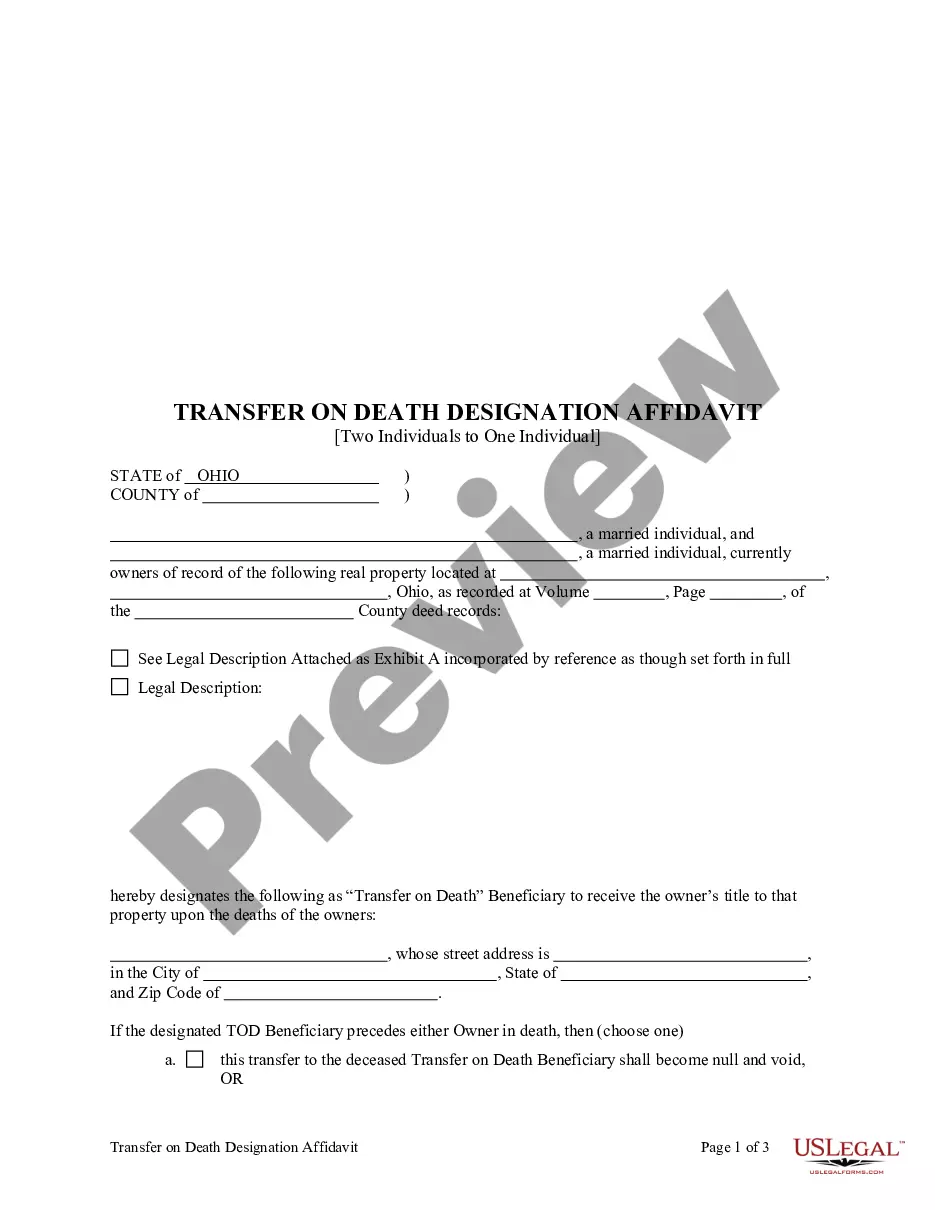
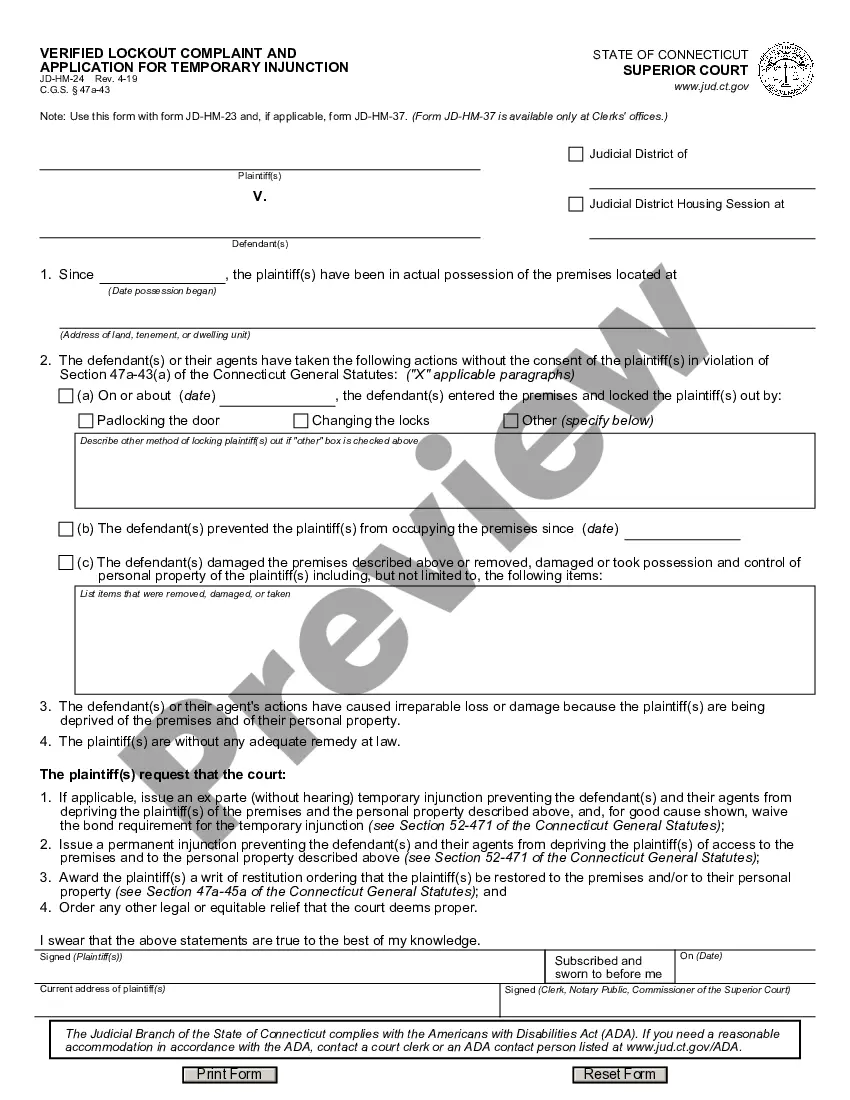

Form popularity
FAQ
Massachusetts does not have a general business license but, depending on your industry, you may have to obtain specific business licenses and permits. Industries that require licenses include retail, transportation, health care, and real estate.
The Chapter 91 Waterways Regulations encourage the use of the waterfront for water-dependent uses, such as recreational boating, commercial fishing, lobstering and shipping commerce. Water-dependent projects are therefore presumed to have a proper public purpose.
Generally, there is a six year statute of limitations for filing a lawsuit to collect upon a debt, and a seven year statute for reporting bad credit, but there is no statute of limitations on billing for bad debts.
This General By-law encourages the pursuit of agriculture, promotes agriculture- based economic opportunities, and protects farmlands within the Town of Farm- Town by allowing agricultural uses and related activities to function with minimal conflict with abutters and Town agencies.
Refund, Return & Cancellation Policies Contrary to popular belief, there is no set law about return policies in Massachusetts.
Massachusetts General Laws Chapter 93A—the Massachusetts “Consumer”1 Protection Act—“is a statute of broad impact” that prohibits “unfair methods of competition” and “unfair or deceptive acts or practices in the conduct of any trade or commerce.”2 The Massachusetts Legislature has enacted many statutes, and the ...
Statute of Limitations A statute of limitations is the date by which a plaintiff must file their action or the suit may be dismissed. The statute of limitations for Chapter 93A claims is four (4) years from the date of the alleged injury or deceptive act which gave rise to the lawsuit.
Do all Massachusetts businesses need a license? The Commonwealth of Massachusetts doesn't have a general business license requirement for all businesses, but it's unlikely that a Massachusetts business can legally operate without some kind of Massachusetts business license or permit.
Chapter 93A Demand Letter By Consumers The first step in filing a complaint under the Massachusetts Consumer Protection Law is to file a "demand letter" that complies with the specific rules set forth by the State Legislature.