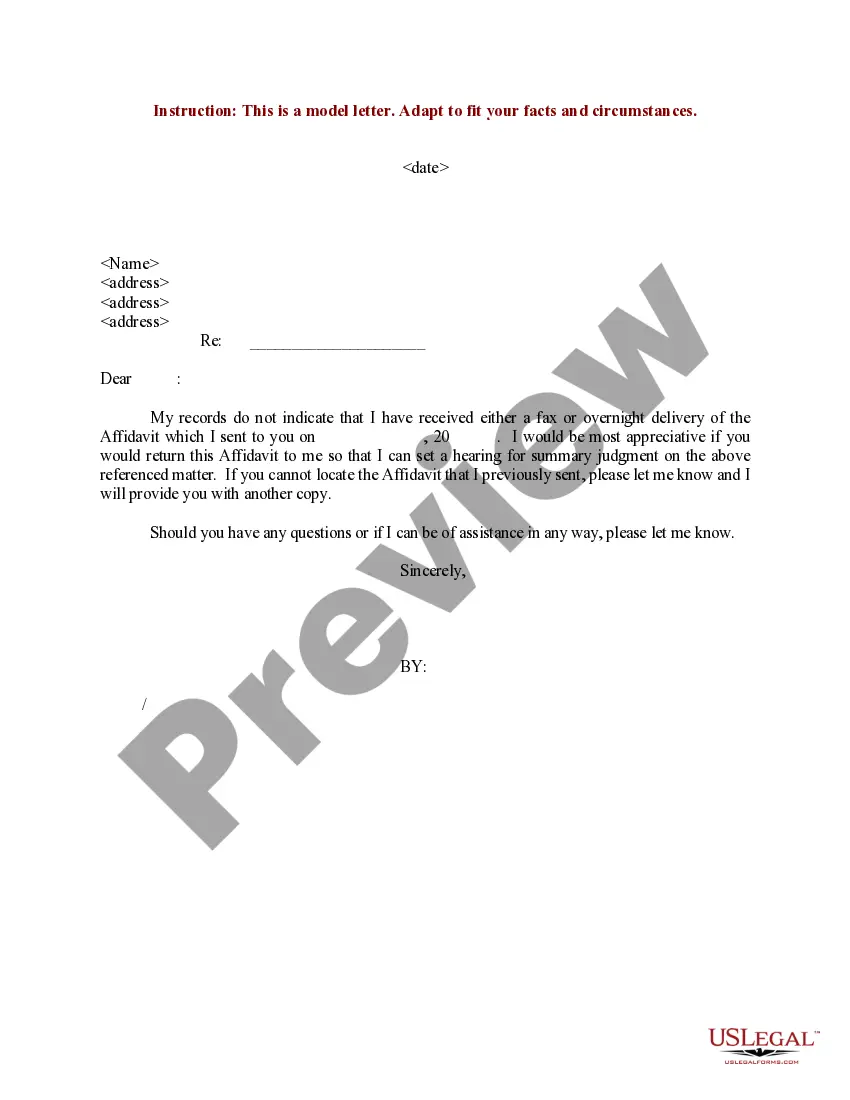
Right To Sell Property In Maryland
Description

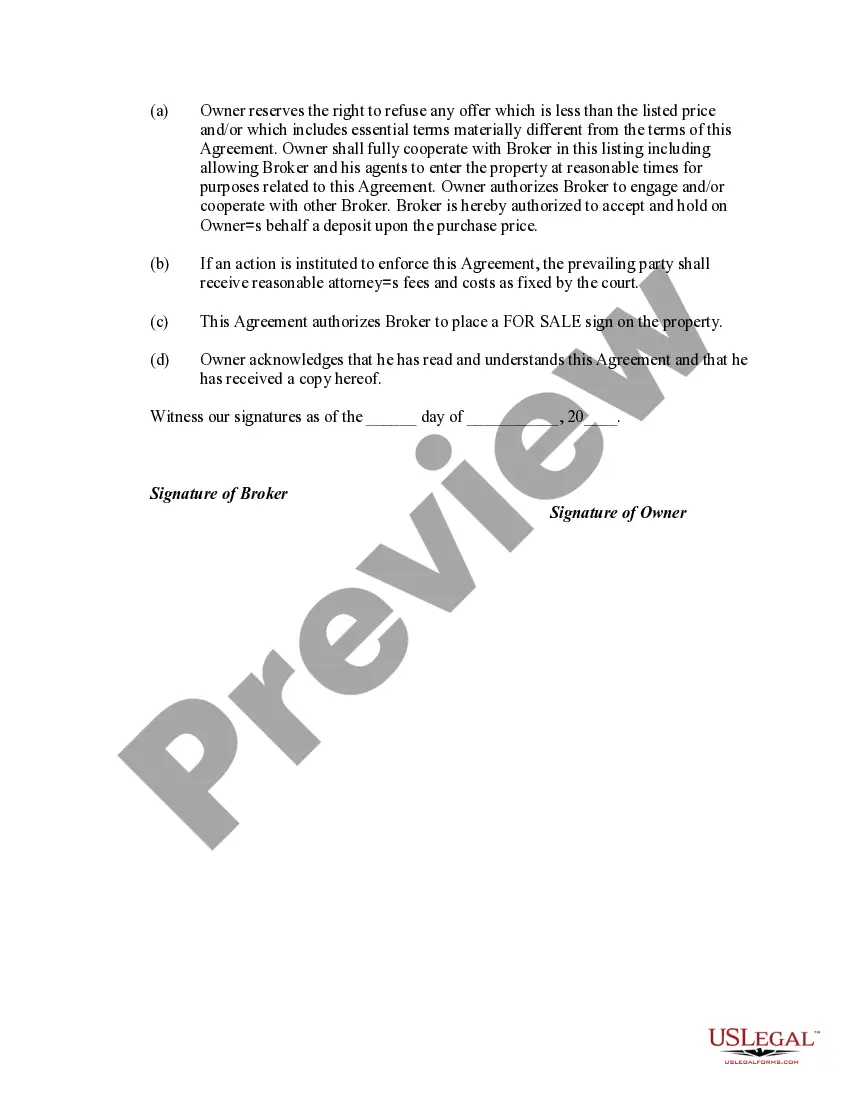

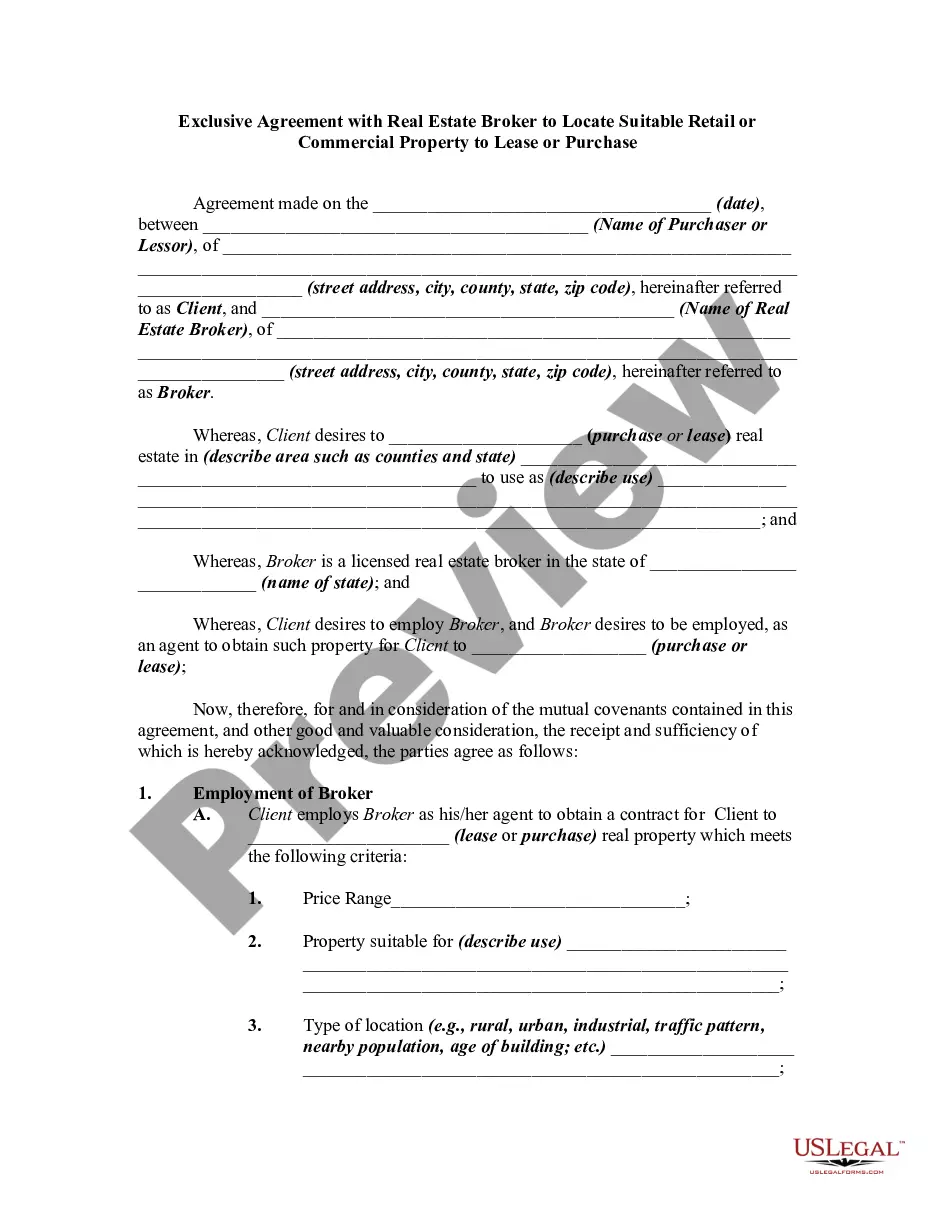
Get your form ready online
Our built-in tools help you complete, sign, share, and store your documents in one place.
Make edits, fill in missing information, and update formatting in US Legal Forms—just like you would in MS Word.
Download a copy, print it, send it by email, or mail it via USPS—whatever works best for your next step.
Sign and collect signatures with our SignNow integration. Send to multiple recipients, set reminders, and more. Go Premium to unlock E-Sign.
If this form requires notarization, complete it online through a secure video call—no need to meet a notary in person or wait for an appointment.
We protect your documents and personal data by following strict security and privacy standards.

Make edits, fill in missing information, and update formatting in US Legal Forms—just like you would in MS Word.

Download a copy, print it, send it by email, or mail it via USPS—whatever works best for your next step.

Sign and collect signatures with our SignNow integration. Send to multiple recipients, set reminders, and more. Go Premium to unlock E-Sign.

If this form requires notarization, complete it online through a secure video call—no need to meet a notary in person or wait for an appointment.

We protect your documents and personal data by following strict security and privacy standards.
Looking for another form?

Form popularity
FAQ
In short, to force the sale of jointly owned property, you must first confirm title, then attempt a voluntary sale or buyout, file and serve a partition lawsuit, get an appraisal, sell the property, and finally divide the sale proceeds fairly.
Having a buyer's agent is essential when buying a house in Maryland. If you try to buy a house without a buyer's agent, you are putting yourself at a great disadvantage, you're bound to make mistakes, and more importantly, you're putting yourself at great risk!
Sell Your House Without a REALTOR® in Maryland Step 1: Do the Research. Step 2: Pre-Inspect Your House. Step 3: Photos, Video & Disclosures. Step 4: Marketing Your House. Step 5: Showings. Step 6: Negotiating Offers. Step 7: Settlement.
In Maryland, here's what you are required to do for each type of lease: Week-to-week lease – You must provide the tenant with a one-week notice. Month-to-month lease – You must provide the tenant with a one-month notice. Yearly lease- In most cases, you must give tenants a three-month notice.
Yes, Maryland law mandates that sellers of residential real estate complete a form known as the Residential Property Disclosure and Disclaimer Statement, as outlined in Md. Code § 10-702. This form requires sellers to disclose conditions and defects that could affect the property's value or desirability.
Do you have to report a death in your home while selling real estate in Maryland? Maryland does not require disclose of death on a property.
§ 10-702(e)(2) states that you must disclose the condition of the water and sewer systems, the structural systems, the plumbing, electrical, heating and air conditioning systems, the existence of wood-destroying insects, the presence of hazardous materials, and any other material defects known to the seller.
Sellers are required to disclose property information to the realtor and potential buyers based on state and local laws. A disclosure document details a property's condition and what might negatively affect its value. Sellers who willfully conceal information can be sued and potentially convicted of a crime.