Property Lines For My House In Allegheny
Description


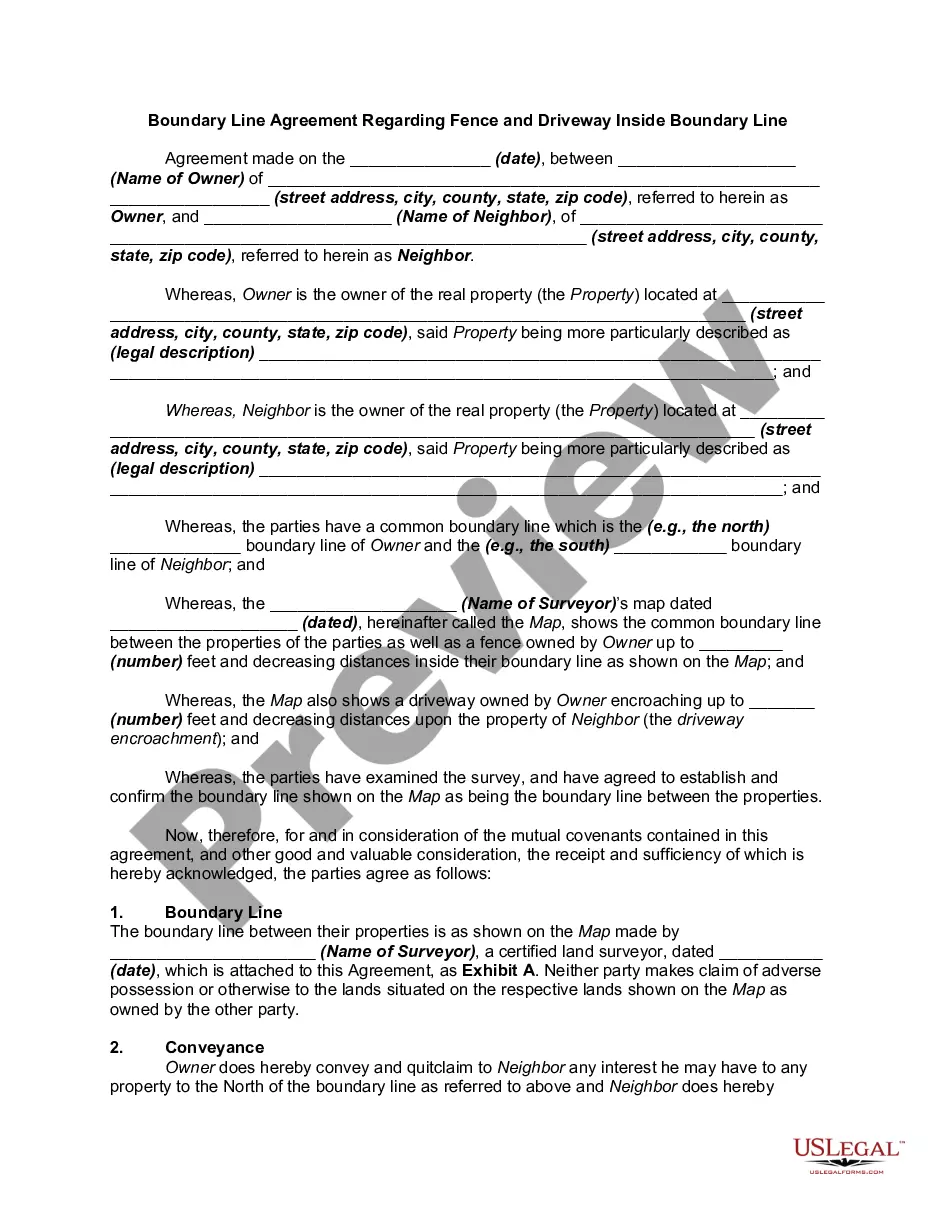
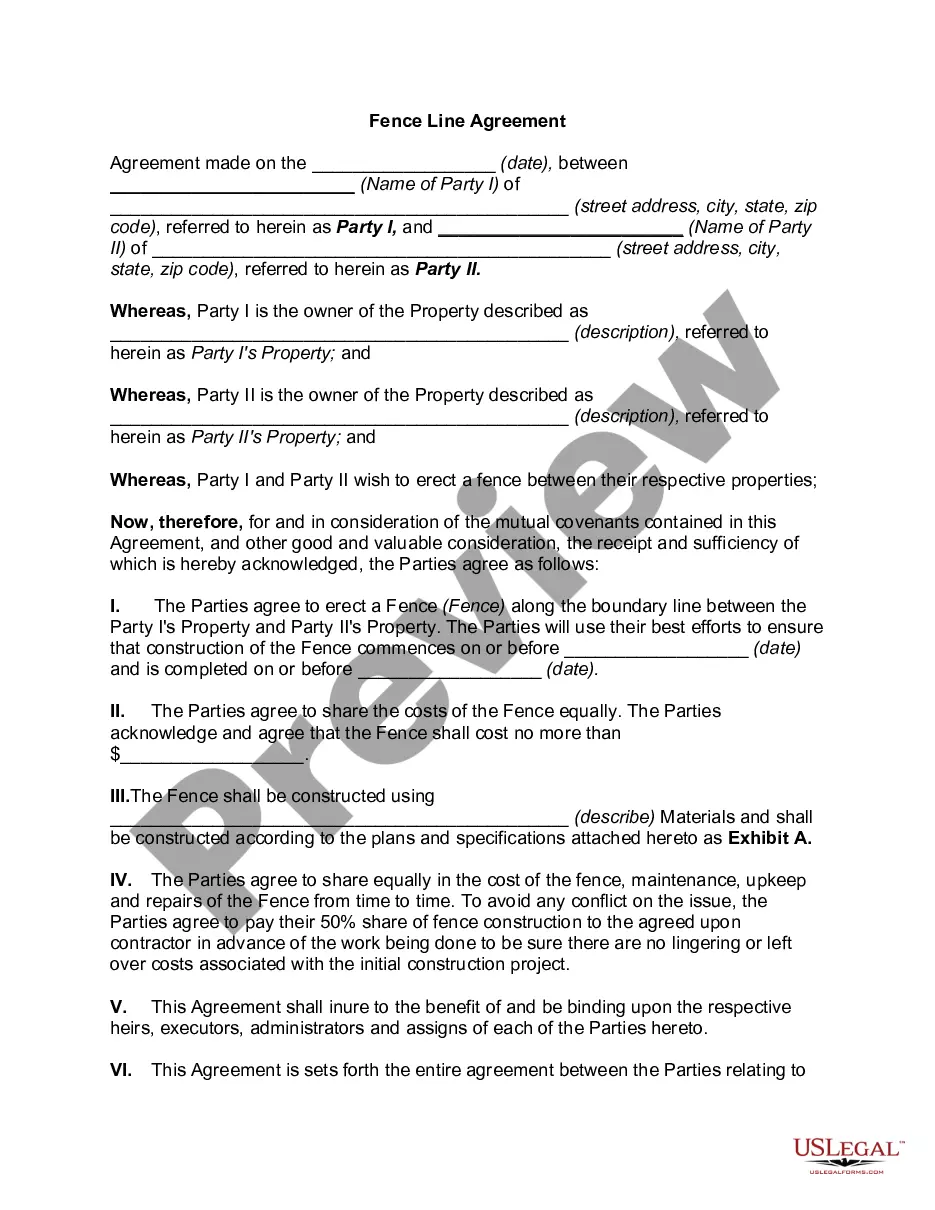
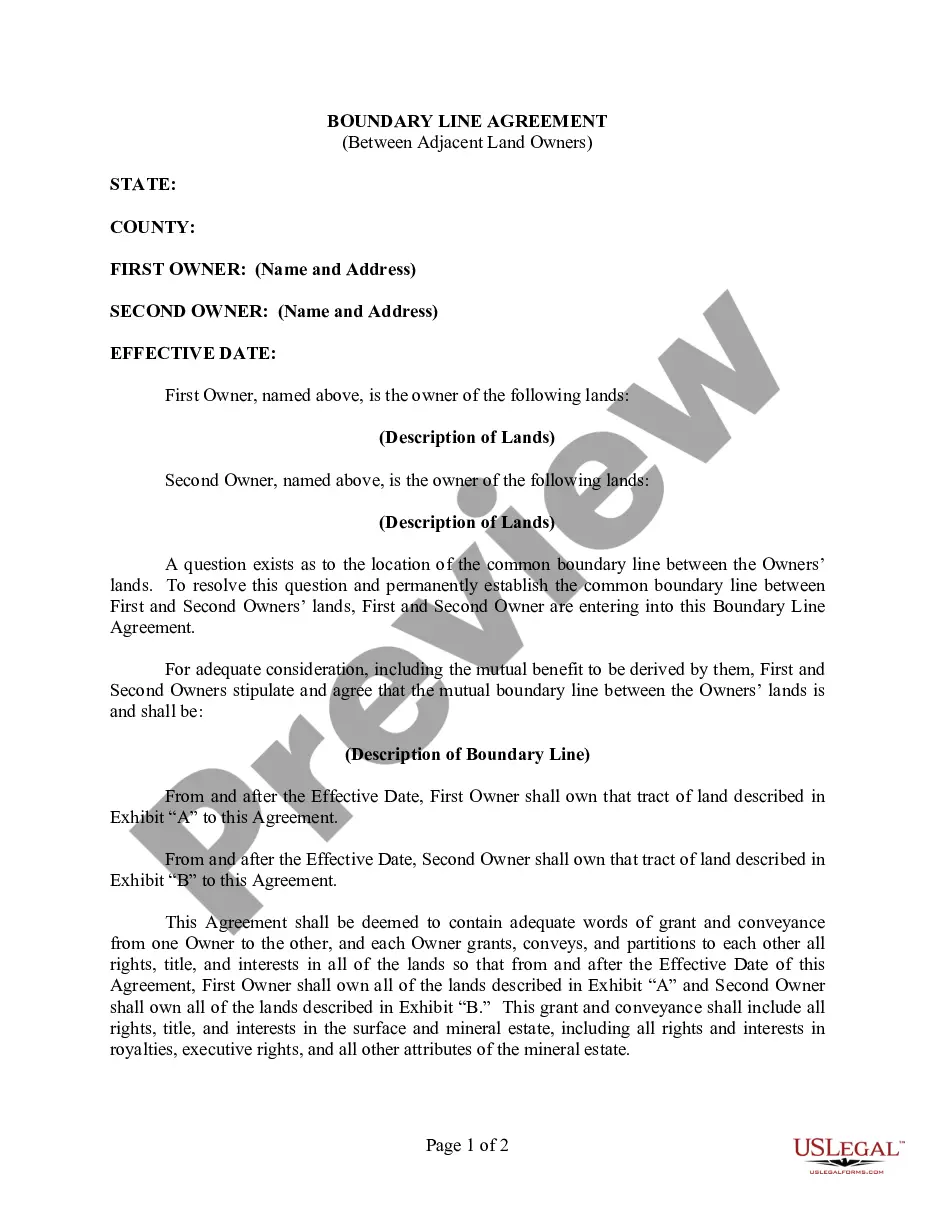
Get your form ready online
Our built-in tools help you complete, sign, share, and store your documents in one place.
Make edits, fill in missing information, and update formatting in US Legal Forms—just like you would in MS Word.
Download a copy, print it, send it by email, or mail it via USPS—whatever works best for your next step.
Sign and collect signatures with our SignNow integration. Send to multiple recipients, set reminders, and more. Go Premium to unlock E-Sign.
If this form requires notarization, complete it online through a secure video call—no need to meet a notary in person or wait for an appointment.
We protect your documents and personal data by following strict security and privacy standards.

Make edits, fill in missing information, and update formatting in US Legal Forms—just like you would in MS Word.

Download a copy, print it, send it by email, or mail it via USPS—whatever works best for your next step.

Sign and collect signatures with our SignNow integration. Send to multiple recipients, set reminders, and more. Go Premium to unlock E-Sign.

If this form requires notarization, complete it online through a secure video call—no need to meet a notary in person or wait for an appointment.

We protect your documents and personal data by following strict security and privacy standards.
Looking for another form?






Form popularity
FAQ
Pennsylvania tax records are confidential and may be released only to the taxpayer or pursuant to a release signed by the taxpayer. However, taxpayers can access their tax records 24/7 via their online myPATH account. To do so, please visit mypath.pa(opens in a new tab).
Real Property Official Records Search. Select a Recorder to begin your search. Pennsylvania is divided into 67 recorder districts with an elected Recorder of Deeds responsible for each office. Documents related to the ownership of real estate within the district are recorded at the Recorder of Deeds.
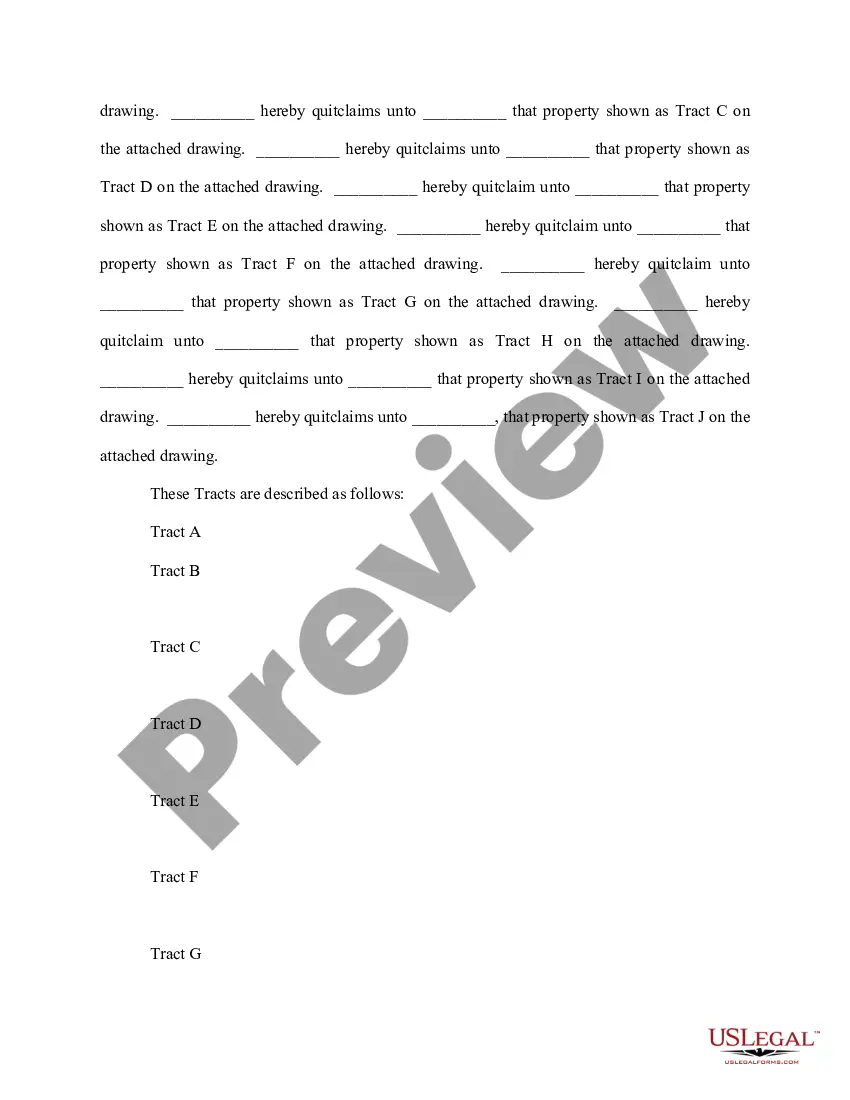
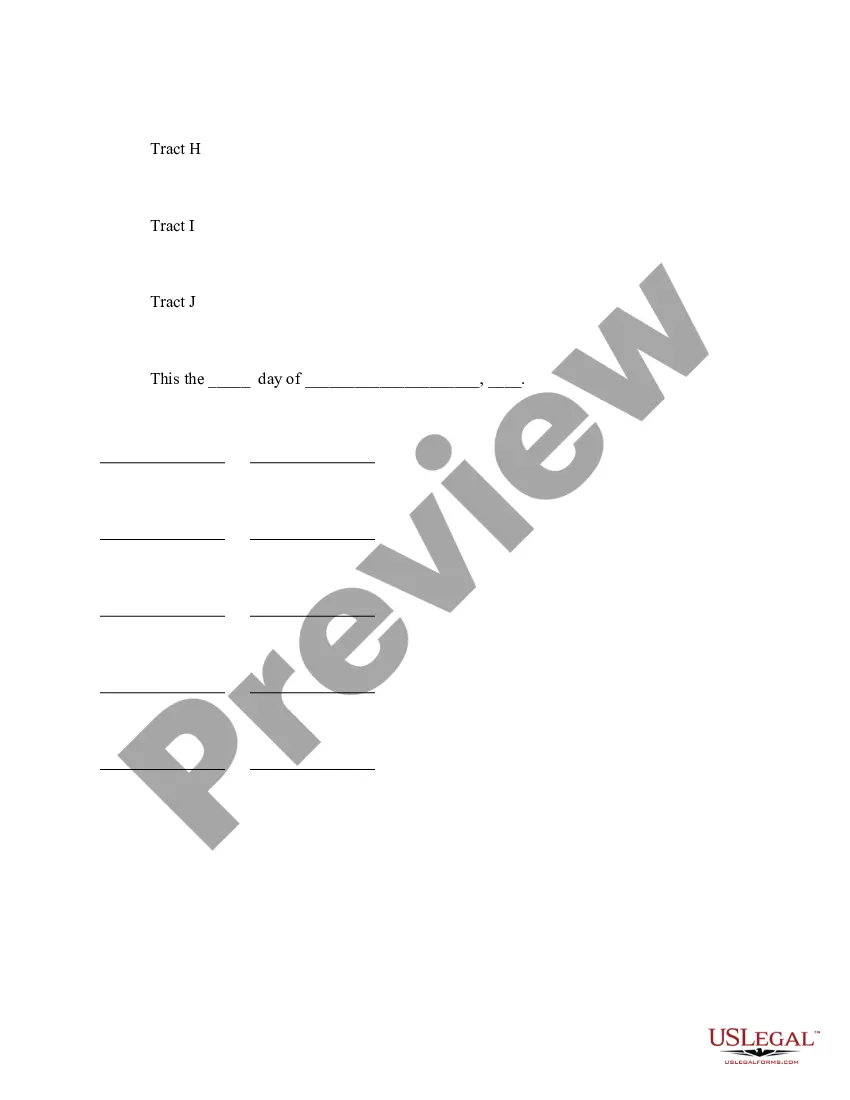
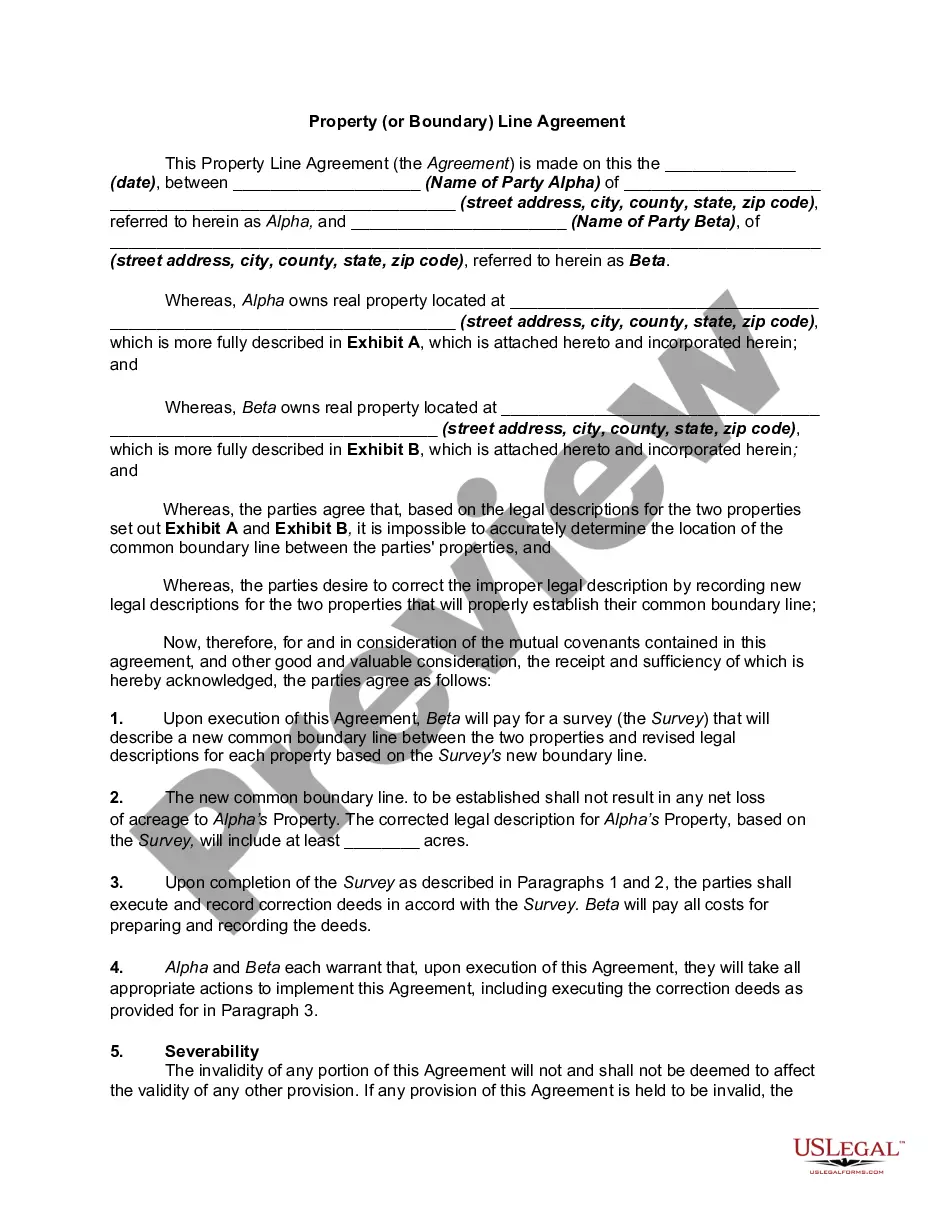
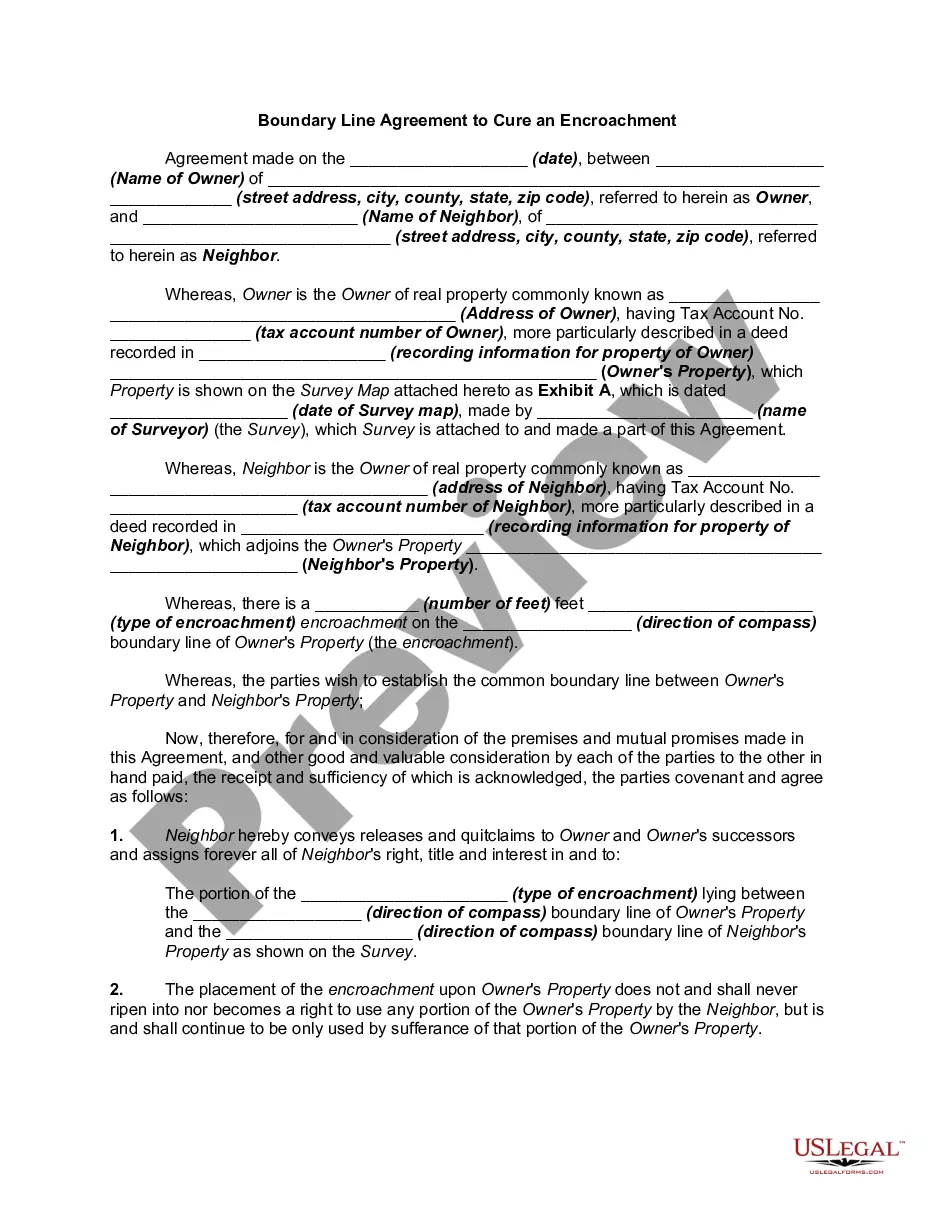
How can I determine my property line? Your deed will have a legal description of the boundary of your property, but you need a surveyor to use this information to locate the property lines and place markers on the land.
To complete a house title search in Pennsylvania, you can hire someone to complete the search, visit the courthouse of the county where the property is located, or visit the county assessor.
17 Ways To Find The Owner Of A Property Check Your Local Assessor's Office. Check With The County Clerk. Use Your Local Library. Search Online Databases. Leverage Your State's Parcel Maps. Search For The Owner Online. Look At Google Maps. Consult A Real Estate Agent.
The department files liens in the county Prothonotary's Office where the taxpayer resides or does business. Liens, along with most other court records, are public documents.
Here are the most common ways to find them: Check Google Maps. This one is the quickest and easiest way to establish where your property lines are. Hire a surveyor. Check online property records. Look for physical markers on your property. Check your property deed. Check a plat map. Review your property survey.
Allegheny County uses base year methodology to set assessed values. Base year methodology allows similar homes to have similar assessments by eliminating the effect of changing market conditions. Our current base year is 2012 with an effective date of value of January 1, 2012.
Your property lines are noted in a few different locations, including in the legal description for the lot, which would be on your property deed and on a plat map, typically available through your local assessor's office or planning office.
How can I determine my property line? Your deed will have a legal description of the boundary of your property, but you need a surveyor to use this information to locate the property lines and place markers on the land.
