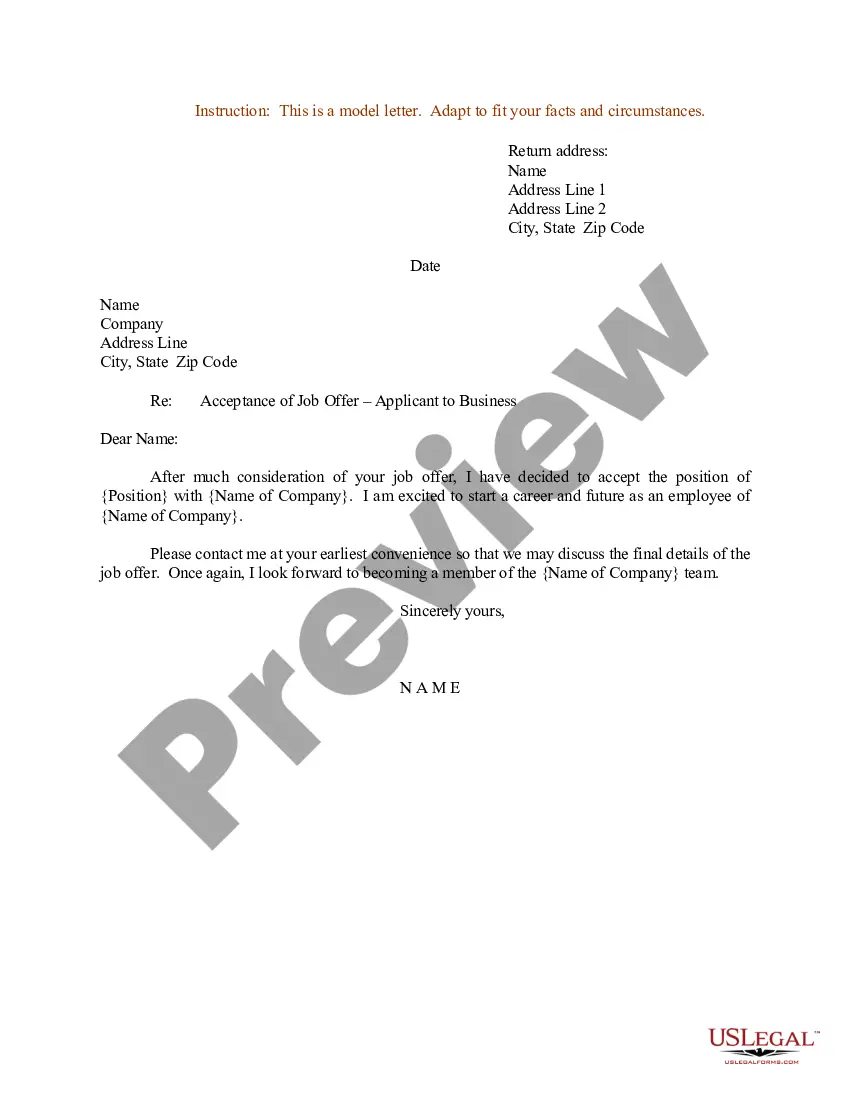
Sample Claim Statement With Defamation In Washington
Description


Get your form ready online
Our built-in tools help you complete, sign, share, and store your documents in one place.
Make edits, fill in missing information, and update formatting in US Legal Forms—just like you would in MS Word.
Download a copy, print it, send it by email, or mail it via USPS—whatever works best for your next step.
Sign and collect signatures with our SignNow integration. Send to multiple recipients, set reminders, and more. Go Premium to unlock E-Sign.
If this form requires notarization, complete it online through a secure video call—no need to meet a notary in person or wait for an appointment.
We protect your documents and personal data by following strict security and privacy standards.

Make edits, fill in missing information, and update formatting in US Legal Forms—just like you would in MS Word.

Download a copy, print it, send it by email, or mail it via USPS—whatever works best for your next step.

Sign and collect signatures with our SignNow integration. Send to multiple recipients, set reminders, and more. Go Premium to unlock E-Sign.

If this form requires notarization, complete it online through a secure video call—no need to meet a notary in person or wait for an appointment.

We protect your documents and personal data by following strict security and privacy standards.
Looking for another form?








Form popularity
FAQ
Truth is an absolute defence to defamation. The defendant must prove that the defamatory statements were, in fact, true. For instance, if the statements concern the quality of goods or services, the defendant could provide independent testing or other evidence supporting the truth of the claims.
An effective defamation cease and desist letter will usually begin with a clear and factual introduction of the involved parties. Following this, the letter should present the facts in a chronological order, beginning with the earliest incident and progressing through subsequent events.
These cases can be complex, encompassing both written (libel) and spoken (slander) forms of defamation. In Washington state, proving defamation requires demonstrating that the defendant made a false statement about the plaintiff, published it to a third party, and caused damage to the plaintiff's reputation.
The most common defenses to defamation are: 1) truth; 2) consent; 3) privilege; and 4) the statute of limitations. Perhaps the most distinct aspect of the defamation cause of action is that falsity is required.
Truth is widely accepted as a complete defense to all defamation claims.
Truth, or substantial truth, is a complete defense to a claim of defamation.
To win a defamation case, the following elements must be proven: Falsity: The statement made must be false. Publication or Communication: The statement must have been made known to third parties. Malice: The statement must have been made with malice or ill intent.
Examples of social media defamation Sharing a video that includes untrue comments about an individual, with the purpose of defaming them and causing harm to their reputation. Leaving a Google review that is false and aimed at tarnishing the reputation of a business.
To state a cause of action for defamation, a plaintiff must allege: (1) Falsity; (2) Unprivileged Communication – Liability requires that the defamation be communicated (“publication” of the defamation); (3) Fault; and (4) Damages.
A defamatory statement must be an assertion of fact, not an opinion. For example, if your boss says that you are not a very nice person, then that statement is likely to be an opinion. On the other hand, if your boss says you have been stealing from the company, that is a statement of fact, not opinion.