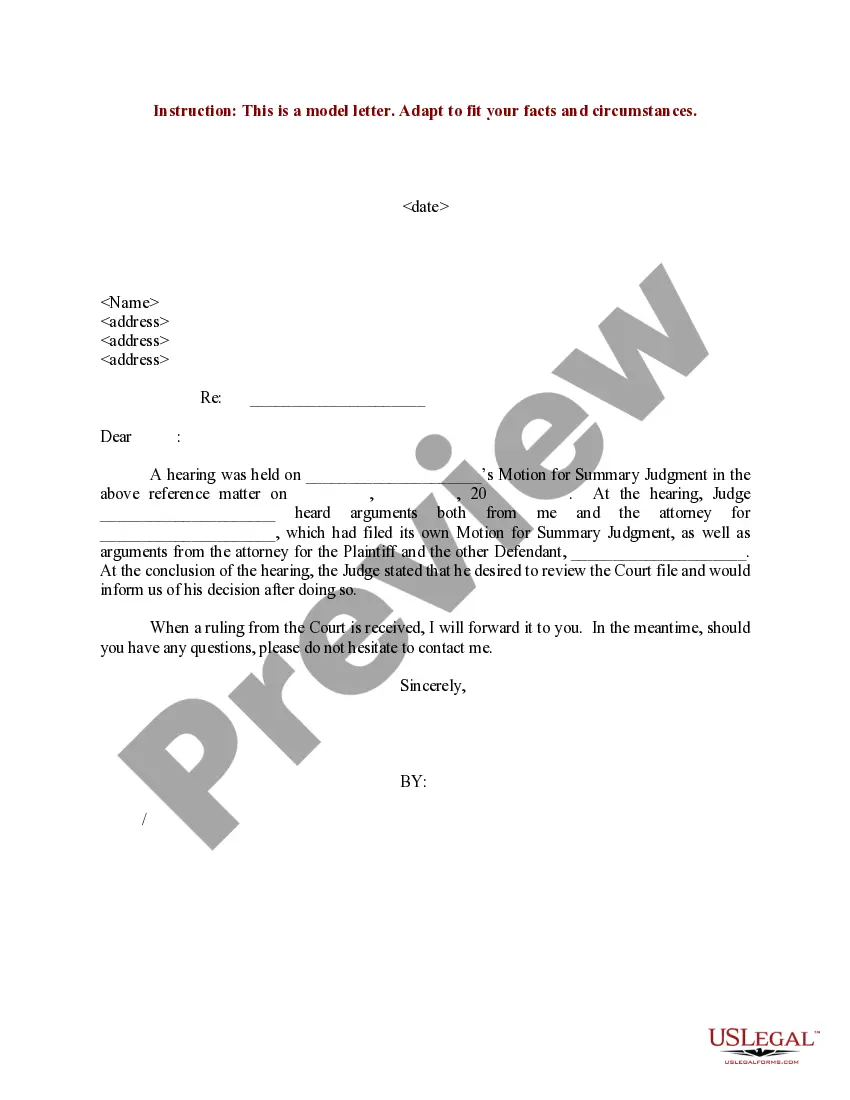
Claim Against Executor Of Estate Without Will In Utah
Description


Get your form ready online
Our built-in tools help you complete, sign, share, and store your documents in one place.
Make edits, fill in missing information, and update formatting in US Legal Forms—just like you would in MS Word.
Download a copy, print it, send it by email, or mail it via USPS—whatever works best for your next step.
Sign and collect signatures with our SignNow integration. Send to multiple recipients, set reminders, and more. Go Premium to unlock E-Sign.
If this form requires notarization, complete it online through a secure video call—no need to meet a notary in person or wait for an appointment.
We protect your documents and personal data by following strict security and privacy standards.

Make edits, fill in missing information, and update formatting in US Legal Forms—just like you would in MS Word.

Download a copy, print it, send it by email, or mail it via USPS—whatever works best for your next step.

Sign and collect signatures with our SignNow integration. Send to multiple recipients, set reminders, and more. Go Premium to unlock E-Sign.

If this form requires notarization, complete it online through a secure video call—no need to meet a notary in person or wait for an appointment.

We protect your documents and personal data by following strict security and privacy standards.
Looking for another form?









Form popularity
FAQ
Probate Process When There's No Will The first step of the probate court is to designate a personal representative to handle the matters of the estate, including the distribution of property and payment of taxes and creditors.
Your spouse will inherit all of your intestate property if you die without descendants, or if all surviving descendants are from you and your surviving spouse. If you have a spouse and no descendants, your spouse will inherit everything.
Probate is required if: the estate includes real property (land, house, inium, mineral rights) of any value, and/or. the estate has assets (other than land, and not including cars) whose net worth is more than $100,000.
Who may file. Anyone may file a probate case. To be appointed the personal representative, an applicant must be at least 21 years old.
(c) a proceeding to contest an informally probated will and to secure appointment of the person with legal priority for appointment in the event the contest is successful, may be commenced within the later of 12 months from the informal probate or three years from the decedent's death.
Property that is held in a revocable trust will avoid probate. However, it is not sufficient to just have a revocable trust. The deceased person's property must be held in it when she dies. Once a person signs a revocable trust, she should immediately transfer her property to the trust.
Under the LRPMA 1934, eligibility very much depends on if the deceased left a Will. If they did, then the Executor of their Estate, named in the Will, is eligible to bring or continue a claim. If the deceased did not leave a Will, then a set list is followed as outlined in the Administration of Estates Act 1945.
If you'd like to file as the executor of an estate with no will, we've outlined 6 steps for you to follow: Find out your place in line. Obtain waivers from other family members. Contact the court. File your administration petition. Go to the probate hearing. Get a probate bond.
There is no set time for an Executor to complete the estate administration process, but there is a deadline when it comes to inheritance tax and an order that must be followed when settling an estate.
Given the magnitude of the responsibilities and the intimacy of the role, you may want to name a close friend or relative as executor, someone who fully understands and respects your wishes, as well as those of your beneficiaries, and who might handle your sentimental heirlooms and other property more sensitively than ...