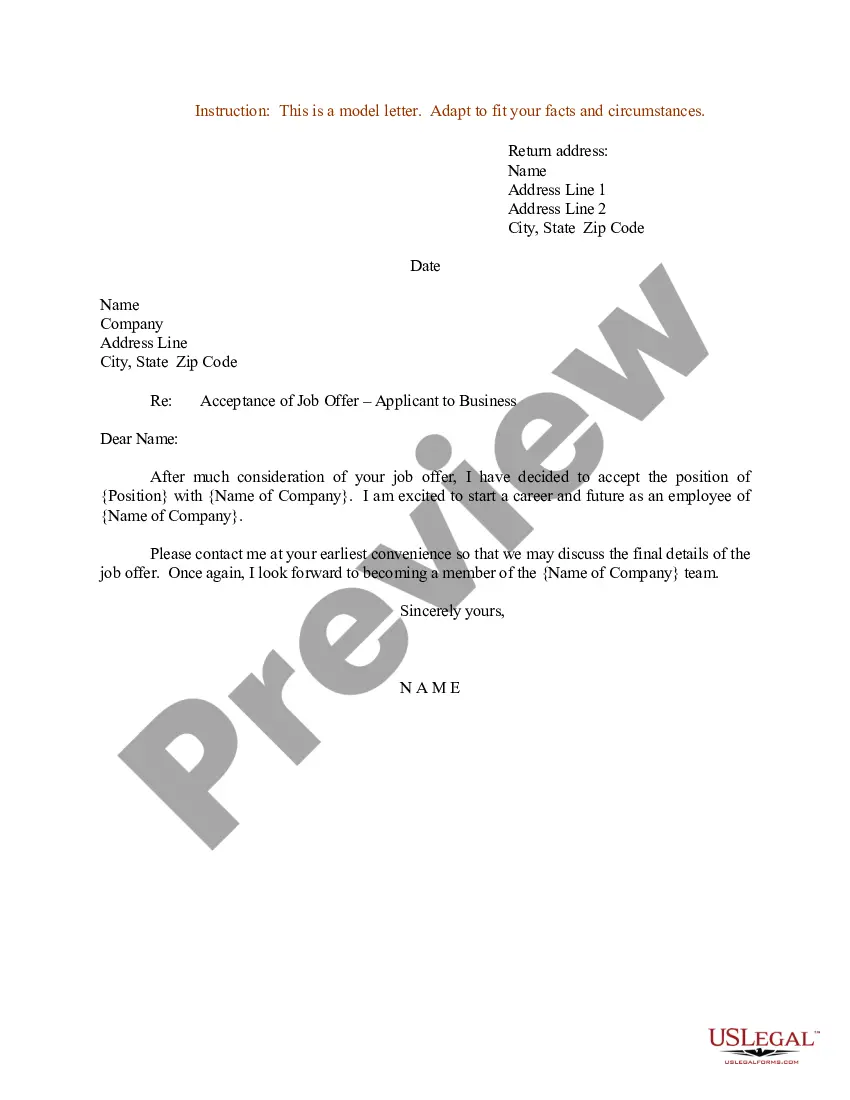
Sample Claim Statement With Case Laws In San Bernardino
Description


Get your form ready online
Our built-in tools help you complete, sign, share, and store your documents in one place.
Make edits, fill in missing information, and update formatting in US Legal Forms—just like you would in MS Word.
Download a copy, print it, send it by email, or mail it via USPS—whatever works best for your next step.
Sign and collect signatures with our SignNow integration. Send to multiple recipients, set reminders, and more. Go Premium to unlock E-Sign.
If this form requires notarization, complete it online through a secure video call—no need to meet a notary in person or wait for an appointment.
We protect your documents and personal data by following strict security and privacy standards.

Make edits, fill in missing information, and update formatting in US Legal Forms—just like you would in MS Word.

Download a copy, print it, send it by email, or mail it via USPS—whatever works best for your next step.

Sign and collect signatures with our SignNow integration. Send to multiple recipients, set reminders, and more. Go Premium to unlock E-Sign.

If this form requires notarization, complete it online through a secure video call—no need to meet a notary in person or wait for an appointment.

We protect your documents and personal data by following strict security and privacy standards.
Looking for another form?



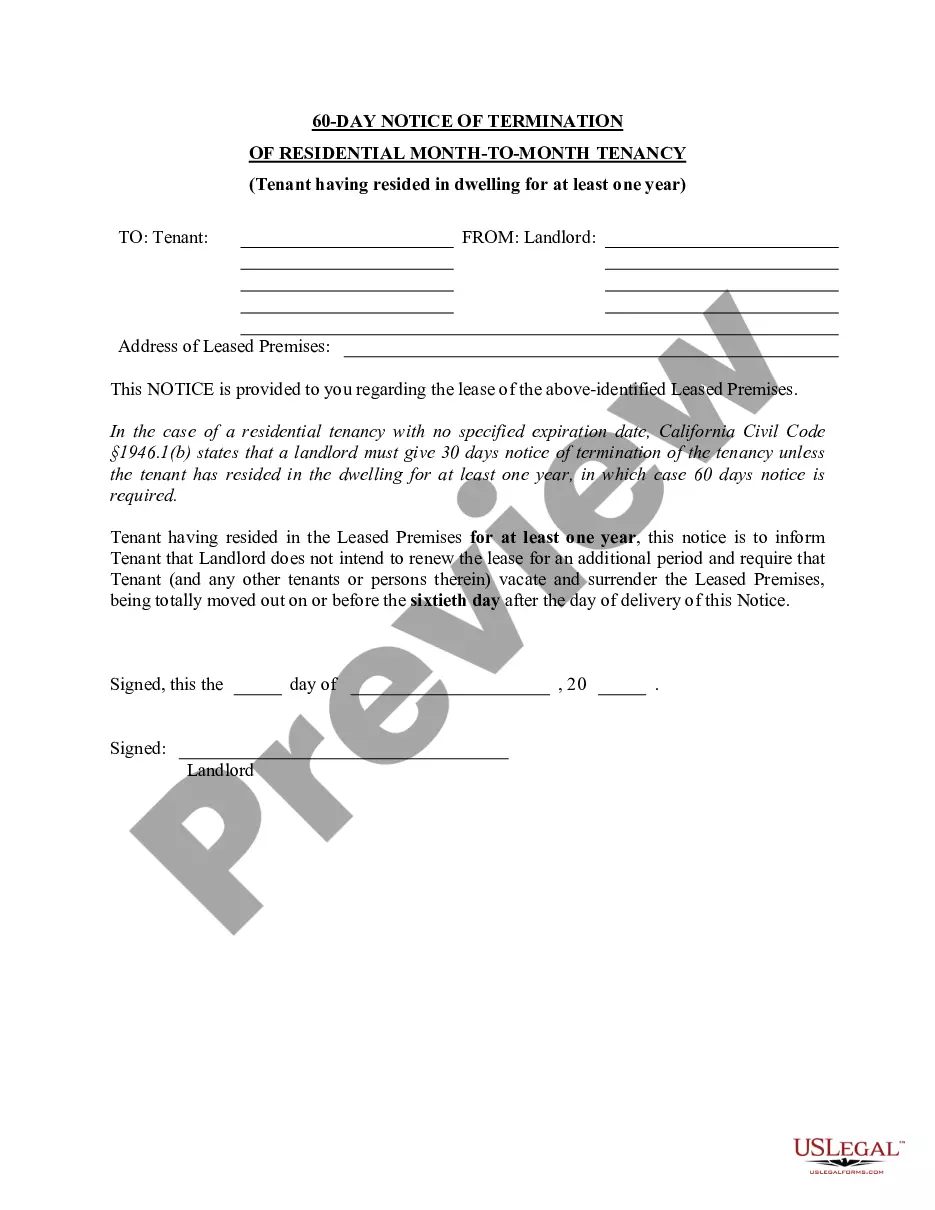


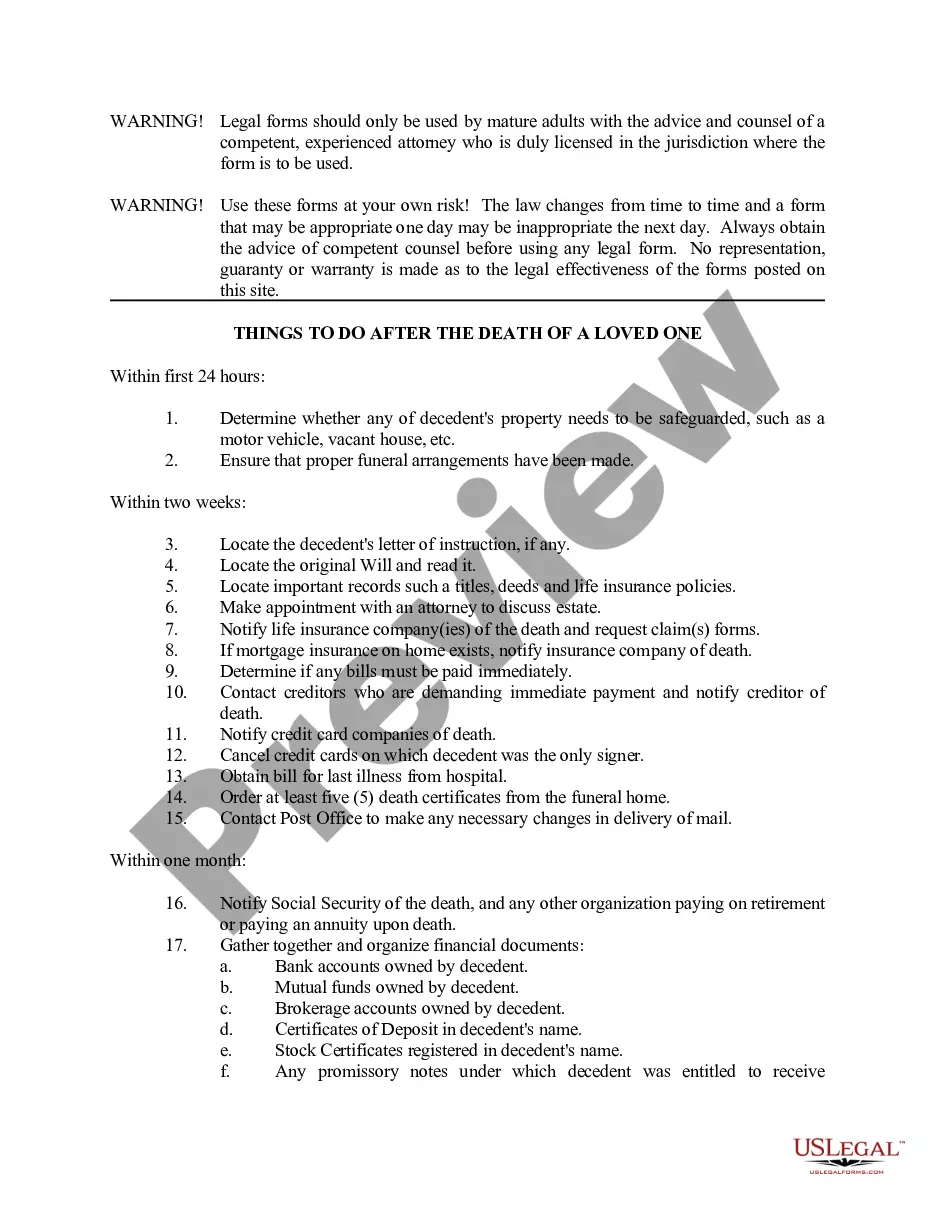
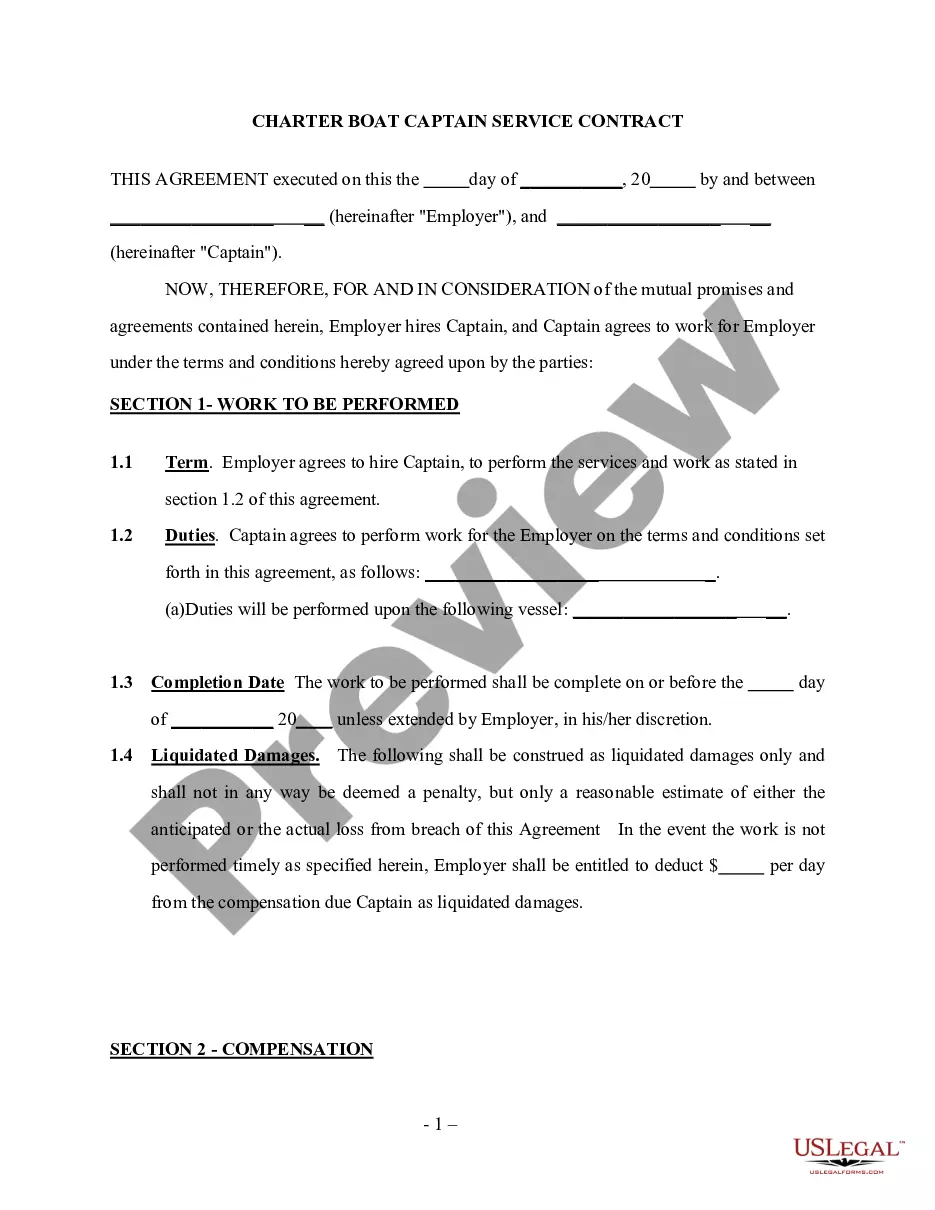
Form popularity
FAQ
Proof of Personal Service (FL-330) The FL-330 is used when legal documents are physically handed to the recipient. This method is commonly employed in cases where ensuring the other party receives the documents in person is essential, such as divorce filings, child custody matters, or support orders.
A San Bernardino County court records search can be conducted at any of the listed places: The San Bernardino Superior Court clerk's office. A clerk's office in any court where the case filing took place. Public access terminals at the courthouse. Remote access portals maintained by the Superior court.
Conclusion: Going to small claims court may be worth it for $500, but it will determine how you weigh your costs versus benefits. At a minimum, it is worth it to send a demand letter.
Don't say you expect to recover any more than £10,000 - if you do, your case won't be treated as a small claim. If you're making a claim for something your landlord hasn't repaired, the maximum amount you can get in a small claims case is £1,000.
In general, claims are limited to disputes up to $5,000. However, natural persons (individuals) can claim up to $10,000. Corporations, partnerships, unincorporated associations, governmental bodies, and other legal entities cannot claim more than $5,000.
Social Issues: San Bernardino faces various social challenges, including homelessness, substance abuse, and a lack of access to quality education and healthcare. These issues contribute to a cycle of poverty and crime.
In general, a natural person (an individual) cannot ask for more than $12,500 in a claim. Businesses and other entities (like government entities) cannot ask for more than $6,250.
You start your case by filling out an SC-100 Plaintiff's Claim form and filing it with the court clerk. Be sure you name the Defendant correctly or you may not be able to collect your judgment.
Dial 888-882-6878 or visit the CourtCall website at urtcall to schedule a remote appearance for matters scheduled on participating calendars.
There are many reasons to appeal a criminal conviction, but the three most common reasons for appeal are for ineffective assistance of counsel, evidentiary issues during trial, and plain error committed by the trial court.