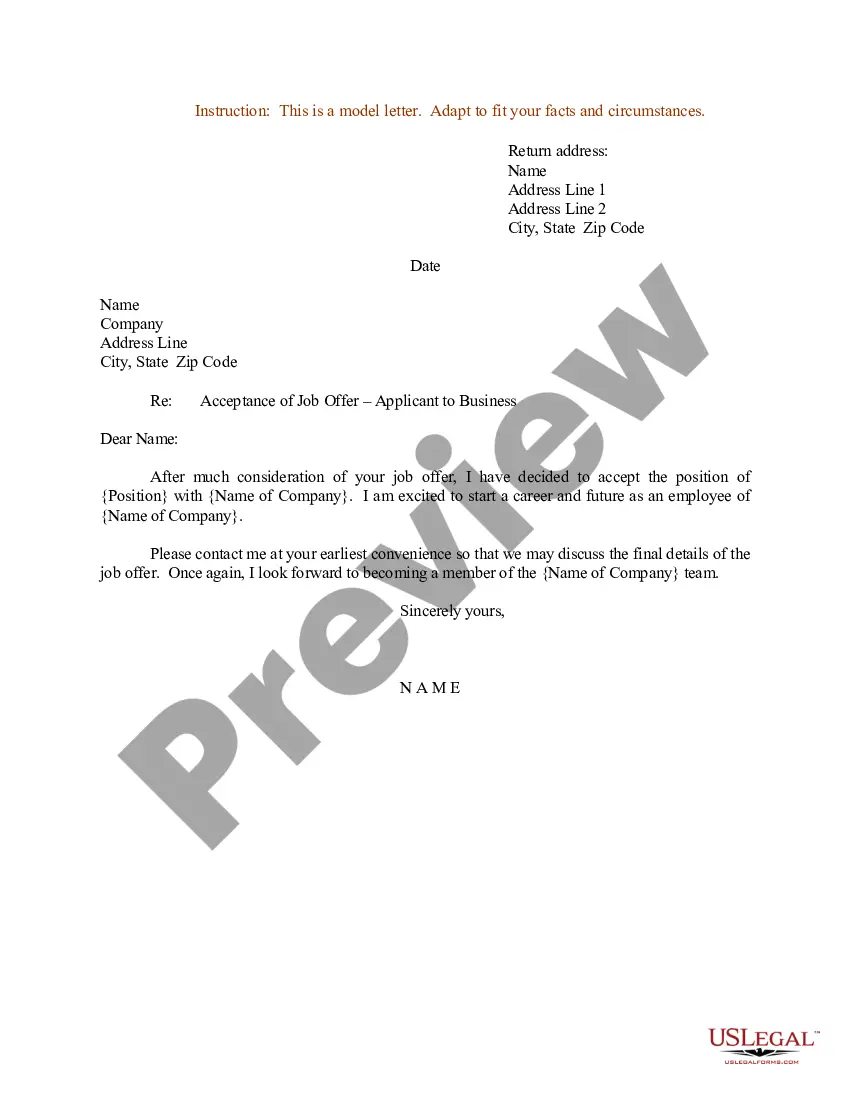
Sample Claim Statement With Defamation In Oakland
Description


Get your form ready online
Our built-in tools help you complete, sign, share, and store your documents in one place.
Make edits, fill in missing information, and update formatting in US Legal Forms—just like you would in MS Word.
Download a copy, print it, send it by email, or mail it via USPS—whatever works best for your next step.
Sign and collect signatures with our SignNow integration. Send to multiple recipients, set reminders, and more. Go Premium to unlock E-Sign.
If this form requires notarization, complete it online through a secure video call—no need to meet a notary in person or wait for an appointment.
We protect your documents and personal data by following strict security and privacy standards.

Make edits, fill in missing information, and update formatting in US Legal Forms—just like you would in MS Word.

Download a copy, print it, send it by email, or mail it via USPS—whatever works best for your next step.

Sign and collect signatures with our SignNow integration. Send to multiple recipients, set reminders, and more. Go Premium to unlock E-Sign.

If this form requires notarization, complete it online through a secure video call—no need to meet a notary in person or wait for an appointment.

We protect your documents and personal data by following strict security and privacy standards.
Looking for another form?

Form popularity
FAQ
A defamatory statement must be an assertion of fact, not an opinion. For example, if your boss says that you are not a very nice person, then that statement is likely to be an opinion. On the other hand, if your boss says you have been stealing from the company, that is a statement of fact, not opinion.
Defamatory words — that is, words which defame — are words that can cause real damage. If someone said you were a secret unicorn hunter, that would be a silly, not defamatory, lie. If someone said you were a thief or a traitor, and you weren't, that would be defamatory.
An effective defamation cease and desist letter will usually begin with a clear and factual introduction of the involved parties. Following this, the letter should present the facts in a chronological order, beginning with the earliest incident and progressing through subsequent events.
If you decide to do it alone, your letter should state the specific defamatory statements made, confirm that they are defamatory, indicate the reputational harm caused, demand an apology and retraction of those statements, and demand that they cease making further statements failing which you will sue them.
To damage the reputation of a person or group by saying or writing bad things about them that are not true: Mr Turnock claimed the editorial had defamed him.
To prove prima facie defamation, a plaintiff must show four things: 1) a false statement purporting to be fact; 2) publication or communication of that statement to a third person; 3) fault amounting to at least negligence ; and 4) damages , or some harm caused to the reputation of the person or entity who is the ...
Defamation is an invasion of the interest in reputation. It may be libel or slander. (California Civil section 44; herein, “Civ. Code § __.”) The tort involves (a) a publication that is (b) false, (c) defamatory, and (d) unprivileged, and that (e) has a natural tendency to injure or that causes special damage.
Truth, or substantial truth, is a complete defense to a claim of defamation.
Address It Directly: If appropriate, consider confronting the person spreading the slander. Approach them calmly and express how their words have affected you. Sometimes, a direct conversation can resolve misunderstandings. Seek Support: Talk to trusted friends, family, or colleagues about the situation.