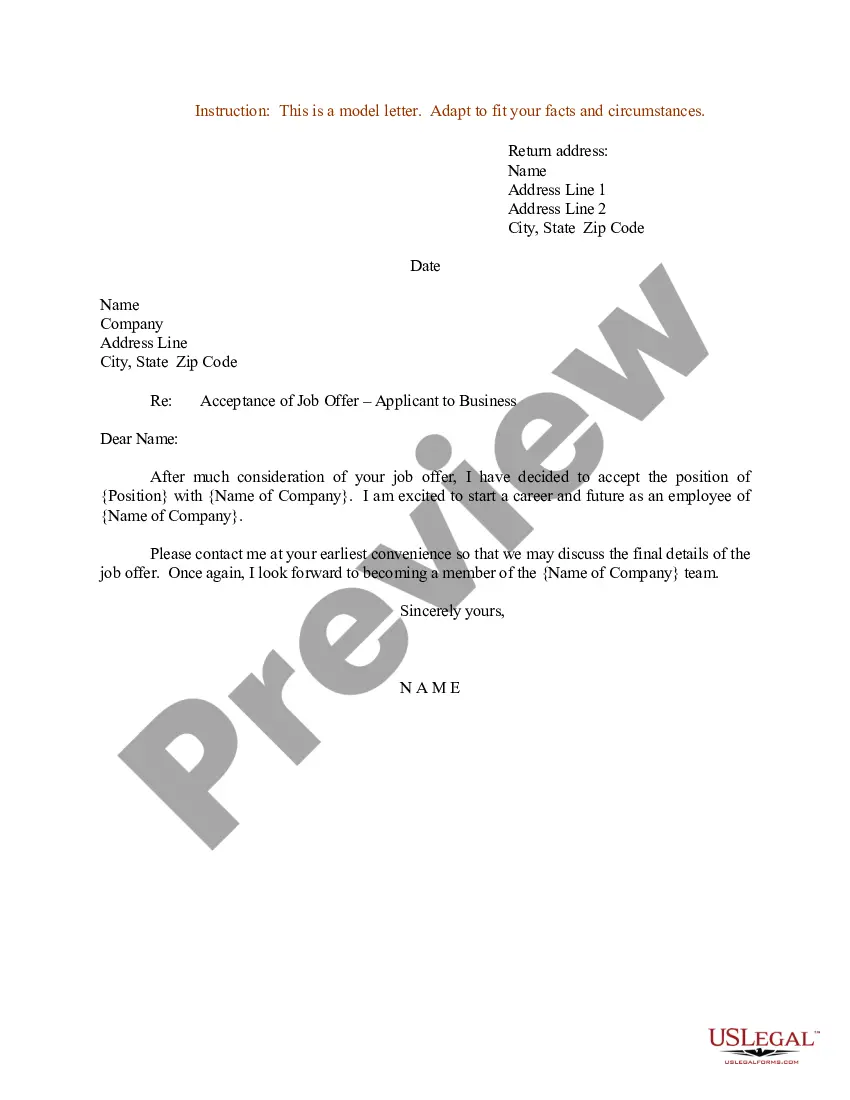
Sample Claim Statement With Example In North Carolina
Description


Get your form ready online
Our built-in tools help you complete, sign, share, and store your documents in one place.
Make edits, fill in missing information, and update formatting in US Legal Forms—just like you would in MS Word.
Download a copy, print it, send it by email, or mail it via USPS—whatever works best for your next step.
Sign and collect signatures with our SignNow integration. Send to multiple recipients, set reminders, and more. Go Premium to unlock E-Sign.
If this form requires notarization, complete it online through a secure video call—no need to meet a notary in person or wait for an appointment.
We protect your documents and personal data by following strict security and privacy standards.

Make edits, fill in missing information, and update formatting in US Legal Forms—just like you would in MS Word.

Download a copy, print it, send it by email, or mail it via USPS—whatever works best for your next step.

Sign and collect signatures with our SignNow integration. Send to multiple recipients, set reminders, and more. Go Premium to unlock E-Sign.

If this form requires notarization, complete it online through a secure video call—no need to meet a notary in person or wait for an appointment.

We protect your documents and personal data by following strict security and privacy standards.
Looking for another form?






Form popularity
FAQ
Do I have to hire an attorney for a lawsuit? People can represent themselves (known as proceeding “pro se”), but this can be difficult, especially in complex cases. If you choose to represent yourself, you will be held to the same rules of evidence and procedure as a licensed attorney.
A claim and delivery is a legal action to recover personal property which is in the possession of another party. The party who begins the action is the plaintiff. The party who has possession of the property claimed is the defendant.
You are required to file your Answer with the Clerk of Court and send a copy to the Plaintiff. You may serve your Answer by delivering a copy to the Plaintiff or by mailing it to the Plaintiff's last known address.
L. Excessive standing water, sewage, or flooding problems caused by plumbing leaks or inadequate drainage that contribute to mosquito infestation or mold.
After judgment is given in Small Claims Court, both the plaintiff and the defendant have the right to appeal the Magistrate's decision. An appeal allows either side to get a new trial in District Court. This means you will have to present your evidence and witnesses again.
Tenants can only be evicted by the Sheriff's Office, and only after the Court has entered a judgment against them and the Clerk issues a “Writ of Possession.” Normally, the eviction process takes about 3 weeks.