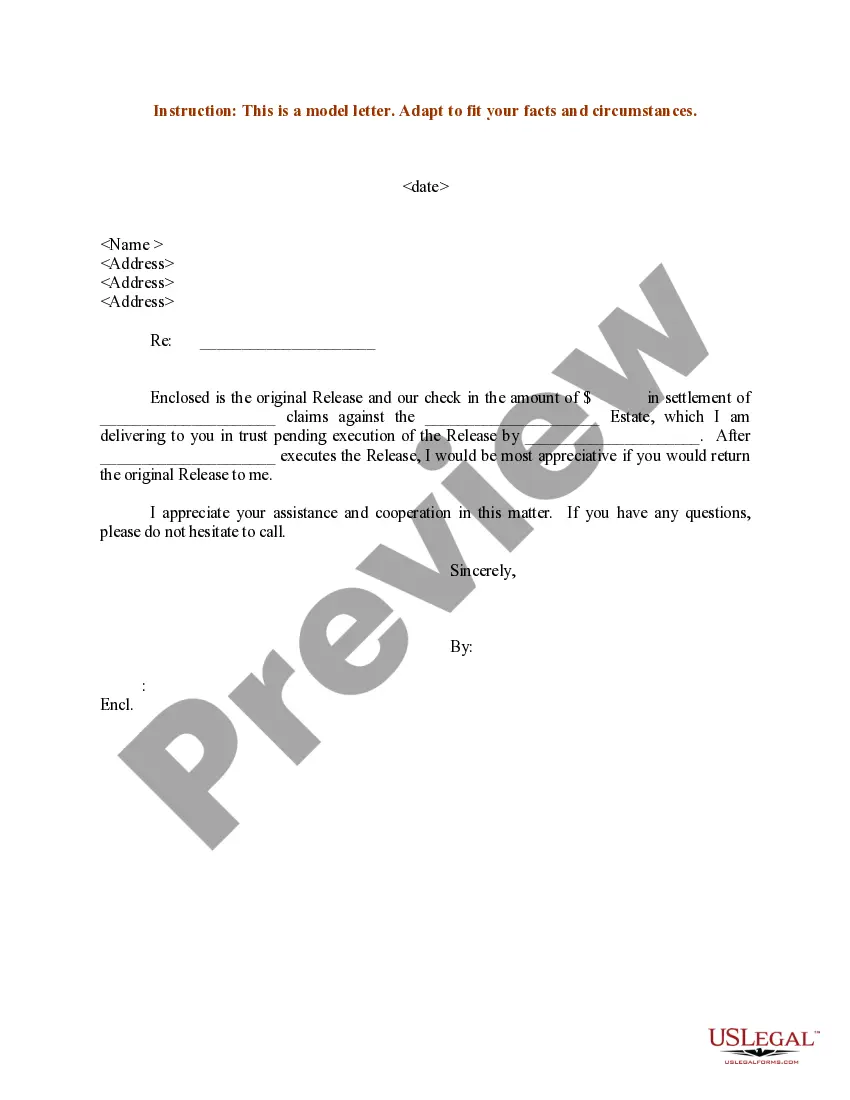
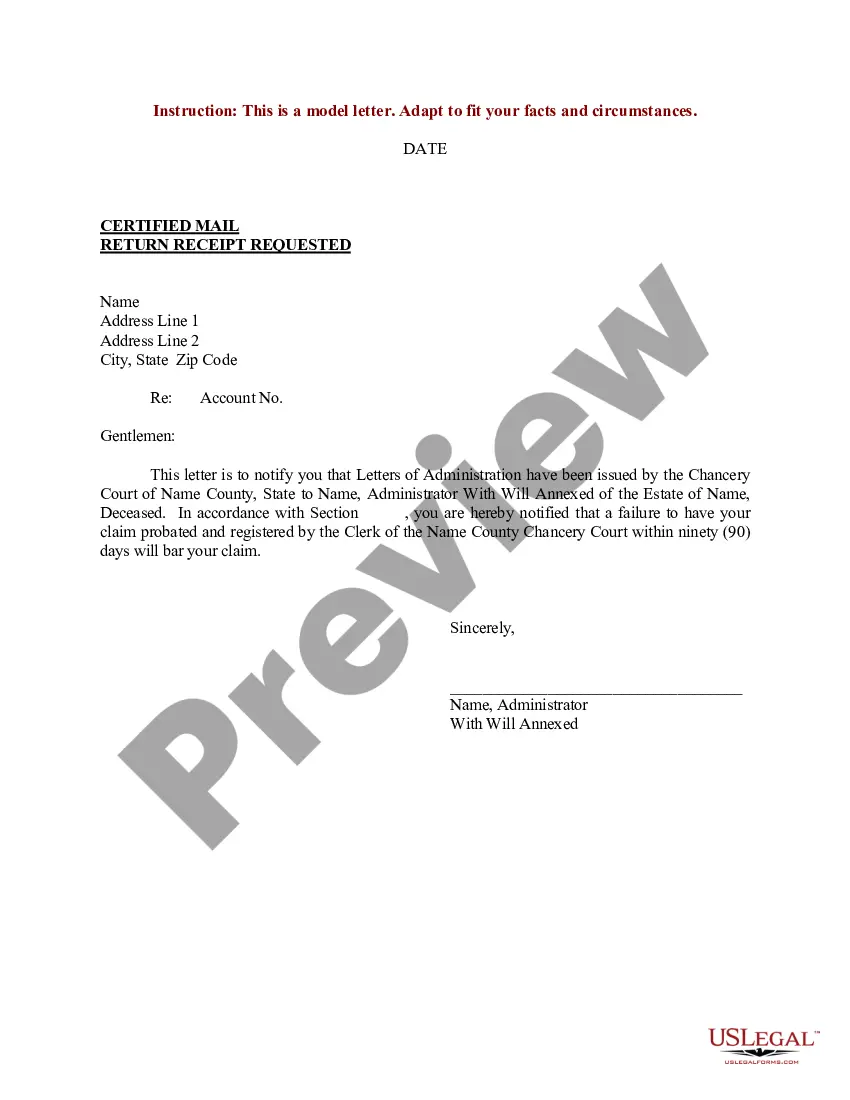
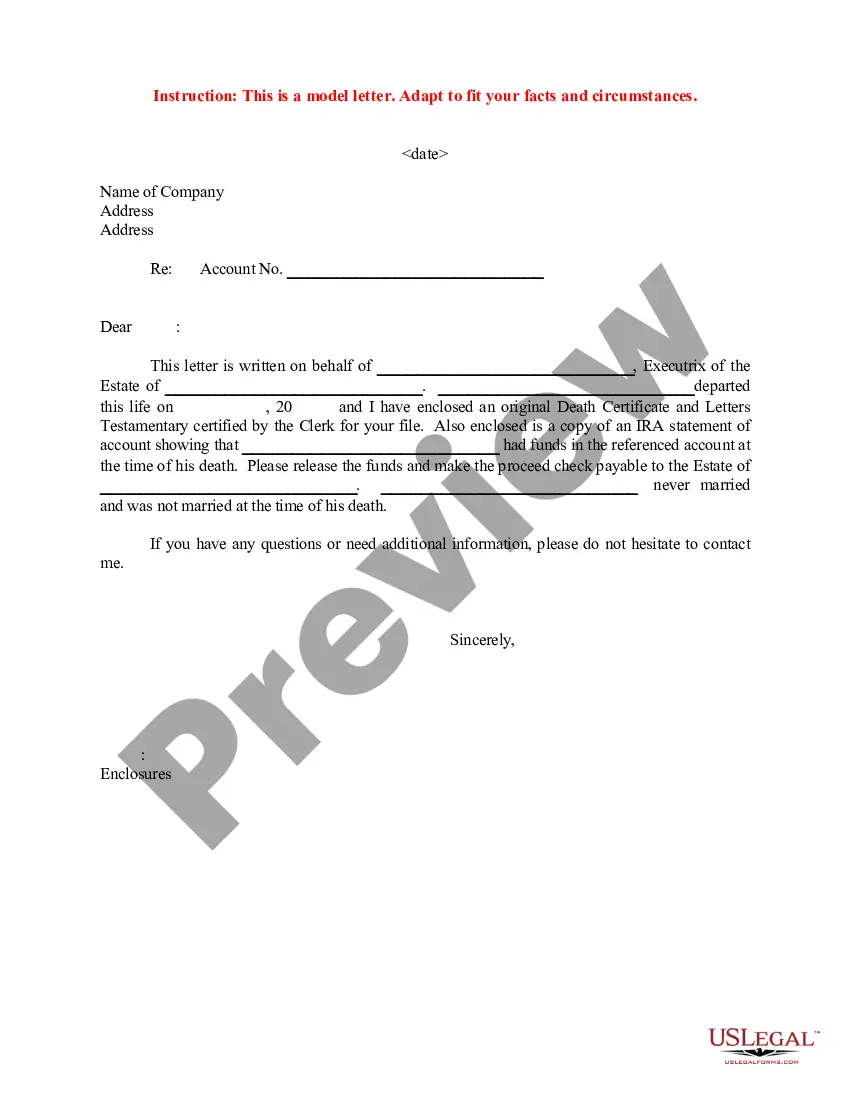
Executor Of Estate Form After Death For Become In Nassau
Description
Get your form ready online
Our built-in tools help you complete, sign, share, and store your documents in one place.
Make edits, fill in missing information, and update formatting in US Legal Forms—just like you would in MS Word.
Download a copy, print it, send it by email, or mail it via USPS—whatever works best for your next step.
Sign and collect signatures with our SignNow integration. Send to multiple recipients, set reminders, and more. Go Premium to unlock E-Sign.
If this form requires notarization, complete it online through a secure video call—no need to meet a notary in person or wait for an appointment.
We protect your documents and personal data by following strict security and privacy standards.

Make edits, fill in missing information, and update formatting in US Legal Forms—just like you would in MS Word.

Download a copy, print it, send it by email, or mail it via USPS—whatever works best for your next step.

Sign and collect signatures with our SignNow integration. Send to multiple recipients, set reminders, and more. Go Premium to unlock E-Sign.

If this form requires notarization, complete it online through a secure video call—no need to meet a notary in person or wait for an appointment.

We protect your documents and personal data by following strict security and privacy standards.
Looking for another form?
Form popularity
FAQ
Dying without a will is also called dying intestate. If an intestate person leaves behind a living spouse, the spouse will receive all of the estate's assets. If the intestate person has a spouse and a child or children, the spouse receives half of the estate and the children share the other half equally.
WHEN MUST A WILL BE FILED FOR PROBATE? To be effective, a Will must be filed for probate within five years of the date of the testator's death.
How long does probate take in The Bahamas? Probate typically takes 4-6 months to complete from the date of submission of the application, depending on your estate's complexity. However, it can take up to two years or more if you have complicated assets or significant debts.
If you weren't named executor in a will, you'd need to file a Letter of Administration with your state's probate court. The court will ask questions about you and your relationship with the deceased. The court will either appoint you as executor or appoint someone else.
The actual process is that the executor submits a petition for probate, and then the court gives Letters Testamentary to the executor. Letters Testamentary are official court documents that bestow the authority to act on behalf of the decedent's estate.
How long does probate take in The Bahamas? Probate typically takes 4-6 months to complete from the date of submission of the application, depending on your estate's complexity. However, it can take up to two years or more if you have complicated assets or significant debts.
Straightforward estates are often wound up in less than 6 months. Others can take more than a year. It depends on: the complexity of the Will.
Understanding the Deceased Estate 3-Year Rule The core premise of the 3-year rule is that if the deceased's estate is not claimed or administered within three years of their death, the state or governing body may step in and take control of the distribution and management of the assets.
The time an executor has to settle an estate in Australia varies depending on the size and complexity of the estate. Generally speaking, an executor will have up to 12 months to settle an estate.
If an executor passes away before completing the probate process, the circumstances and local jurisdiction laws determine the next steps. Typically, the court has the authority to appoint a new executor to manage the estate, preferably an alternate executor if named in the will.