Estate Claim Form For California In Minnesota
Description


Get your form ready online
Our built-in tools help you complete, sign, share, and store your documents in one place.
Make edits, fill in missing information, and update formatting in US Legal Forms—just like you would in MS Word.
Download a copy, print it, send it by email, or mail it via USPS—whatever works best for your next step.
Sign and collect signatures with our SignNow integration. Send to multiple recipients, set reminders, and more. Go Premium to unlock E-Sign.
If this form requires notarization, complete it online through a secure video call—no need to meet a notary in person or wait for an appointment.
We protect your documents and personal data by following strict security and privacy standards.

Make edits, fill in missing information, and update formatting in US Legal Forms—just like you would in MS Word.

Download a copy, print it, send it by email, or mail it via USPS—whatever works best for your next step.

Sign and collect signatures with our SignNow integration. Send to multiple recipients, set reminders, and more. Go Premium to unlock E-Sign.

If this form requires notarization, complete it online through a secure video call—no need to meet a notary in person or wait for an appointment.

We protect your documents and personal data by following strict security and privacy standards.
Looking for another form?
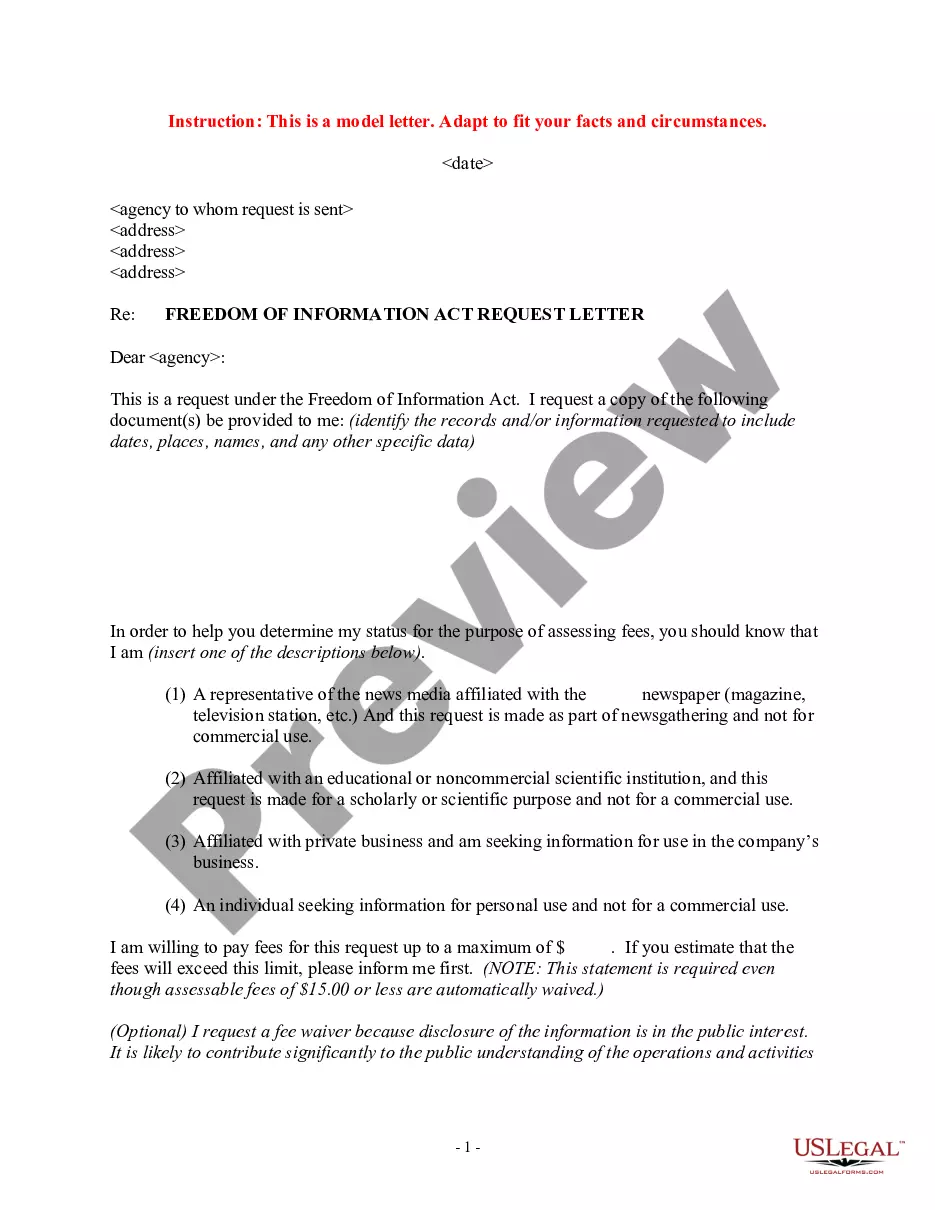

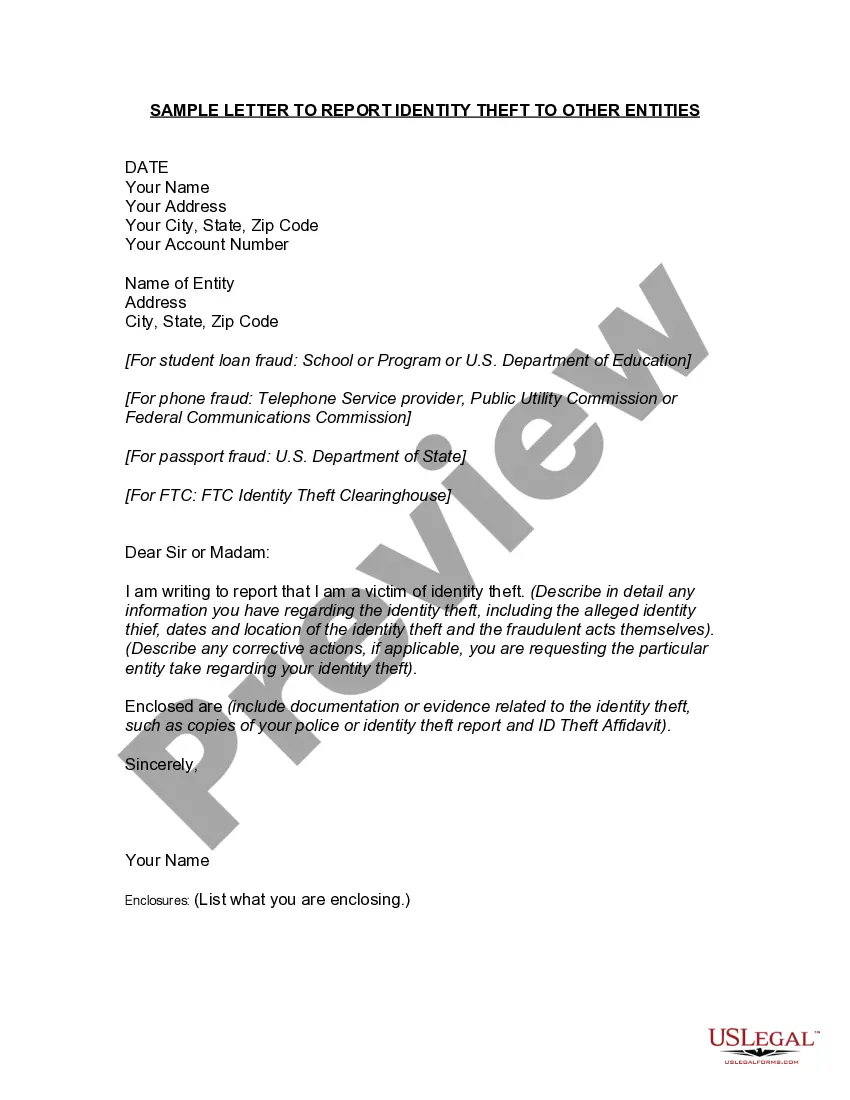
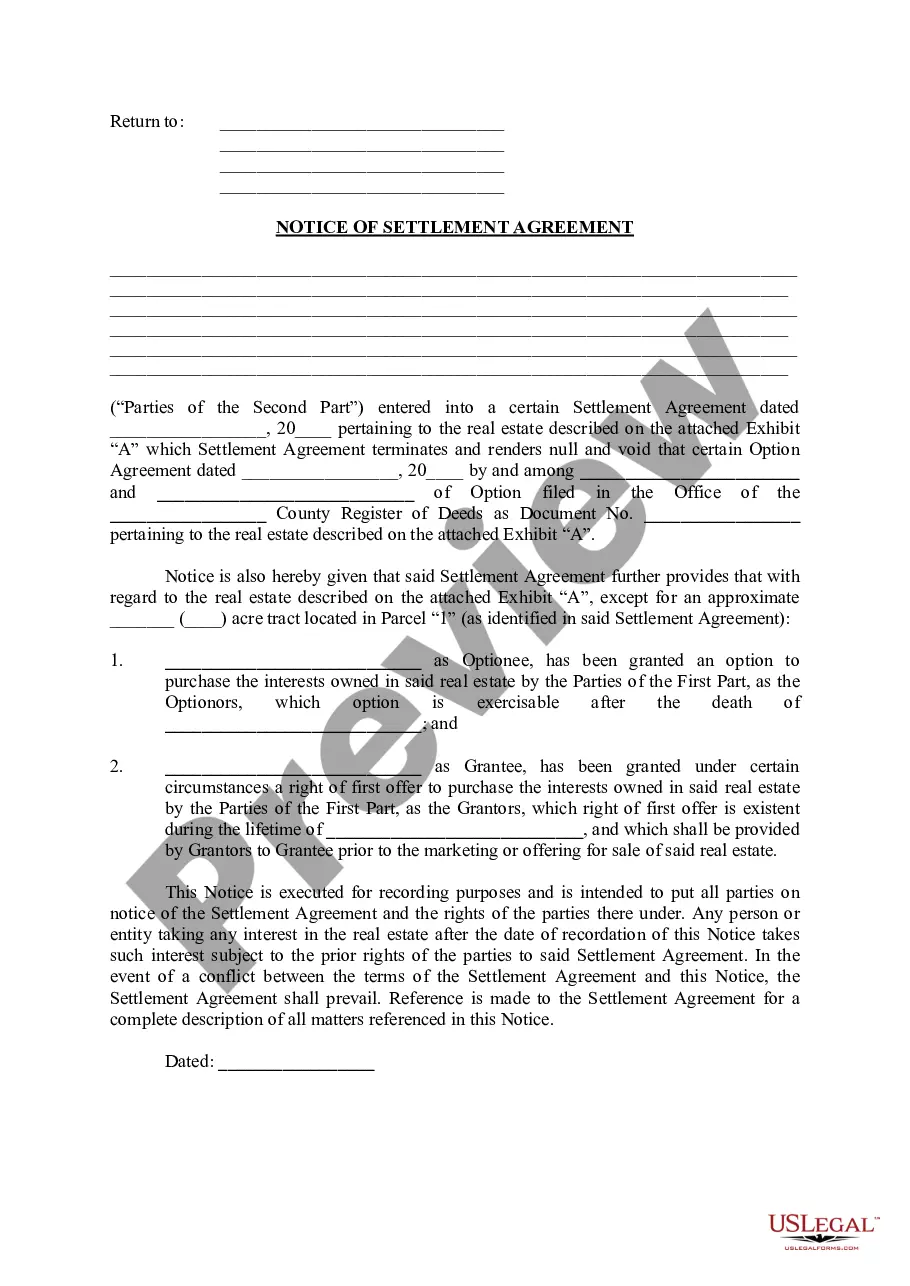
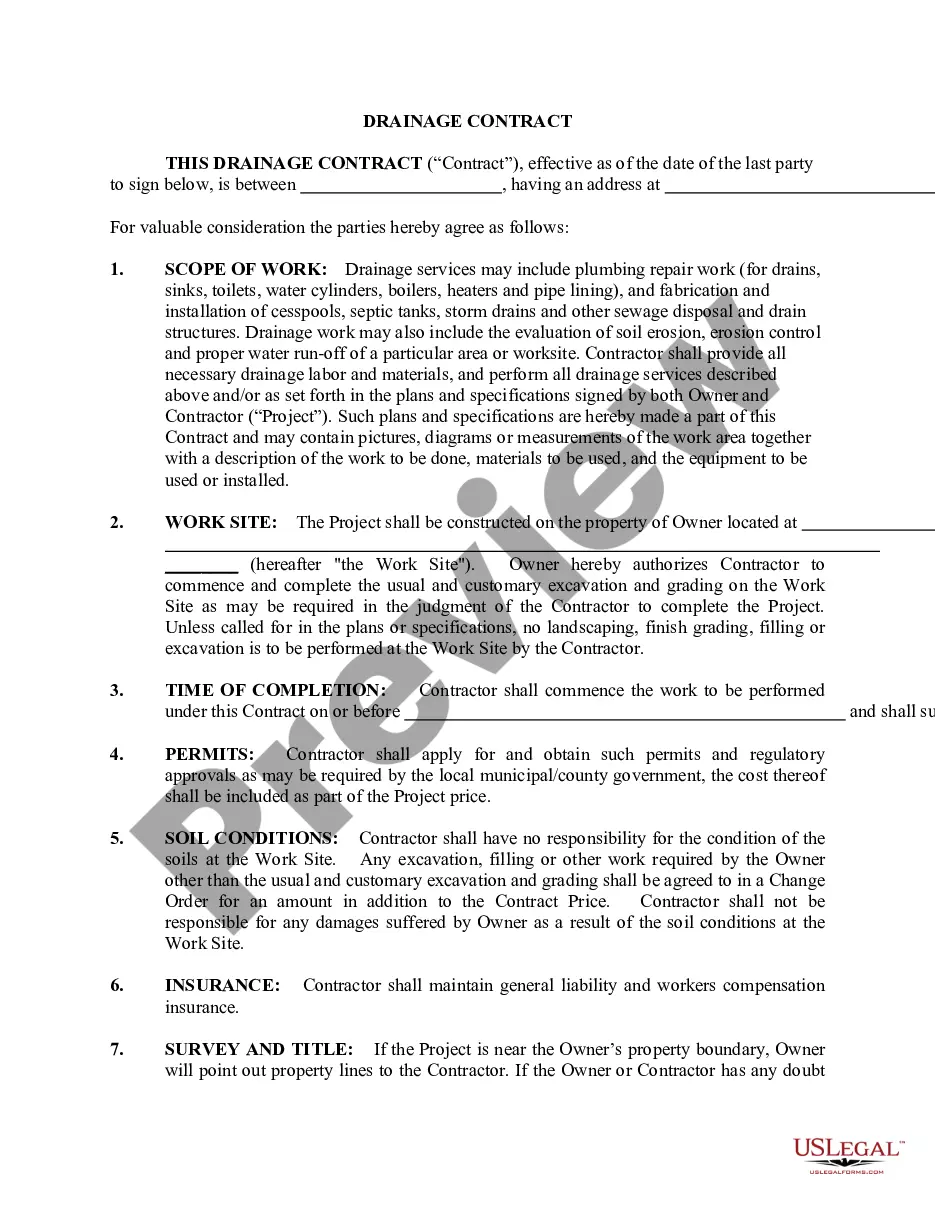

Form popularity
FAQ
In California, smaller estates can avoid going through probate. Currently, a deceased person's estate is only required to go through probate if the estate property is worth over $166,250. If the total value of estate assets is $166,250 or less, the estate may qualify for a non-formal probate case.
Overview of a probate case Open a case. You (the person who starts the case) are called the “petitioner." You must file forms with the court to “open probate.” You file a Petition for Probate (form DE-111) along with other court forms. Administer the estate. Close the estate.
Can I Do Probate on My Own, Without an Attorney? It's entirely possible to complete all the steps of probate on your own, without an attorney representing you.
Heirs may not take your personal property until 30 days after your death. If your personal property exceeds $75,000 or you own real estate in your name alone, your estate must be probated.
(1) The claimant may deliver or mail to the personal representative a written statement of the claim indicating its basis, the name and address of the claimant, and the amount claimed, or may file a written statement of the claim, in the form prescribed by rule, with the court administrator.
California is one of the 38 states that does not have an estate tax. However there are other taxes that may apply to your wealth and property after you die.
Minnesota law does not set a specific timeline for settling an estate, but it generally should be done as "expeditiously and efficiently as is compatible with the best interests of the estate." Delays can result in additional expenses and even legal repercussions for the executor.
(3) within one year after the decedent's death, whether or not notice to creditors has been published or served under section 524.3-801. Claims authorized by section 246.53, 256B. 15, or 256D. 16 must not be barred after one year as provided in this clause.
