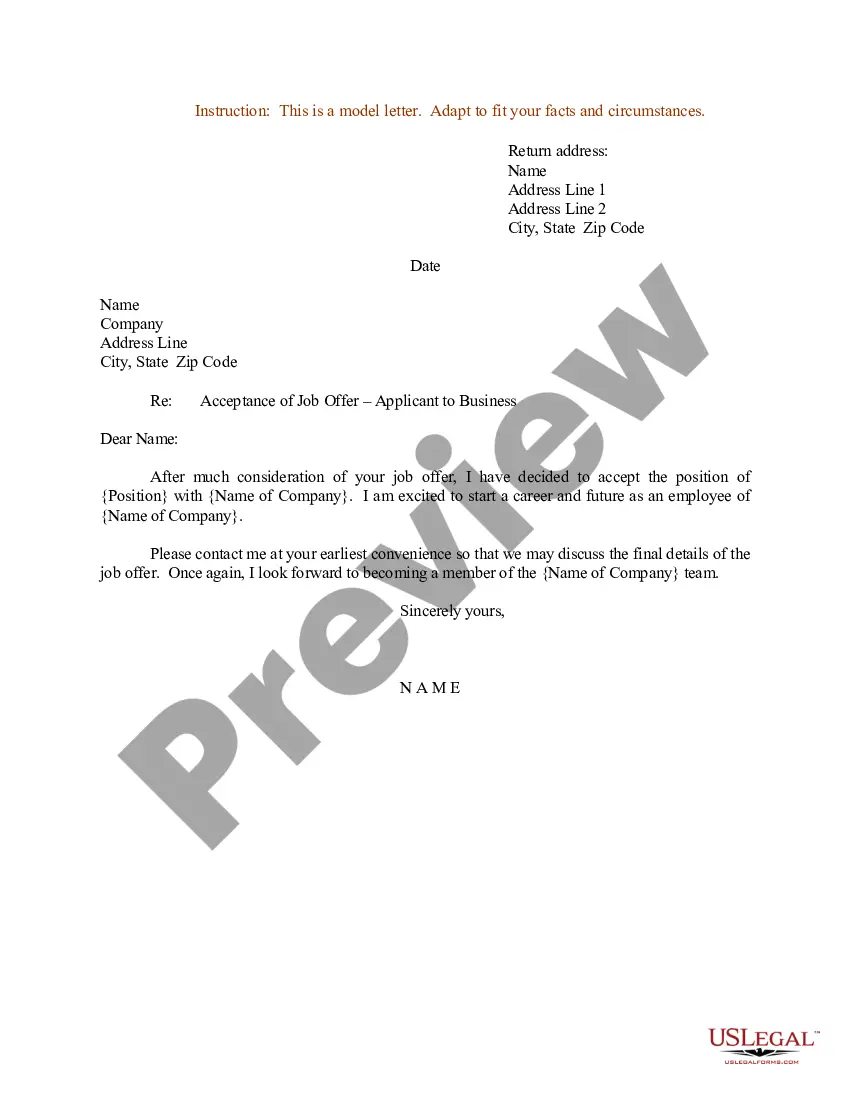
Sample Claim Statement With Defamation In Houston
Description


Get your form ready online
Our built-in tools help you complete, sign, share, and store your documents in one place.
Make edits, fill in missing information, and update formatting in US Legal Forms—just like you would in MS Word.
Download a copy, print it, send it by email, or mail it via USPS—whatever works best for your next step.
Sign and collect signatures with our SignNow integration. Send to multiple recipients, set reminders, and more. Go Premium to unlock E-Sign.
If this form requires notarization, complete it online through a secure video call—no need to meet a notary in person or wait for an appointment.
We protect your documents and personal data by following strict security and privacy standards.

Make edits, fill in missing information, and update formatting in US Legal Forms—just like you would in MS Word.

Download a copy, print it, send it by email, or mail it via USPS—whatever works best for your next step.

Sign and collect signatures with our SignNow integration. Send to multiple recipients, set reminders, and more. Go Premium to unlock E-Sign.

If this form requires notarization, complete it online through a secure video call—no need to meet a notary in person or wait for an appointment.

We protect your documents and personal data by following strict security and privacy standards.
Looking for another form?








Form popularity
FAQ
To prove prima facie defamation, a plaintiff must show four things: 1) a false statement purporting to be fact; 2) publication or communication of that statement to a third person; 3) fault amounting to at least negligence ; and 4) damages , or some harm caused to the reputation of the person or entity who is the ...
I am writing because you recently made defamatory statements about me my company my company and me. I ask that you immediately retract these statements. On date, you summarize what recipient did that is defamatory.
An effective defamation cease and desist letter will usually begin with a clear and factual introduction of the involved parties. Following this, the letter should present the facts in a chronological order, beginning with the earliest incident and progressing through subsequent events.
Your letter should ideally state the specific defamatory statement, the reasons why it is untrue, and the damage you're suffering. Also, give the recipient a deadline by which they must retract their statements before you will need to take legal action.
A defamatory statement must be an assertion of fact, not an opinion. For example, if your boss says that you are not a very nice person, then that statement is likely to be an opinion. On the other hand, if your boss says you have been stealing from the company, that is a statement of fact, not opinion.
The elements necessary to establish defamation at the workplace include: A false, defamatory statement about an employee. The unauthorized publication or communication of such statement to a third party. Fault on part of the individual who made the statement, either intentional or at least negligent.
A defamatory statement must be an assertion of fact, not an opinion. For example, if your boss says that you are not a very nice person, then that statement is likely to be an opinion. On the other hand, if your boss says you have been stealing from the company, that is a statement of fact, not opinion.
He has launched a defamation suit to refute this. He won a defamation lawsuit over the slur. The legal position on social media defamation is unclear.
Examples of slander in a Sentence Verb She was accused of slandering her former boss. Noun She is being sued for slander. He was a target of slander.