Claim Against Estate Document Format In Houston
Description


Get your form ready online
Our built-in tools help you complete, sign, share, and store your documents in one place.
Make edits, fill in missing information, and update formatting in US Legal Forms—just like you would in MS Word.
Download a copy, print it, send it by email, or mail it via USPS—whatever works best for your next step.
Sign and collect signatures with our SignNow integration. Send to multiple recipients, set reminders, and more. Go Premium to unlock E-Sign.
If this form requires notarization, complete it online through a secure video call—no need to meet a notary in person or wait for an appointment.
We protect your documents and personal data by following strict security and privacy standards.

Make edits, fill in missing information, and update formatting in US Legal Forms—just like you would in MS Word.

Download a copy, print it, send it by email, or mail it via USPS—whatever works best for your next step.

Sign and collect signatures with our SignNow integration. Send to multiple recipients, set reminders, and more. Go Premium to unlock E-Sign.

If this form requires notarization, complete it online through a secure video call—no need to meet a notary in person or wait for an appointment.

We protect your documents and personal data by following strict security and privacy standards.
Looking for another form?





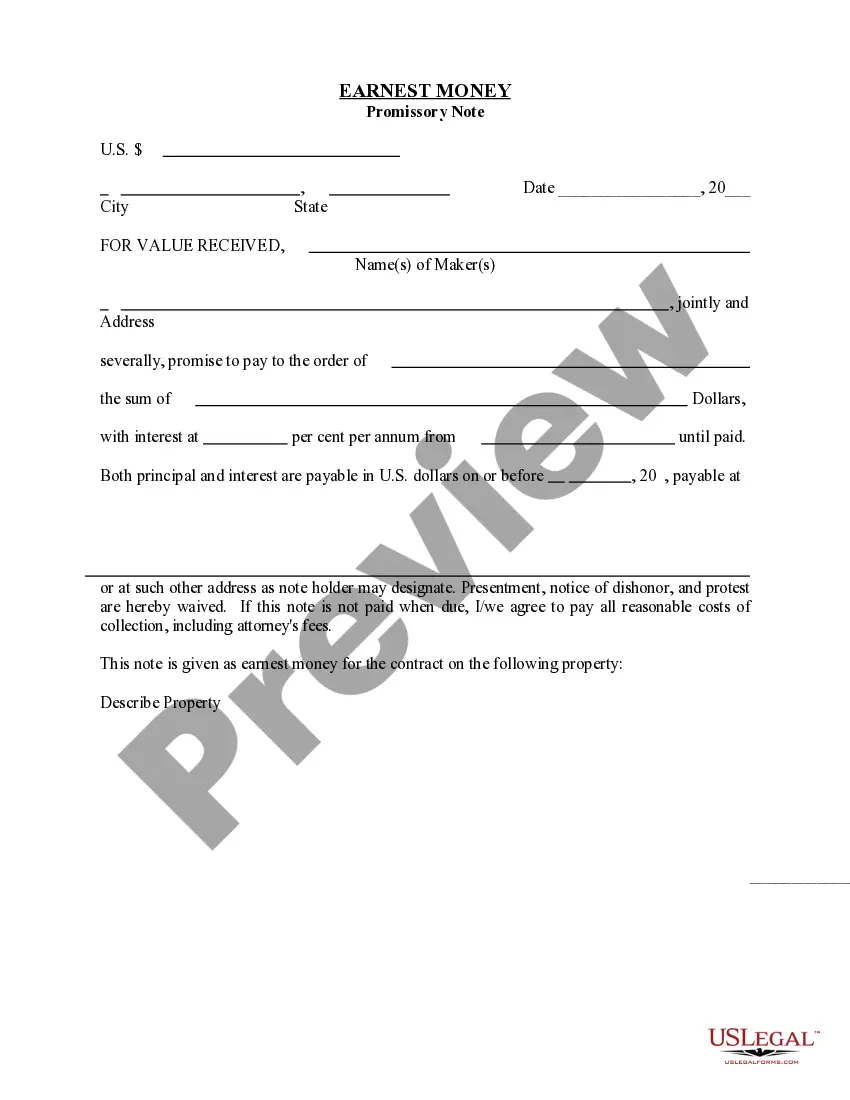


Form popularity
FAQ
The form must include: The witnesses' names and addresses. Relationships to the decedent. Decedent's date of death. Decedent's marital history. Decedent's family history (children, grandchildren, parents, siblings, nieces/nephews)
Two Years. Basic Rule: In general, a Texas will contest must be filed within two years from the date the will is admitted to probate, not two years from death.
In Texas, the statute of limitations for claims against an estate is generally two years from the date of the decedent's death. This means that any claims must be filed within this time frame to be valid.
Probate, General Forms Affidavit Template for After Four Years (PDF) Affidavit Template for Copy of Will (PDF) Agreement as to the Advisability of Independent Administration (DOCX) Complete Small Estate Affidavit (PDF) Exhibit List (PDF) Motion and Order for Release of Funds from Registry (PDF)
California Probate Codes on Suing an Estate Probate Code 551 allows for filing a lawsuit within 40 days with an additional year if the injured person was unaware of the defendant's demise.
Intestate Succession: Dying Without a Will in Texas The statutory timelines for intestate succession are as follows: 4 years from the date of death to determine heirs and distribute property. Exceptions allow more time in certain cases involving legal disability, litigation, or efforts to locate missing heirs.
If a creditor wishes to file a claim against the estate, they must do so in writing and provide documentation of the debt. The claim must be filed with the probate court and a copy must be sent to the executor or administrator of the estate.
Under Texas law, the paperwork to begin a probate, which includes applications and the will, must be filed in court within four years after the testator died.
Ordinarily, an application to probate a will must be filed within four (4) years of the date of death of the decedent. Also, under normal circumstances, letters testamentary or letters of administration cannot be authorized more than four (4) years after the date of death of the decedent.
In Texas, if an estate's value exceeds $75,000, it generally must go through probate because the law aims to ensure that significant assets are appropriately managed and distributed under court supervision. The reason an estate over $75,000 must go through probate is to protect the rights of heirs and creditors.

