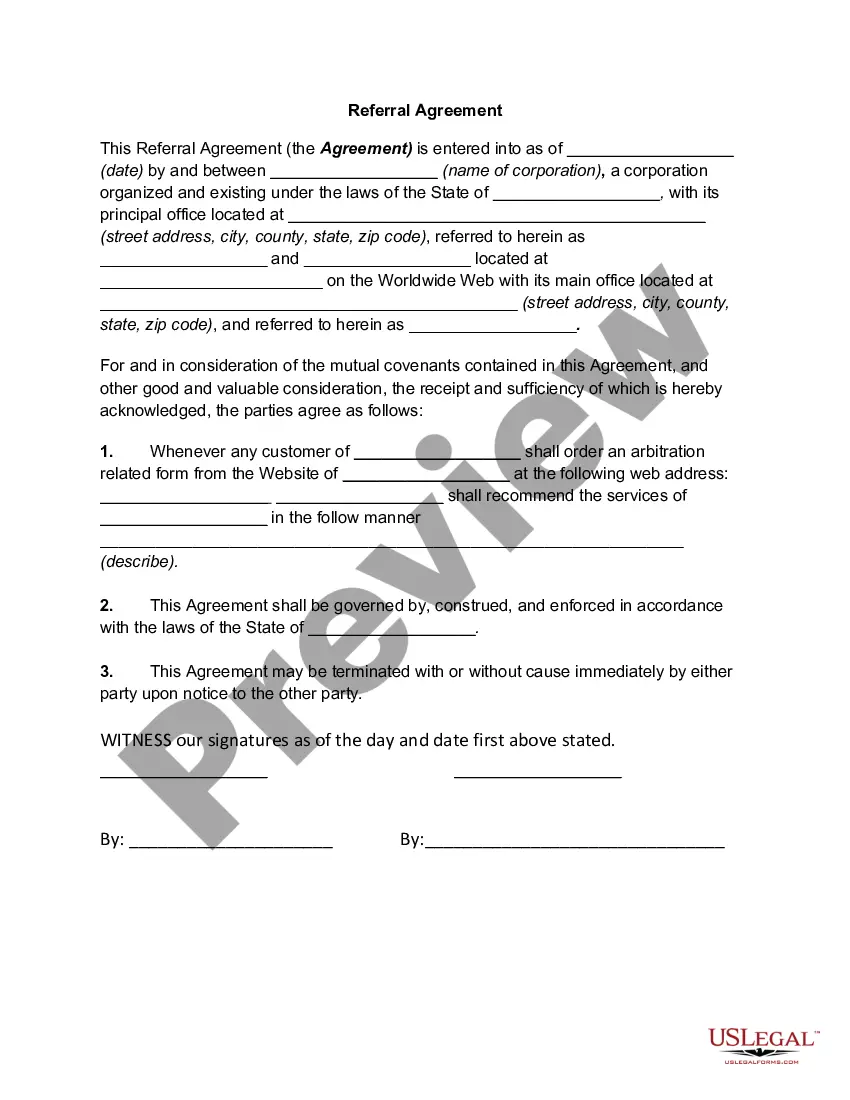
Claim Against Estate File Format In Franklin
Description


Get your form ready online
Our built-in tools help you complete, sign, share, and store your documents in one place.
Make edits, fill in missing information, and update formatting in US Legal Forms—just like you would in MS Word.
Download a copy, print it, send it by email, or mail it via USPS—whatever works best for your next step.
Sign and collect signatures with our SignNow integration. Send to multiple recipients, set reminders, and more. Go Premium to unlock E-Sign.
If this form requires notarization, complete it online through a secure video call—no need to meet a notary in person or wait for an appointment.
We protect your documents and personal data by following strict security and privacy standards.

Make edits, fill in missing information, and update formatting in US Legal Forms—just like you would in MS Word.

Download a copy, print it, send it by email, or mail it via USPS—whatever works best for your next step.

Sign and collect signatures with our SignNow integration. Send to multiple recipients, set reminders, and more. Go Premium to unlock E-Sign.

If this form requires notarization, complete it online through a secure video call—no need to meet a notary in person or wait for an appointment.

We protect your documents and personal data by following strict security and privacy standards.
Looking for another form?









Form popularity
FAQ
Inventory the Assets Bank accounts. Retirement accounts. Stocks and bonds. Some life insurance policies. Real estate. Motor vehicles, such as cars, motorcycles, and RVs. Personal property, such as jewelry and household furnishings.
Ohio. Ohio imposes a six-month deadline from the date of death. Probate filings beyond this period may face hurdles, including court dismissal.
Under Ohio law, if you are the beneficiary of a will, and you know of the will's existence and have the power to do so, you are obligated to have it submitted for probate within a year.
The notice will also request the creditors to institute their claims against the deceased estate within a period of not less than 30 days or more than 3 months after publication of the notice. The notice must be published in a local newspaper and the Government Gazette.
To the executor or administrator in writing, and to the probate court by filing with it a copy of the written claim that has been filed with the fiduciary, or. By sending a written claim by ordinary mail addressed to the decedent if it is actually received by the fiduciary within 6 months of the date of death.
Filing a claim requires the use of a Judicial Council creditor's claim form, which is available at the courthouse or on the Judicial Council website. A creditor must then serve a copy of the claim upon the person appointed as the personal representative of the decedent's estate.
Claims of creditors are called liabilities, while claims of owners are called owner's equity. The equation just shown can then be expanded to assets = liabilities + owner's equity. This is known as the “basic accounting equation.” Assets must equal the sum of liabilities and owner's equity.
Place an advertisement in a local newspaper where the deceased usually lived, as well as the Government Gazette. This advertisement will inform all creditors of the deceased's death and request them to lodge their claims against the deceased estate (“claims”) within 30 days from the date of the advertisement.