Estate Claim Form For Florida In Fairfax
Description


Get your form ready online
Our built-in tools help you complete, sign, share, and store your documents in one place.
Make edits, fill in missing information, and update formatting in US Legal Forms—just like you would in MS Word.
Download a copy, print it, send it by email, or mail it via USPS—whatever works best for your next step.
Sign and collect signatures with our SignNow integration. Send to multiple recipients, set reminders, and more. Go Premium to unlock E-Sign.
If this form requires notarization, complete it online through a secure video call—no need to meet a notary in person or wait for an appointment.
We protect your documents and personal data by following strict security and privacy standards.

Make edits, fill in missing information, and update formatting in US Legal Forms—just like you would in MS Word.

Download a copy, print it, send it by email, or mail it via USPS—whatever works best for your next step.

Sign and collect signatures with our SignNow integration. Send to multiple recipients, set reminders, and more. Go Premium to unlock E-Sign.

If this form requires notarization, complete it online through a secure video call—no need to meet a notary in person or wait for an appointment.

We protect your documents and personal data by following strict security and privacy standards.
Looking for another form?
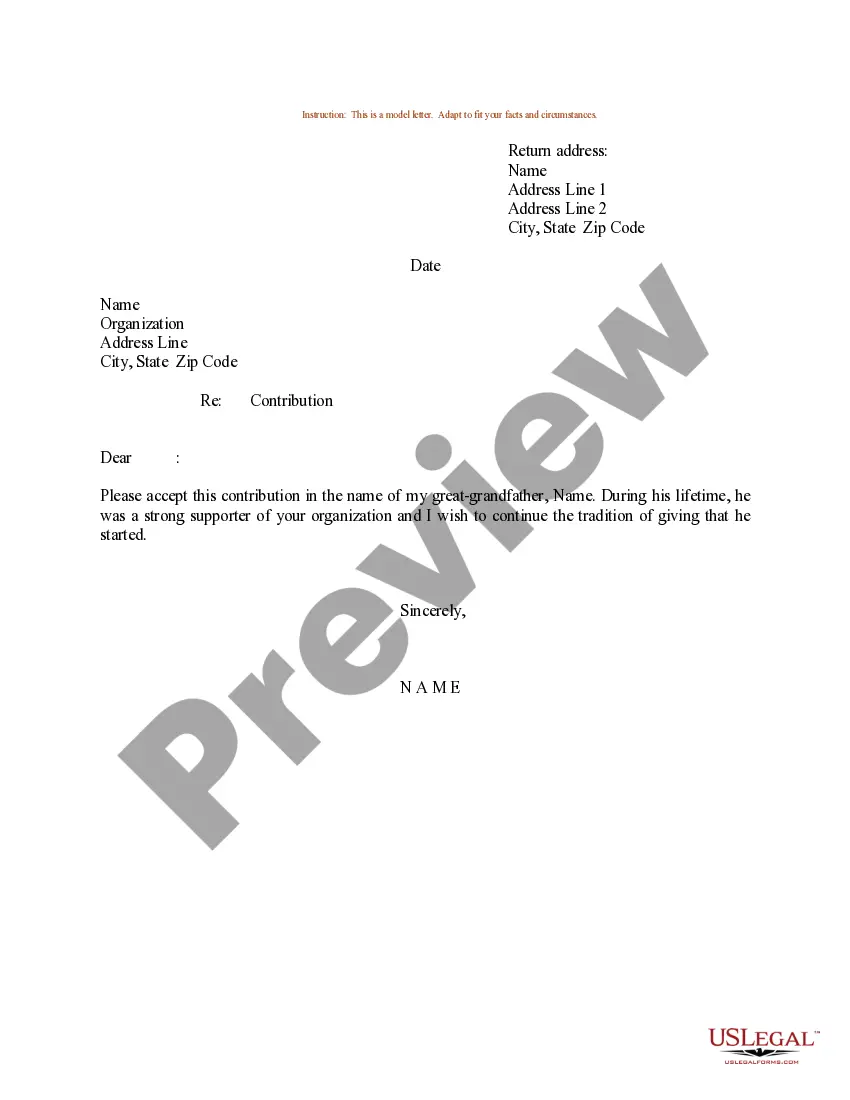



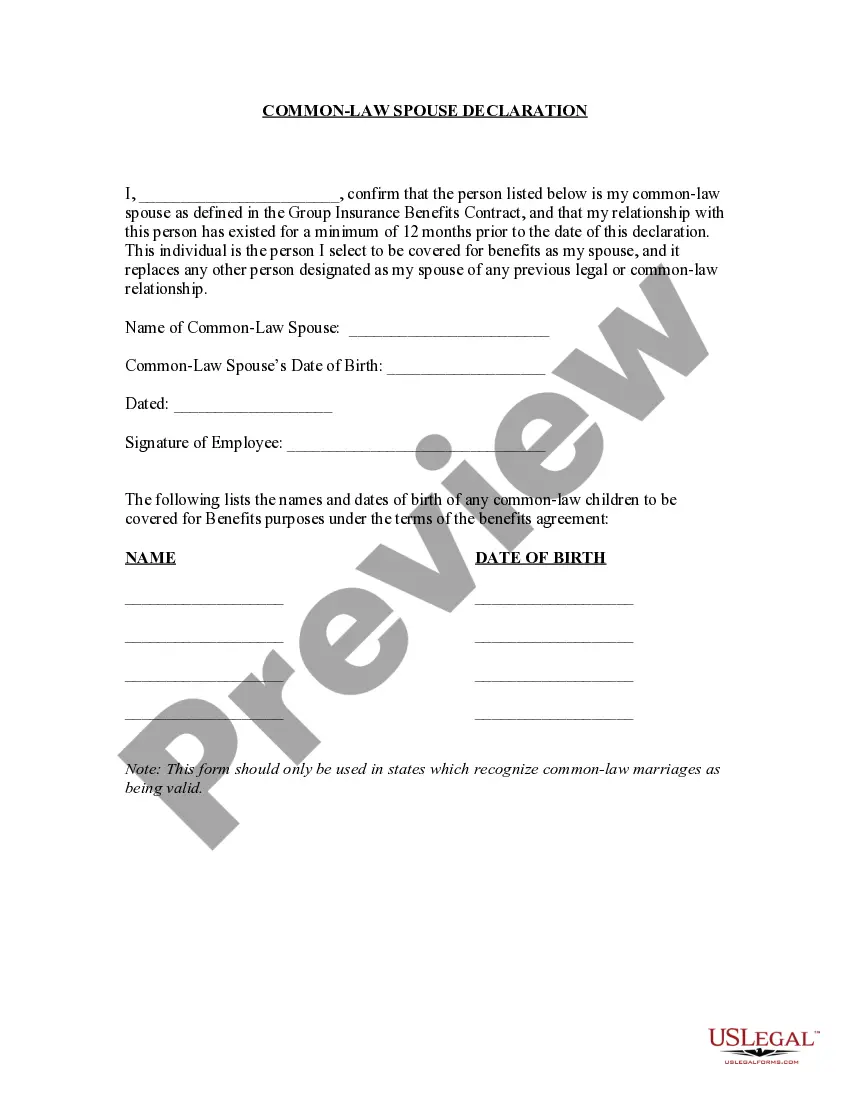





Form popularity
FAQ
You'll need to file the necessary documents with the local probate court where the decedent resided in Florida. Once approved by a judge, they issue Letters of Administration certifying your role as estate administrator to third parties, including banks.
§ 64.2-600. "Small asset" means any indebtedness owed to or any asset belonging or presently distributable to the decedent, other than real property, having a value, on the date of the decedent's death, of no more than $50,000.
In Virginia, an estate will need to be probated when a person dies with property valued at more than $50,000. So, to avoid probate, you must either have a very small estate or take steps to ensure that your assets transfer automatically to beneficiaries.
A Virginia small estate affidavit may expedite a probate process for an estate worth less than $50,000 (excluding real estate). The form may not be used until at least 60 days have passed since the decedent's death date.
In Florida, almost anyone can get a copy of a deceased person's will from the state register of will. The custodian of the will (who may or may not be the same person as the personal representative of the estate) must submit the will to the state register of wills within ten days of finding out about the death.
An affidavit must be made voluntarily by the affiant or deponent to be valid. It must also be made under oath or affirmation administered by a person authorized to do so by law. In addition, the affidavit must contain the following information: The name, address, and telephone number of the affiant or deponent.
The Virginia Small Estate Affidavit is a legal document used for managing estates valued at $50,000 or less. It expedites the distribution of small estates and allows direct transition of assets without formal probate.
Probate Statutes of Limitations Creditors have two years from the decedent's death to bring claims against the estate. Otherwise, you generally must raise estate-related claims during administration. Objections to the appointment or conduct of the personal representative must be filed before the estate is closed.
For creditors who only received notice via publication: These creditors have up to 3 months from the date of first publication to file a claim. For known or reasonably ascertainable creditors who did not receive any notice: These creditors have up to 2 years after the date of death to file claims.
What is the procedure to probate an estate with a Will? A. The executor named in the Will must schedule an appointment with the Probate Division to probate the Will and qualify as executor. The named executor should be a Virginia resident; however, statutes allows out-of-state residents to qualify.

