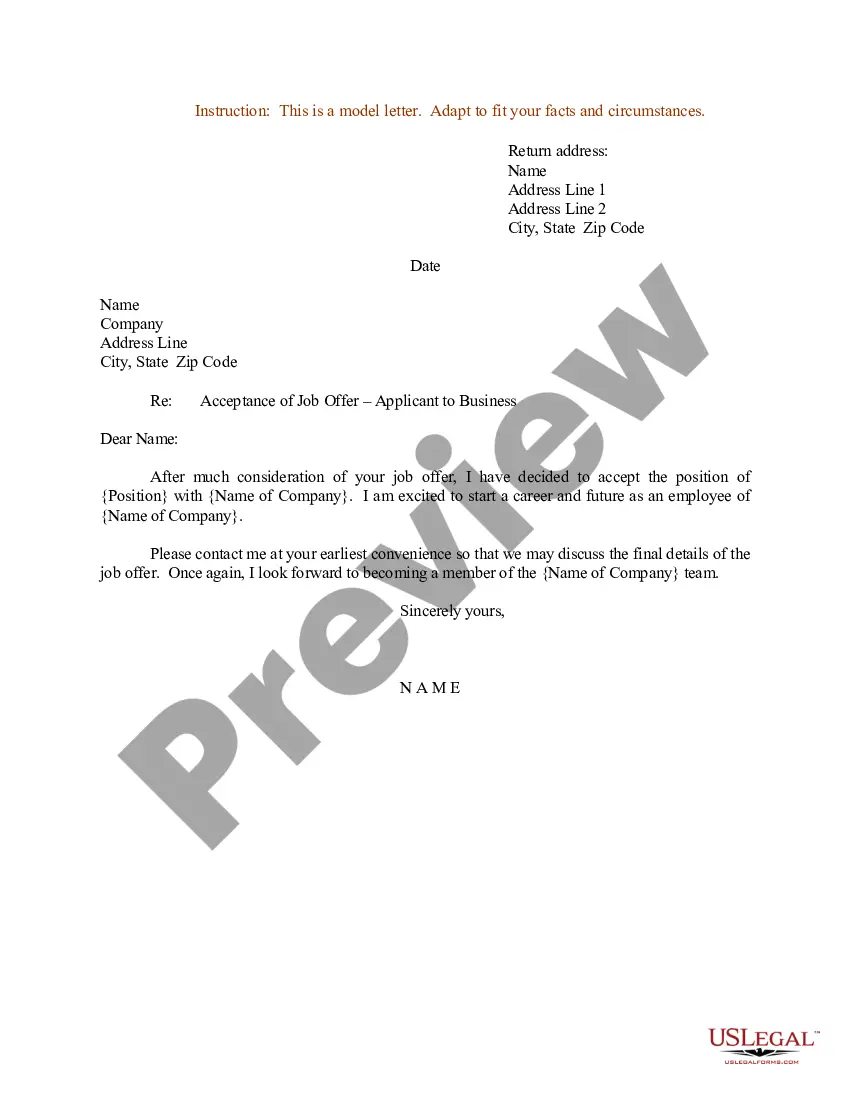
Sample Claim Statement With Defamation In Dallas
Description


Get your form ready online
Our built-in tools help you complete, sign, share, and store your documents in one place.
Make edits, fill in missing information, and update formatting in US Legal Forms—just like you would in MS Word.
Download a copy, print it, send it by email, or mail it via USPS—whatever works best for your next step.
Sign and collect signatures with our SignNow integration. Send to multiple recipients, set reminders, and more. Go Premium to unlock E-Sign.
If this form requires notarization, complete it online through a secure video call—no need to meet a notary in person or wait for an appointment.
We protect your documents and personal data by following strict security and privacy standards.

Make edits, fill in missing information, and update formatting in US Legal Forms—just like you would in MS Word.

Download a copy, print it, send it by email, or mail it via USPS—whatever works best for your next step.

Sign and collect signatures with our SignNow integration. Send to multiple recipients, set reminders, and more. Go Premium to unlock E-Sign.

If this form requires notarization, complete it online through a secure video call—no need to meet a notary in person or wait for an appointment.

We protect your documents and personal data by following strict security and privacy standards.
Looking for another form?







Form popularity
FAQ
Defamation The article was full of lies and defamations. That could open the door to defamation claims, lawyers aid. Unsworth sued Musk for defamation but lost the case in 2019. The firm has filed a defamation suit against the researcher in Hong Kong. Unsworth sued him for defamation, but Musk won the case.
Intentional infliction of emotional distress claims are often included in lawsuits, but they tend to be among the claims most commonly dismissed early in the process. Unless you also have other stronger claims to pursue or your case is extremely unusual, it's not going to be worthwhile to pursue such a claim.
In order to successfully sue for defamation, you must demonstrate that the defendant has made false statements about you that were communicated to a third party, and that those statements caused you harm. This harm could include damage to your reputation, financial loss, emotional distress, or any other type of injury.
The core of the letter involves specifying the cause of action, such as defamation, malicious falsehood, or harassment. It's important to explicitly refer to each defamatory statement you are complaining about or to state clearly that you are only referring to a sample of defamatory incidents.
Truth is an affirmative defense to defamation, and that means that the defendant must try to establish the truth in order to gain the defense.
A defamatory statement must be an assertion of fact, not an opinion. For example, if your boss says that you are not a very nice person, then that statement is likely to be an opinion. On the other hand, if your boss says you have been stealing from the company, that is a statement of fact, not opinion.
To prove a successful defamation claim, the plaintiff must show the following: (1) the defendant published a false statement; (2) that defamed the plaintiff; (3) with the requisite degree of fault regarding the statement's truth; and (4) damages, unless the statement constitutes defamation per se.
Examples of social media defamation Sharing a video that includes untrue comments about an individual, with the purpose of defaming them and causing harm to their reputation. Leaving a Google review that is false and aimed at tarnishing the reputation of a business.
A defamatory statement must be an assertion of fact, not an opinion. For example, if your boss says that you are not a very nice person, then that statement is likely to be an opinion. On the other hand, if your boss says you have been stealing from the company, that is a statement of fact, not opinion.
This includes: Medical records of therapy sessions or diagnoses related to emotional distress. Witness statements from individuals who observed your emotional state. Personal journals or diaries documenting your emotions and their connection to the defendant's conduct.