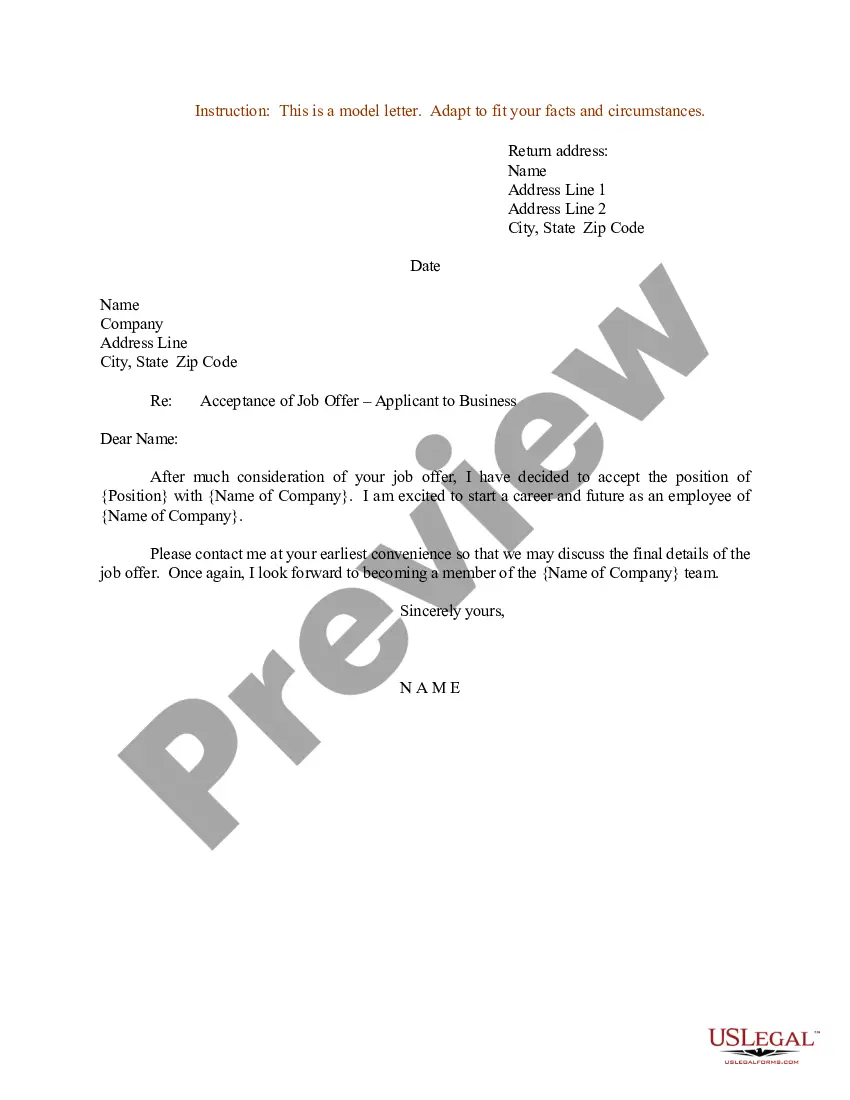
Claim Against Estate File With Probate Court In Cook
Description


Get your form ready online
Our built-in tools help you complete, sign, share, and store your documents in one place.
Make edits, fill in missing information, and update formatting in US Legal Forms—just like you would in MS Word.
Download a copy, print it, send it by email, or mail it via USPS—whatever works best for your next step.
Sign and collect signatures with our SignNow integration. Send to multiple recipients, set reminders, and more. Go Premium to unlock E-Sign.
If this form requires notarization, complete it online through a secure video call—no need to meet a notary in person or wait for an appointment.
We protect your documents and personal data by following strict security and privacy standards.

Make edits, fill in missing information, and update formatting in US Legal Forms—just like you would in MS Word.

Download a copy, print it, send it by email, or mail it via USPS—whatever works best for your next step.

Sign and collect signatures with our SignNow integration. Send to multiple recipients, set reminders, and more. Go Premium to unlock E-Sign.

If this form requires notarization, complete it online through a secure video call—no need to meet a notary in person or wait for an appointment.

We protect your documents and personal data by following strict security and privacy standards.
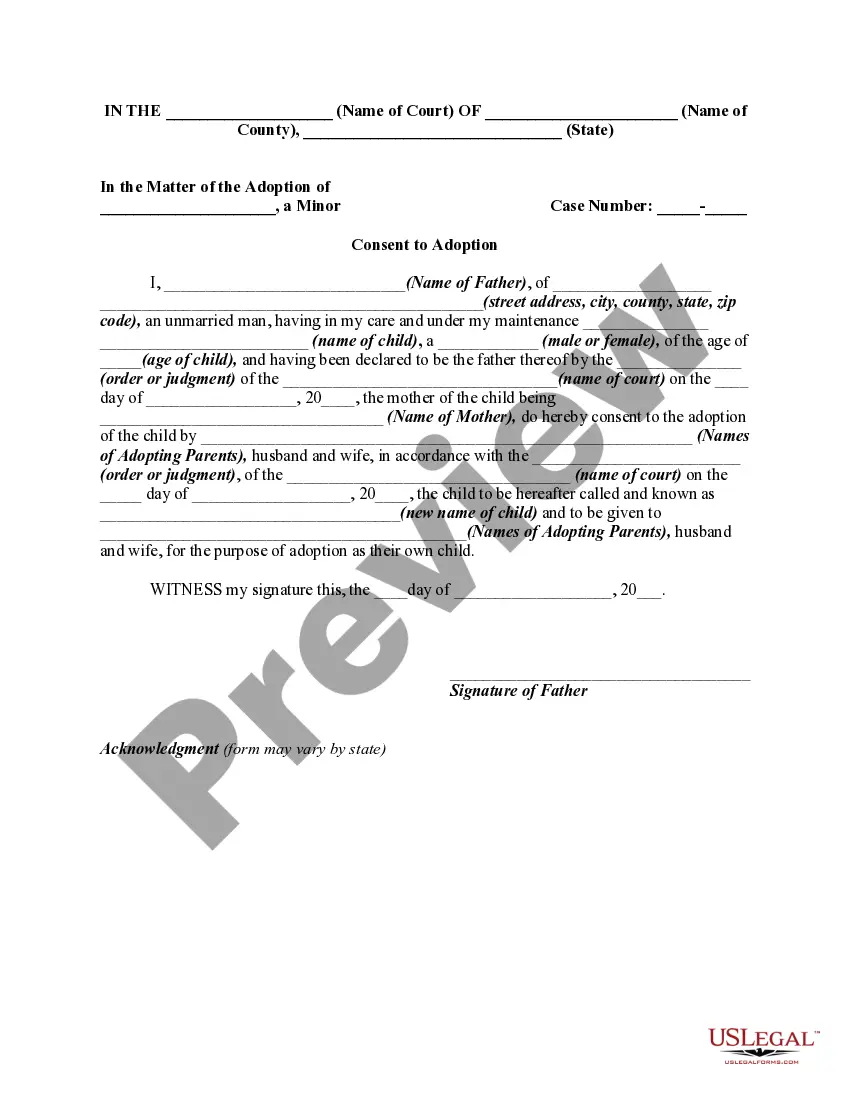
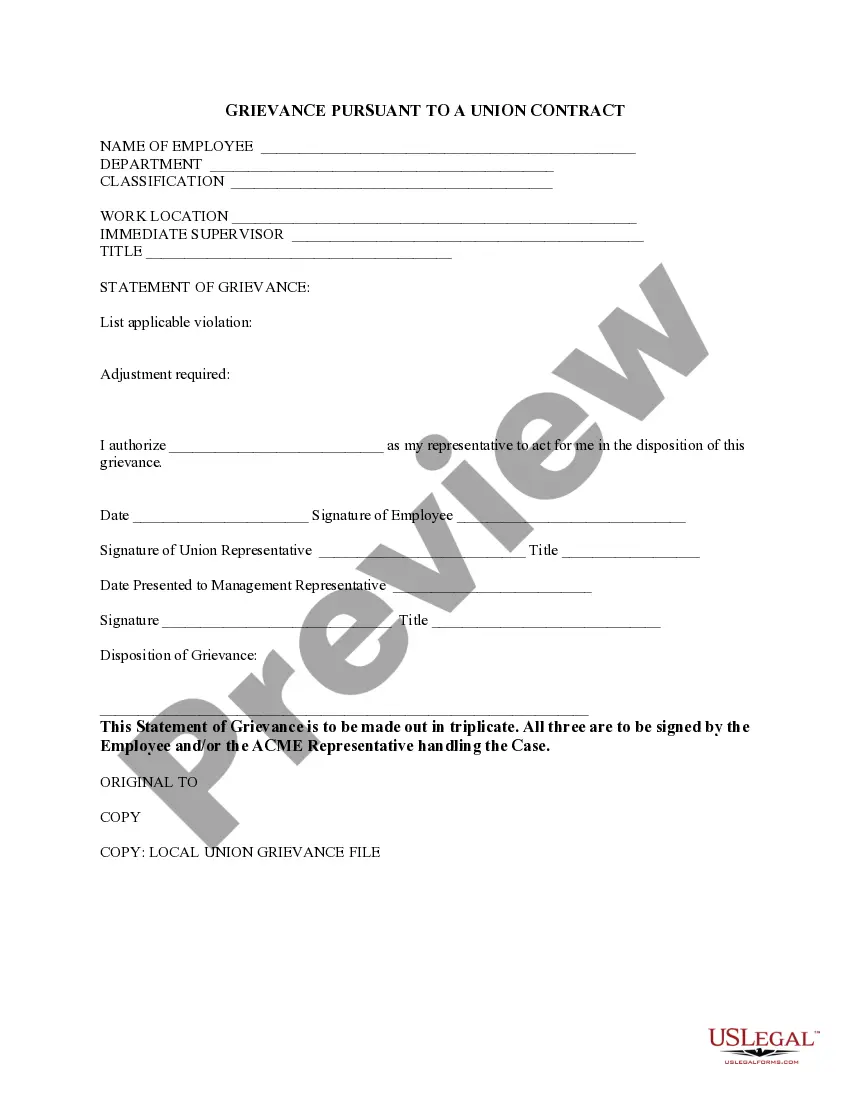
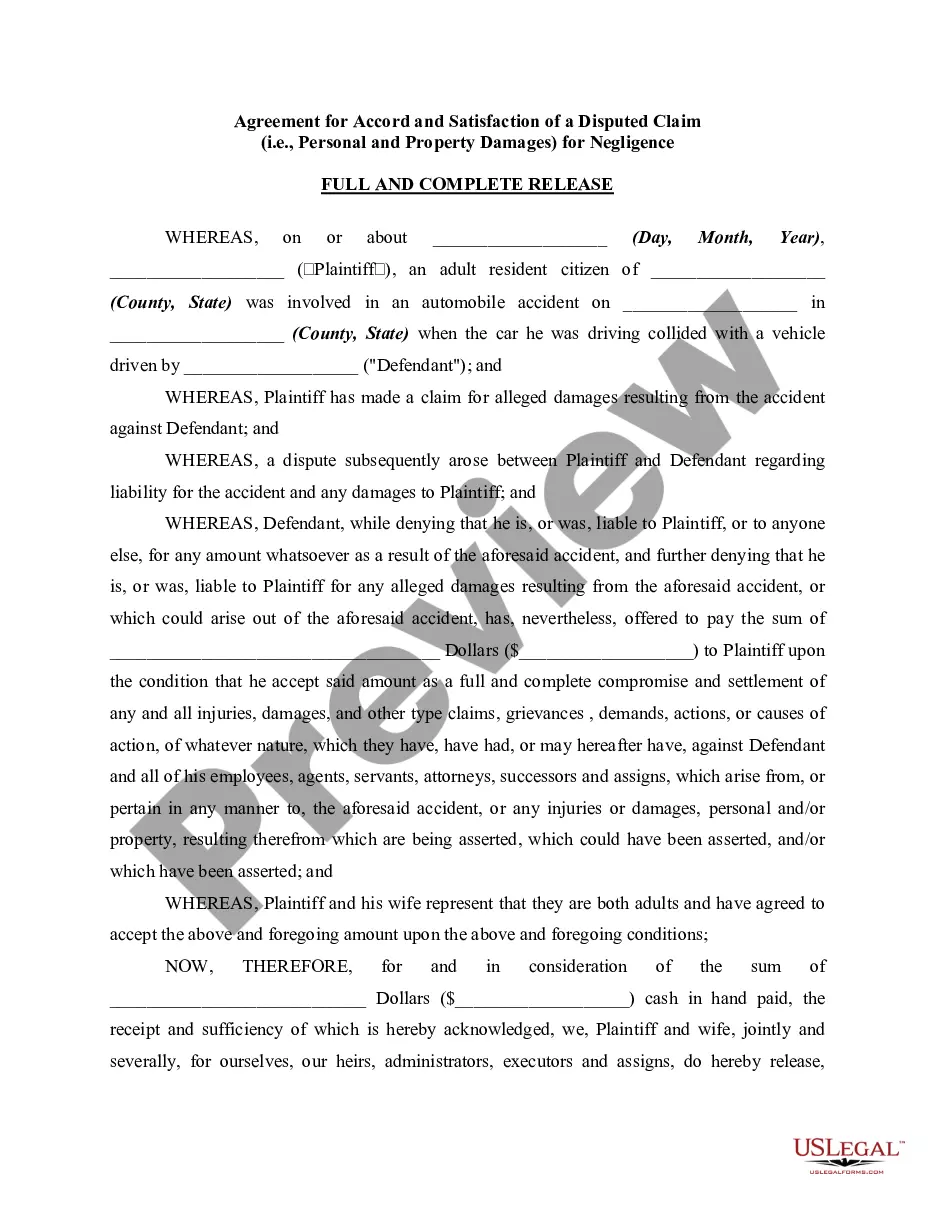
Looking for another form?





Form popularity
FAQ
An interested person, usually a family member, files a petition with. the Probate Court asking that an "administrator" be appointed, that the Court determine the heirs, and that an estate be opened. Notice of the presentation of that petition and the hearing must be given in writing to close relatives.
While this is a general framework, the Illinois probate process can take six months to two years or even longer. Factors like estate complexity, court backlog, and the cooperation of heirs influence the length of probate in Illinois. Simple estates with few assets and a valid will progress faster.
In Illinois, a Probate Court is a particular court which has power over the administration of the estates of deceased persons, as well as living persons whom the law recognizes as being unable to handle their own affairs (minors and adults with a disability).
While this is a general framework, the Illinois probate process can take six months to two years or even longer. Factors like estate complexity, court backlog, and the cooperation of heirs influence the length of probate in Illinois. Simple estates with few assets and a valid will progress faster.
The statute of limitations for probate claims in Illinois provides that creditors have two years from the decedent's death to file a claim against the estate. However, the representative can shorten this period by providing notice to known and unknown creditors.
The state of Illinois does not set a specific time limit for settling an estate, but it does expect executors and probate courts to handle the process as efficiently and diligently as possible. Because of the variation in estates, the length of the process can vary from several months to several years.
For administrative or procedural inquiries, contact Joseph Fleming at (312) 603-7546 or joseph.fleming@cookcountyil or the Probate Division Staff Attorney at (312) 603-7545 or probate.divatty@cookcountyil.
Contact & Zoom Information The Office of the Clerk of the Circuit Court – Probate Division. Richard J. Daley Center, Rm. 1202. (312) 603-6441. The Office of the Presiding Judge – Probate Division. Hon. Judge Daniel B. Malone. (312) 603-7546.
When a person dies in Illinois, anyone who has a claim against a decedent's estate —whether it is a contract, tort, or statutory custodial claim—may file that claim with the estate representative or with the court.