Letter Settlement Estate Sample With Waiver Of Rights In Clark
Description


Get your form ready online
Our built-in tools help you complete, sign, share, and store your documents in one place.
Make edits, fill in missing information, and update formatting in US Legal Forms—just like you would in MS Word.
Download a copy, print it, send it by email, or mail it via USPS—whatever works best for your next step.
Sign and collect signatures with our SignNow integration. Send to multiple recipients, set reminders, and more. Go Premium to unlock E-Sign.
If this form requires notarization, complete it online through a secure video call—no need to meet a notary in person or wait for an appointment.
We protect your documents and personal data by following strict security and privacy standards.

Make edits, fill in missing information, and update formatting in US Legal Forms—just like you would in MS Word.

Download a copy, print it, send it by email, or mail it via USPS—whatever works best for your next step.

Sign and collect signatures with our SignNow integration. Send to multiple recipients, set reminders, and more. Go Premium to unlock E-Sign.

If this form requires notarization, complete it online through a secure video call—no need to meet a notary in person or wait for an appointment.

We protect your documents and personal data by following strict security and privacy standards.
Looking for another form?



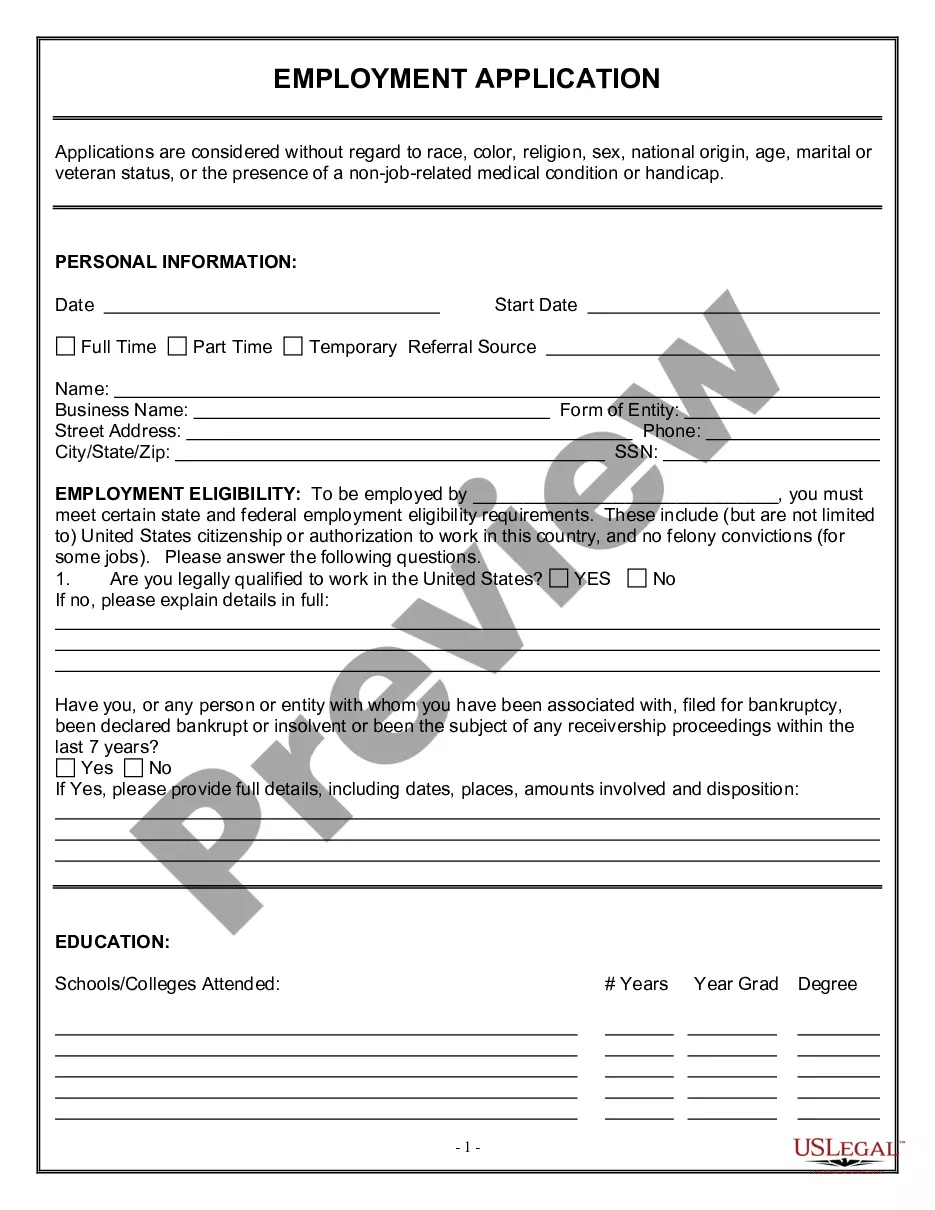
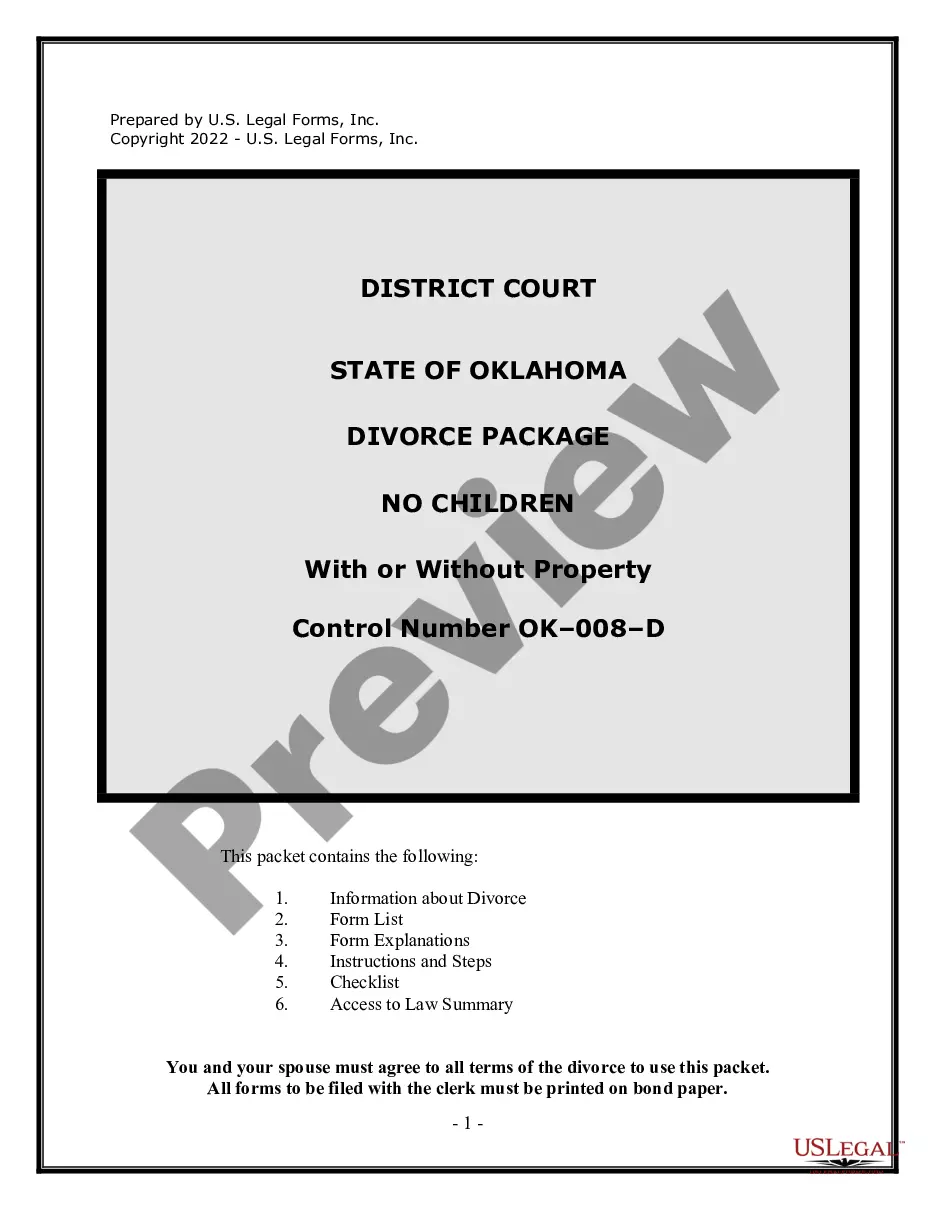

Form popularity
FAQ
It can happen that an heir to a Philippine inheritance might want to waive his share of the estate. A waiver may be total or partial. These two scenarios have different requirements. They also have different tax implications.
Extra-Judicial Settlement (EJS) with Waiver of Rights An EJS is a legal document that heirs use to divide and distribute the estate of a deceased person when there is no will (intestate succession) and when the heirs are in agreement on the division.
A waiver of rights, in the context of property ownership, is a legal instrument where an individual relinquishes their rights, interests, or claims over a property. While a waiver of rights may seem straightforward, it is subject to legal interpretations, tax implications, and procedural requirements.
An Extrajudicial Settlement with Deed of Sale in the Philippines is a document used when heirs are selling inherited property to a new owner. This document is used to: Settle an estate. Sell the inherited property.
For a waiver to be considered valid and enforceable under Philippine law, it must meet the following elements: Existence of a Right: There must be a recognized right, claim, or benefit held by the waiving party.
The Civil Code outlines the following order of priority: Children and Spouse – If the deceased was married and has children, the surviving spouse and children share the estate. The children inherit in equal shares, while the spouse's share depends on the nature of the property (whether it is conjugal or exclusive).
Waiver of Rights: A Legal Overview A waiver of rights, in the context of property ownership, is a legal instrument where an individual relinquishes their rights, interests, or claims over a property.
Extra-Judicial Settlement (EJS) with Waiver of Rights An EJS is a legal document that heirs use to divide and distribute the estate of a deceased person when there is no will (intestate succession) and when the heirs are in agreement on the division.
A waiver of rights, in the context of property ownership, is a legal instrument where an individual relinquishes their rights, interests, or claims over a property. While a waiver of rights may seem straightforward, it is subject to legal interpretations, tax implications, and procedural requirements.
A waiver of inheritance rights, which is done voluntarily by an heir in favor of another heir, is generally considered a form of donation under the National Internal Revenue Code (NIRC). The law imposes donor's tax on such transfers unless an exemption applies.

