Estate Against Withholding In Clark
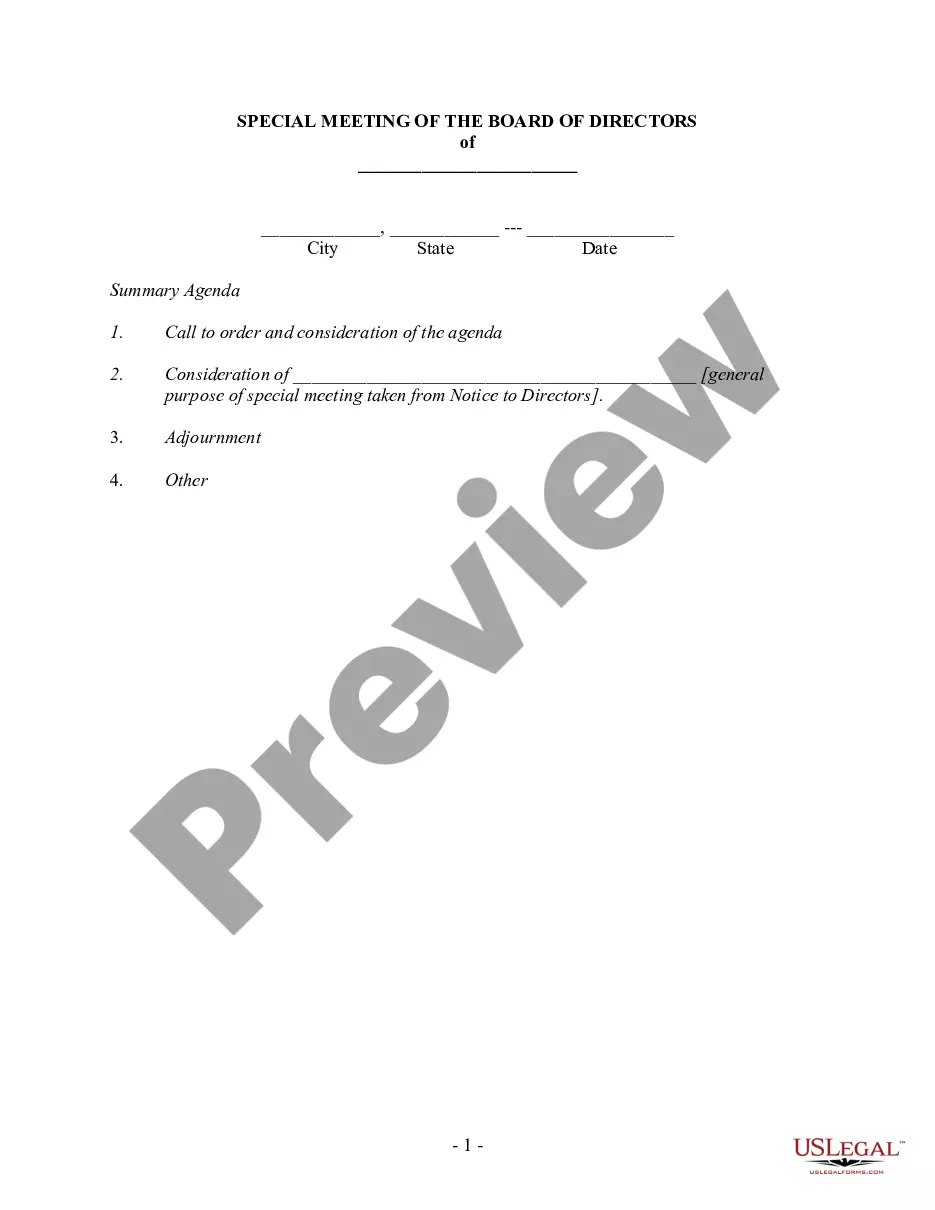
Description


Get your form ready online
Our built-in tools help you complete, sign, share, and store your documents in one place.
Make edits, fill in missing information, and update formatting in US Legal Forms—just like you would in MS Word.
Download a copy, print it, send it by email, or mail it via USPS—whatever works best for your next step.
Sign and collect signatures with our SignNow integration. Send to multiple recipients, set reminders, and more. Go Premium to unlock E-Sign.
If this form requires notarization, complete it online through a secure video call—no need to meet a notary in person or wait for an appointment.
We protect your documents and personal data by following strict security and privacy standards.

Make edits, fill in missing information, and update formatting in US Legal Forms—just like you would in MS Word.

Download a copy, print it, send it by email, or mail it via USPS—whatever works best for your next step.

Sign and collect signatures with our SignNow integration. Send to multiple recipients, set reminders, and more. Go Premium to unlock E-Sign.

If this form requires notarization, complete it online through a secure video call—no need to meet a notary in person or wait for an appointment.

We protect your documents and personal data by following strict security and privacy standards.
Looking for another form?









Form popularity
FAQ
If the property owner doesn't believe the assessor's appraisal is correct, then he or she must file an appeal with the county board of equalization. The appeal form must be obtained from the county assessor and filled out completely (in Clark County, call (702) 455-3891; be prepared to provide the parcel ID number).
Procedures for Recording Declaration of Homestead? Complete the Homestead Declaration form. The form must be printed legibly in black ink. Text cannot extend beyond the one-inch margins on all sides of the form. Sign in the presence of a Notary Public. Take the completed document to Clark County Recorder.
NRS 361.4723 provides a partial abatement of taxes by applying a 3% cap on the tax bill of the owner's primary residence (single-family house, townhouse, inium or manufactured home). Only one property may be selected in the State of Nevada as a primary residence.
How to File a Quitclaim Deed in Nevada Step 1 - Procure the Property Deed. Step 2 - Locate the Property's Legal Description. Step 3 - Fill Out the Quitclaim Deed Form. Step 4 - Sign the Quitclaim Deed Before a Notary. Step 5 - Complete the Declaration of Value Form. Step 6: File the Deed With the County Recorder's Office.
The title transfer process in Nevada involves several steps: completing necessary forms based on the property type, obtaining required signatures (notarization for real estate), calculating applicable fees, and submitting all documentation to the appropriate county office or DMV.
The quitclaim deed simply transfers any interest they may have to the other party. Because of the lack of title guarantees, quitclaim deeds are most often used to transfer property between two parties who know and trust each other, such as family members.
How to File a Quitclaim Deed in Nevada Step 1 - Procure the Property Deed. Step 2 - Locate the Property's Legal Description. Step 3 - Fill Out the Quitclaim Deed Form. Step 4 - Sign the Quitclaim Deed Before a Notary. Step 5 - Complete the Declaration of Value Form. Step 6: File the Deed With the County Recorder's Office.
You must sign the deed and get your signature notarized, and then record (file) the deed with the county recorder's office before your death. Otherwise, it won't be valid. You can make a Nevada deed upon death with WillMaker.
Exemptions Exemption TypeAssessed Value Surviving Spouse 1,720 Surviving Spouse & Blind 6,880 Surviving Spouse & Veteran 5,160 Blind 5,1605 more rows