Estate Claim Form With Irs In Bronx
Description


Get your form ready online
Our built-in tools help you complete, sign, share, and store your documents in one place.
Make edits, fill in missing information, and update formatting in US Legal Forms—just like you would in MS Word.
Download a copy, print it, send it by email, or mail it via USPS—whatever works best for your next step.
Sign and collect signatures with our SignNow integration. Send to multiple recipients, set reminders, and more. Go Premium to unlock E-Sign.
If this form requires notarization, complete it online through a secure video call—no need to meet a notary in person or wait for an appointment.
We protect your documents and personal data by following strict security and privacy standards.

Make edits, fill in missing information, and update formatting in US Legal Forms—just like you would in MS Word.

Download a copy, print it, send it by email, or mail it via USPS—whatever works best for your next step.

Sign and collect signatures with our SignNow integration. Send to multiple recipients, set reminders, and more. Go Premium to unlock E-Sign.

If this form requires notarization, complete it online through a secure video call—no need to meet a notary in person or wait for an appointment.

We protect your documents and personal data by following strict security and privacy standards.
Looking for another form?



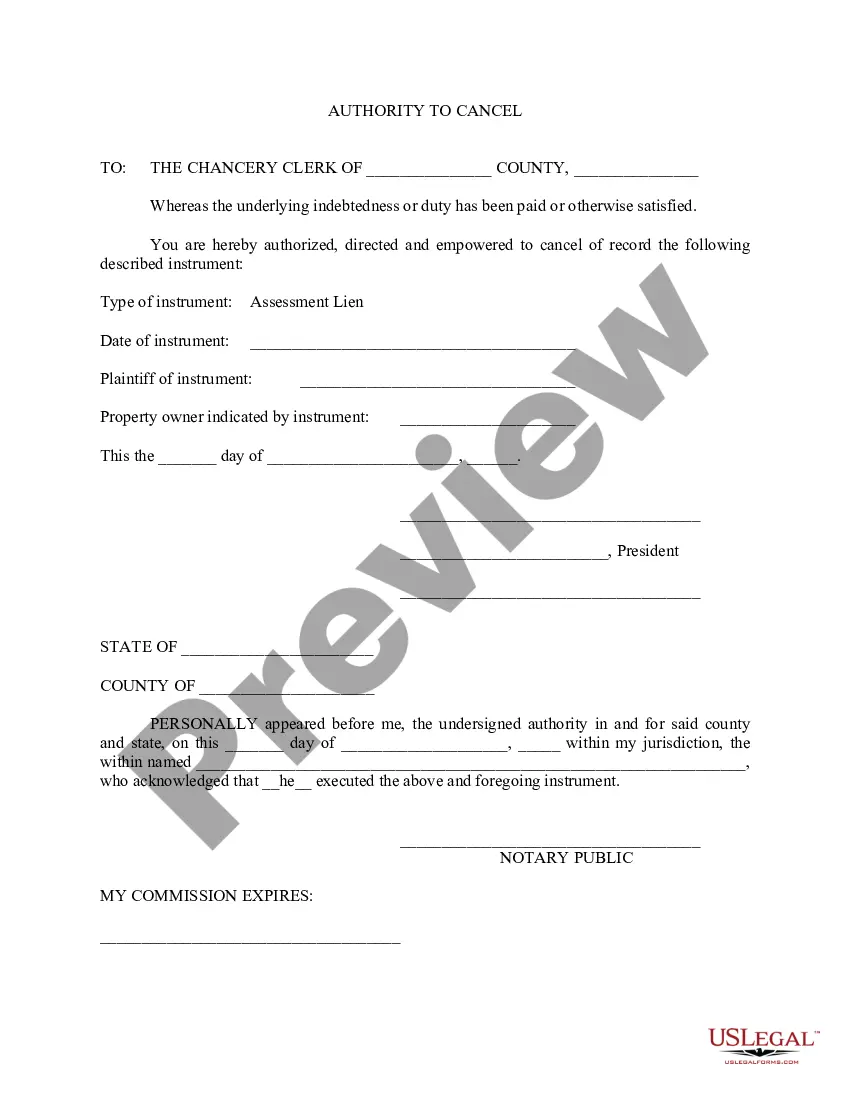
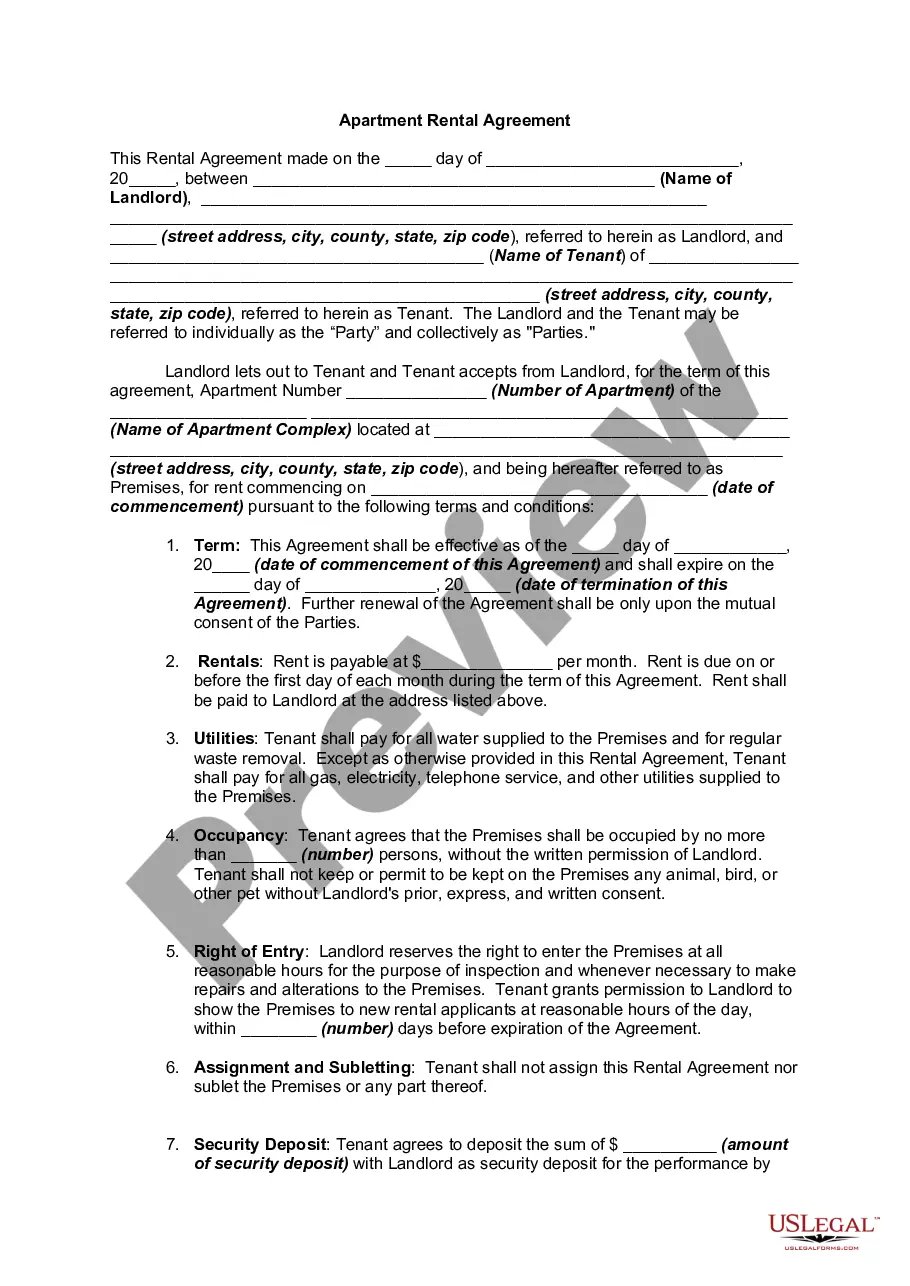



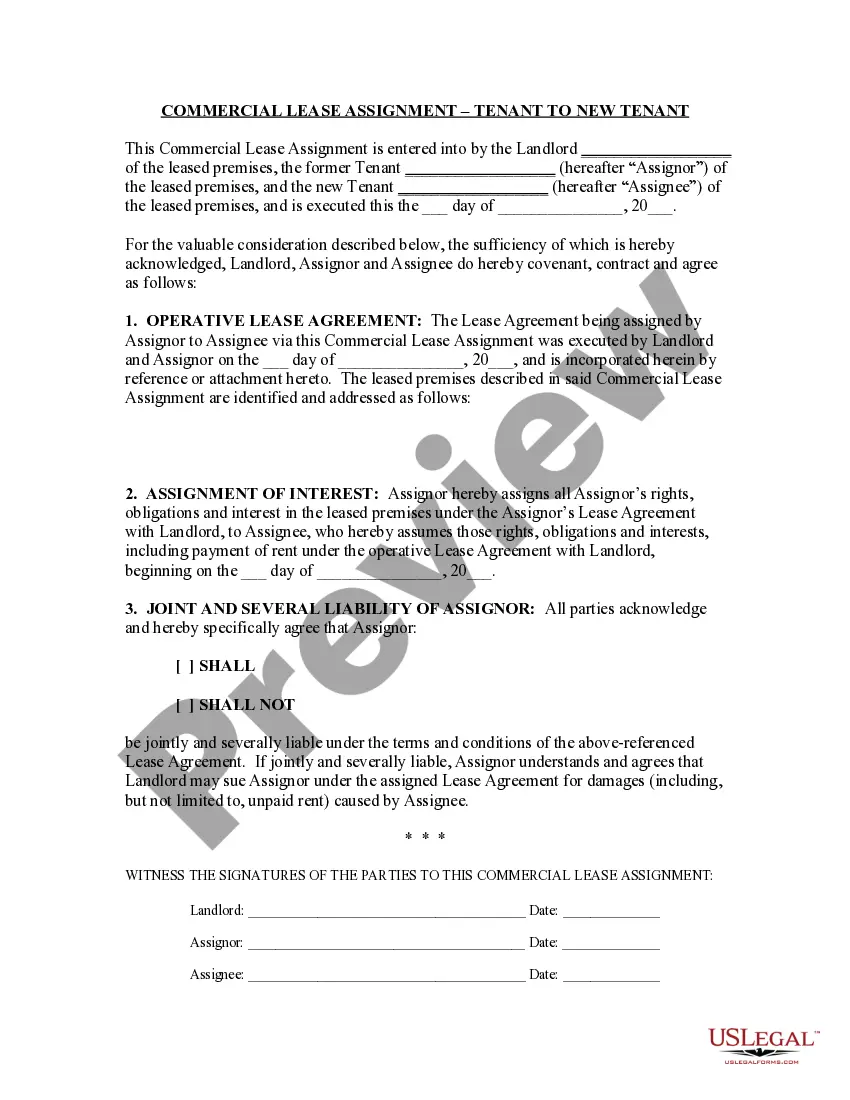

Form popularity
FAQ
The Gift Tax Return (Form 709) and the Estate Tax Return (Form 706) document your estate planning and provide the “Paper Trail” for the IRS and state departments of revenue. Most of the estate planning techniques must be reported on these tax returns.
This code indicates that Form 706, which is used to determine the amount of the estate tax, has been accepted as filed and an examination has been concluded.
General Requirement: Any U.S. citizen or resident who makes a gift exceeding the annual exclusion amount must file Form 709. This includes gifts of future interests, which are not subject to the annual exclusion. Special Cases: Nonresident aliens must also file if the transfer is subject to U.S. gift tax laws.
The Gift Tax Return (Form 709) and the Estate Tax Return (Form 706) document your estate planning and provide the “Paper Trail” for the IRS and state departments of revenue. Most of the estate planning techniques must be reported on these tax returns.
A good rule of thumb: Call as early in the morning as possible. Phones are open from 7 a.m. to 7 p.m. (your local time) Monday to Friday, except: Residents of Hawaii and Alaska should follow Pacific time.
You can call 1-800-829-1040 to get answers to your federal tax questions 24 hours a day. Tax forms and instructions for current and prior years are available by calling 1-800-829-3676.
Negotiating with the IRS is the most effective way of dealing with your case, and the cheapest. If the IRS does not respond favorably you can always hire an attorney or go to a tax relief agency.
If your address has changed, please call 1-800-829-8374 or visit .irs . Please check here if you've included any correspondence. Write your Social Security number , the tax year (2011), and the form number (5329) on any correspondence.
More In Forms and Instructions The fiduciary of a domestic decedent's estate, trust, or bankruptcy estate files Form 1041 to report: The income, deductions, gains, losses, etc. of the estate or trust. The income that is either accumulated or held for future distribution or distributed currently to the beneficiaries.
