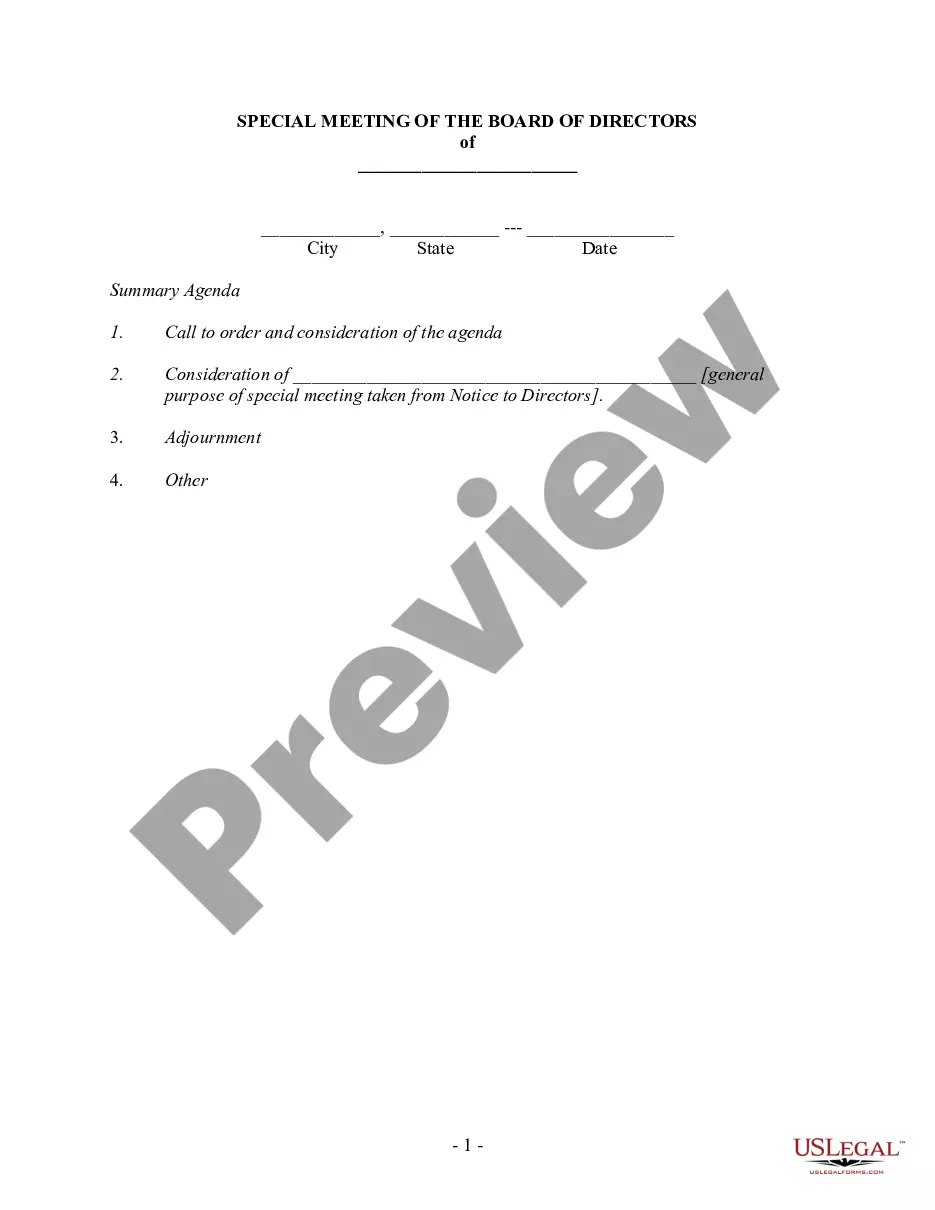
Estate Against Withdrawal In Alameda
Description


Get your form ready online
Our built-in tools help you complete, sign, share, and store your documents in one place.
Make edits, fill in missing information, and update formatting in US Legal Forms—just like you would in MS Word.
Download a copy, print it, send it by email, or mail it via USPS—whatever works best for your next step.
Sign and collect signatures with our SignNow integration. Send to multiple recipients, set reminders, and more. Go Premium to unlock E-Sign.
If this form requires notarization, complete it online through a secure video call—no need to meet a notary in person or wait for an appointment.
We protect your documents and personal data by following strict security and privacy standards.

Make edits, fill in missing information, and update formatting in US Legal Forms—just like you would in MS Word.

Download a copy, print it, send it by email, or mail it via USPS—whatever works best for your next step.

Sign and collect signatures with our SignNow integration. Send to multiple recipients, set reminders, and more. Go Premium to unlock E-Sign.

If this form requires notarization, complete it online through a secure video call—no need to meet a notary in person or wait for an appointment.

We protect your documents and personal data by following strict security and privacy standards.
Looking for another form?




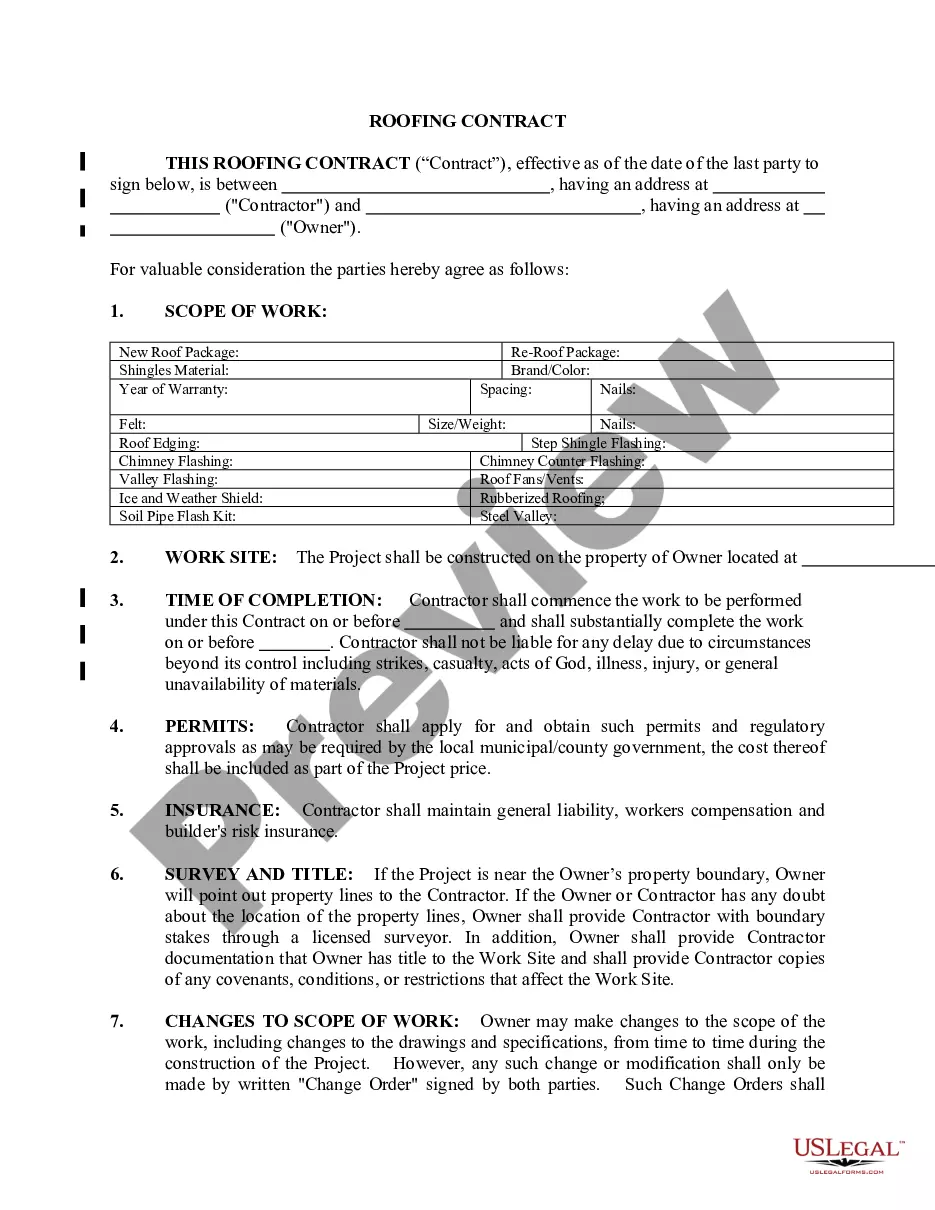





Form popularity
FAQ
In other words, heirs receive their inheritance at the end of the probate proceeding. Generally, this is at least 10-18 months after the probate petition is initially filed with the court. Once the judge has issued the order for distribution, estate heirs can expect to receive an inheritance check within a few weeks.
Order of Estate Distribution by Intestate Succession Laws in California. Spouse inherits all community property and ½ (50%) of the deceased's separate property. Spouse inherits all community property & ⅓ of deceased's separate property; with children inheriting an evenly split remaining ⅔ of separate property.
Most rental units in Alameda are fully regulated, i.e. all provisions of the Rent Ordinance apply.
The Personal Representative must complete specific steps to close the probate estate, including filing a Final Account, Report, and Petition for Final Distribution; setting the petition for hearing; giving notice of the hearing; and obtaining a court order approving the final distribution.
Understanding the Deceased Estate 3-Year Rule The core premise of the 3-year rule is that if the deceased's estate is not claimed or administered within three years of their death, the state or governing body may step in and take control of the distribution and management of the assets.
Applying for a grant of probate Generally speaking, it should take between four weeks and three months to apply for a grant of probate. The amount of time it might take for you depends on a number of factors, including: Whether there is an inventory present within the will. The size and intricacy of the estate.
Ing to California law the personal administrator of an estate must complete the probate process within one year from the date of their appointment, unless required to file a federal estate tax. In these types of situations, the maximum length of probate is 18 months.
California law mandates that probate be completed within one year of an executor or administrator being appointed to their role by the court. Typically it takes 12 to 18 months, though, and large or complex estates can take even longer. Executors or administrators can file extensions to resolve any complications.