Agreement Letter For Employee In San Diego
Description
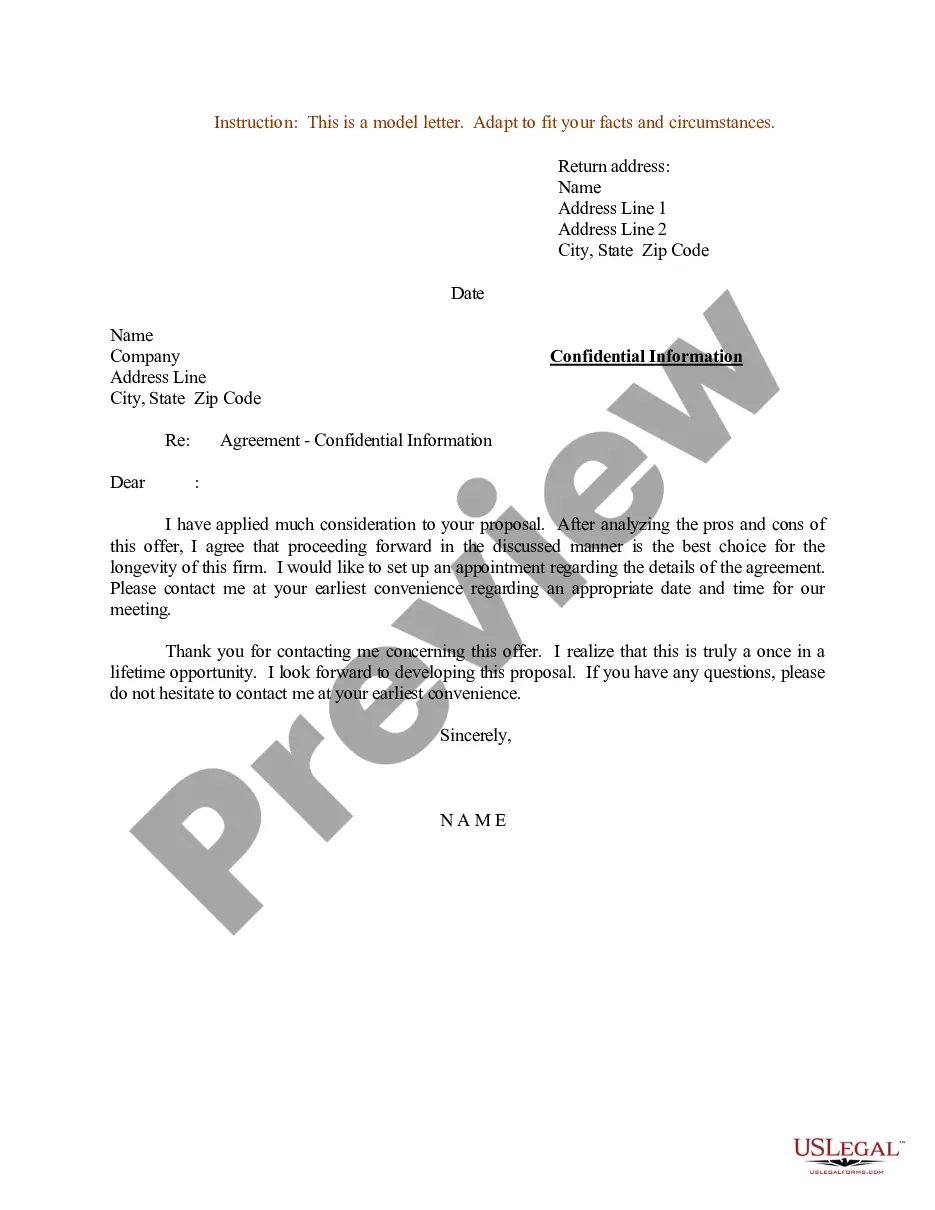
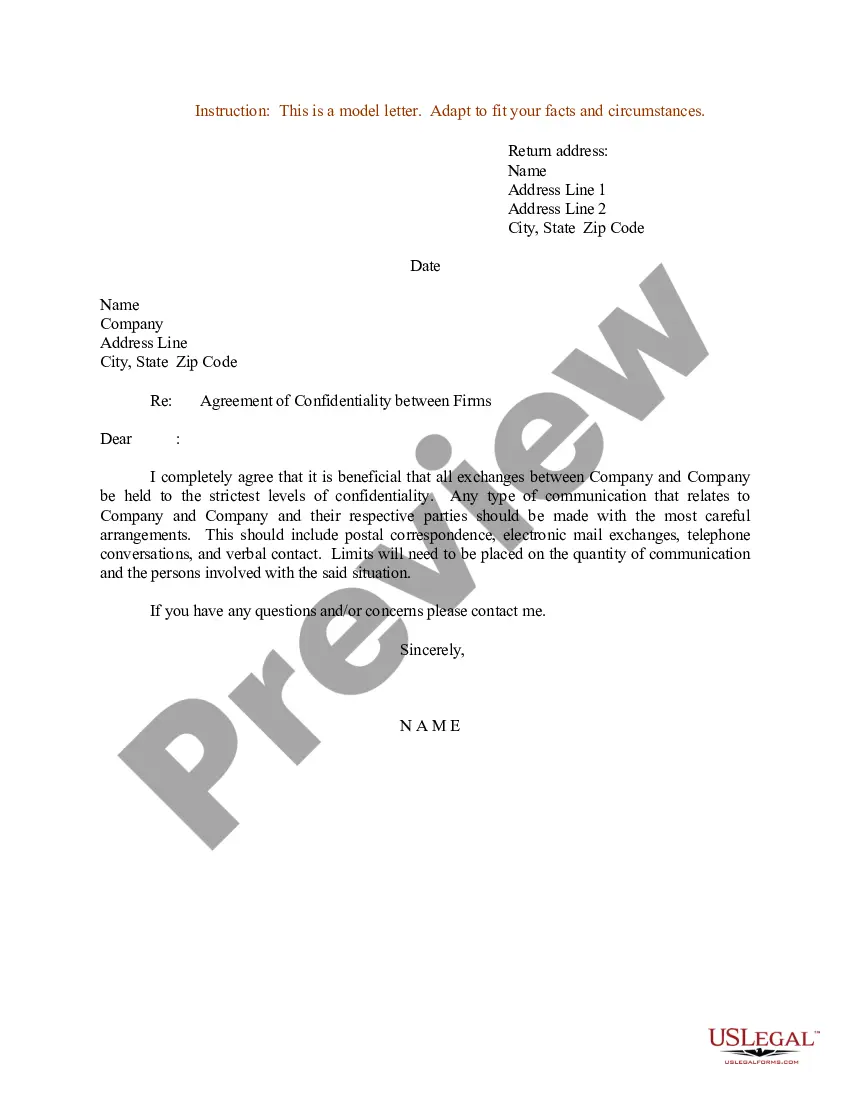
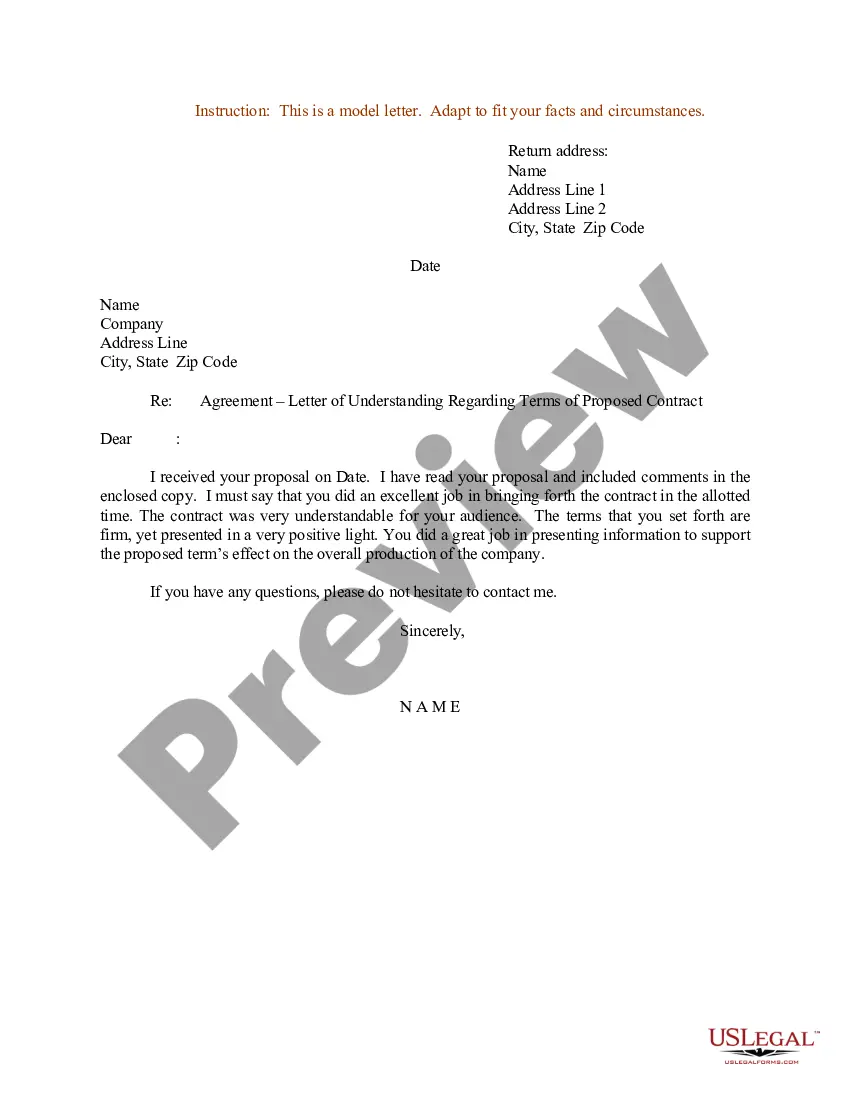
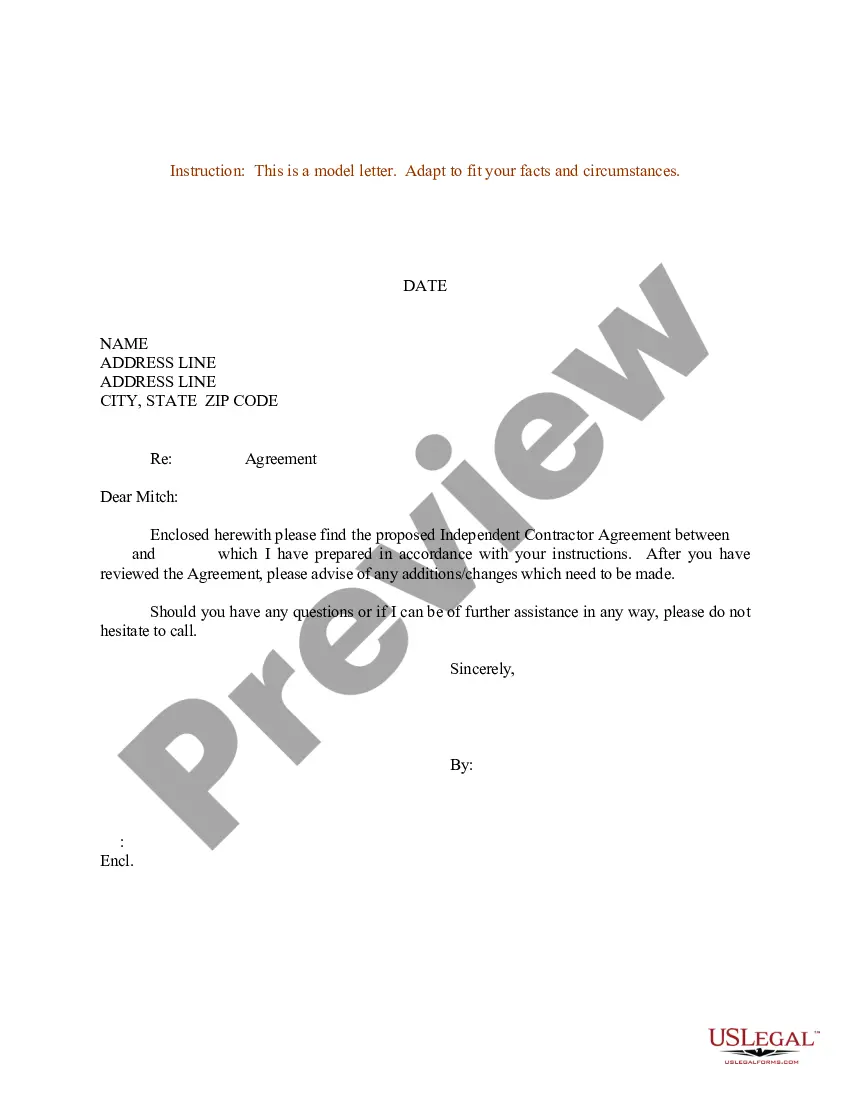
Get your form ready online
Our built-in tools help you complete, sign, share, and store your documents in one place.
Make edits, fill in missing information, and update formatting in US Legal Forms—just like you would in MS Word.
Download a copy, print it, send it by email, or mail it via USPS—whatever works best for your next step.
Sign and collect signatures with our SignNow integration. Send to multiple recipients, set reminders, and more. Go Premium to unlock E-Sign.
If this form requires notarization, complete it online through a secure video call—no need to meet a notary in person or wait for an appointment.
We protect your documents and personal data by following strict security and privacy standards.

Make edits, fill in missing information, and update formatting in US Legal Forms—just like you would in MS Word.

Download a copy, print it, send it by email, or mail it via USPS—whatever works best for your next step.

Sign and collect signatures with our SignNow integration. Send to multiple recipients, set reminders, and more. Go Premium to unlock E-Sign.

If this form requires notarization, complete it online through a secure video call—no need to meet a notary in person or wait for an appointment.

We protect your documents and personal data by following strict security and privacy standards.
Looking for another form?


Form popularity
FAQ
Employment Agreement means any employment, severance, retention, termination, indemnification, change in control or similar agreement between the Company or any of its Subsidiaries, on the one hand, and any current or former employee of the Company or any of its Subsidiaries, on the other hand.
An employment agreement is a legally binding document that outlines the terms and conditions of the employment relationship between an employer and an employee. It sets forth the rights, responsibilities, expectations, and obligations of both parties, serving as a foundational document for the employment arrangement.
Here are some steps you may use to guide you when you write an employment contract: Title the employment contract. Identify the parties. List the term and conditions. Outline the job responsibilities. Include compensation details. Use specific contract terms. Consult with an employment lawyer.
An employee agreement defines the role and responsibilities of the job so employees know their employer's standards and expectations. Contracts can formalize your confidentiality policies, which prevent employees from disclosing sensitive information or trade secrets to those outside of your company.
Duties/Responsibilities/Services This is one of the most important sections to include in an employee agreement. It's essentially a list of what the employee is expected to do in the position. For fixed-term and permanent contracts, you can write an overall list of responsibilities and duties.
Employment agreements ensure that employees understand their job duties, responsibilities, and company policies and perform based on those expectations. Employment agreements also hold employers accountable to compensate employees fairly and provide statutory job protections and rights.

