Agreement Letter For Payment In Sacramento
Description

Get your form ready online
Our built-in tools help you complete, sign, share, and store your documents in one place.
Make edits, fill in missing information, and update formatting in US Legal Forms—just like you would in MS Word.
Download a copy, print it, send it by email, or mail it via USPS—whatever works best for your next step.
Sign and collect signatures with our SignNow integration. Send to multiple recipients, set reminders, and more. Go Premium to unlock E-Sign.
If this form requires notarization, complete it online through a secure video call—no need to meet a notary in person or wait for an appointment.
We protect your documents and personal data by following strict security and privacy standards.

Make edits, fill in missing information, and update formatting in US Legal Forms—just like you would in MS Word.

Download a copy, print it, send it by email, or mail it via USPS—whatever works best for your next step.

Sign and collect signatures with our SignNow integration. Send to multiple recipients, set reminders, and more. Go Premium to unlock E-Sign.

If this form requires notarization, complete it online through a secure video call—no need to meet a notary in person or wait for an appointment.

We protect your documents and personal data by following strict security and privacy standards.
Looking for another form?







Form popularity
FAQ
The eviction process for landlords Give notice. You have to give your tenant a written Notice before you start an eviction court case. Start a court case. Ask for trial date or default judgment. Go to trial. After the judge decides.
The Public Case Access System provides you with the ability to search for cases by name, case number, or filing date. In Civil and Probate cases, you are able to view information regarding case participants, events, and documents (where applicable).
If they're doing something they aren't supposed to, you'll need to tell them what they're doing wrong. If your tenant won't fix the problem or move out, you'll have to go through the court to get an order for them to move out. The eviction process can take 30 - 45 days, or longer.
You may file your papers in person at Carol Miller Justice Center, by mail, or you may file electronically.
A payment agreement, also known as a payment plan agreement or Installment Agreement, is a legal contract that outlines the terms of payment between two parties. It details the payment structure, timelines, amounts, and conditions under which payments must be made.
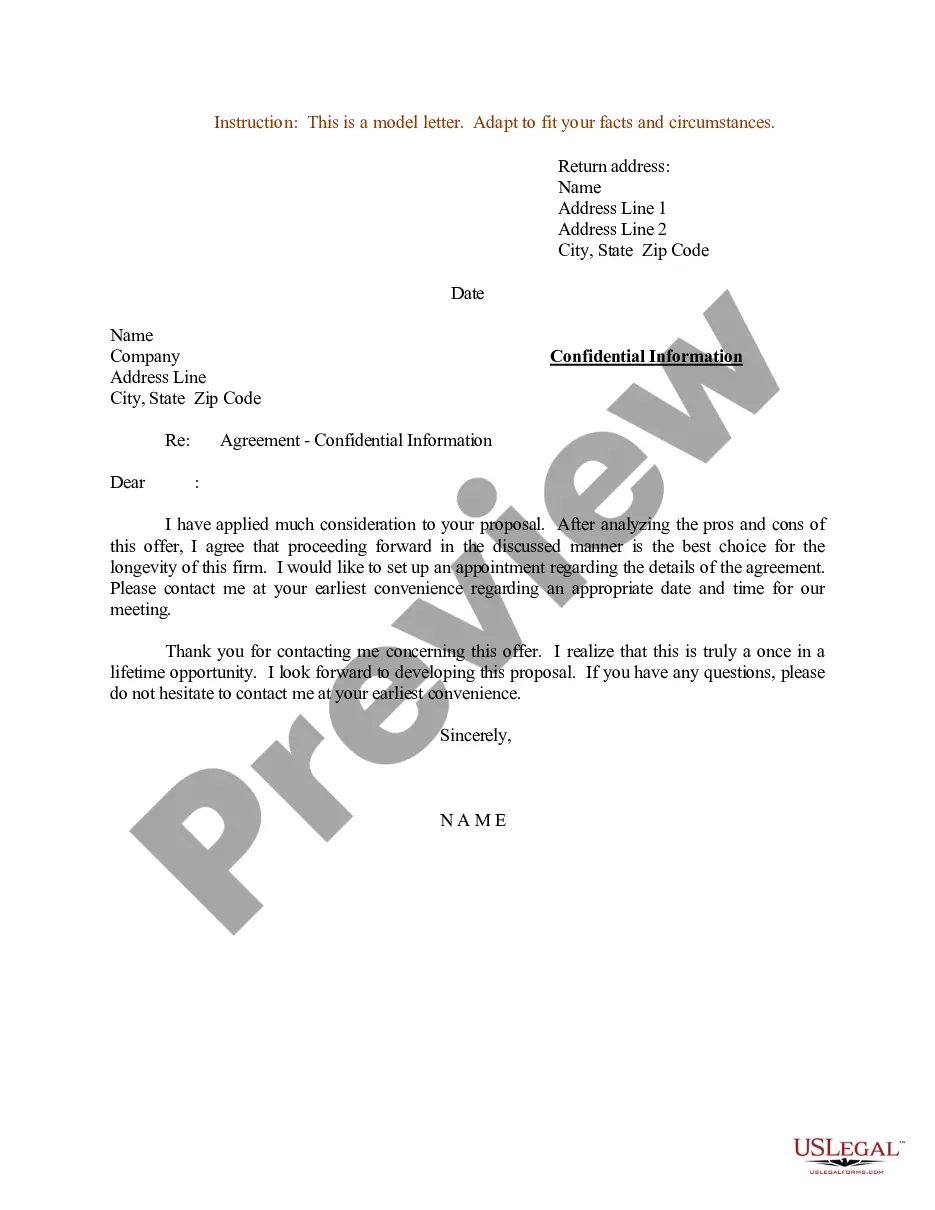
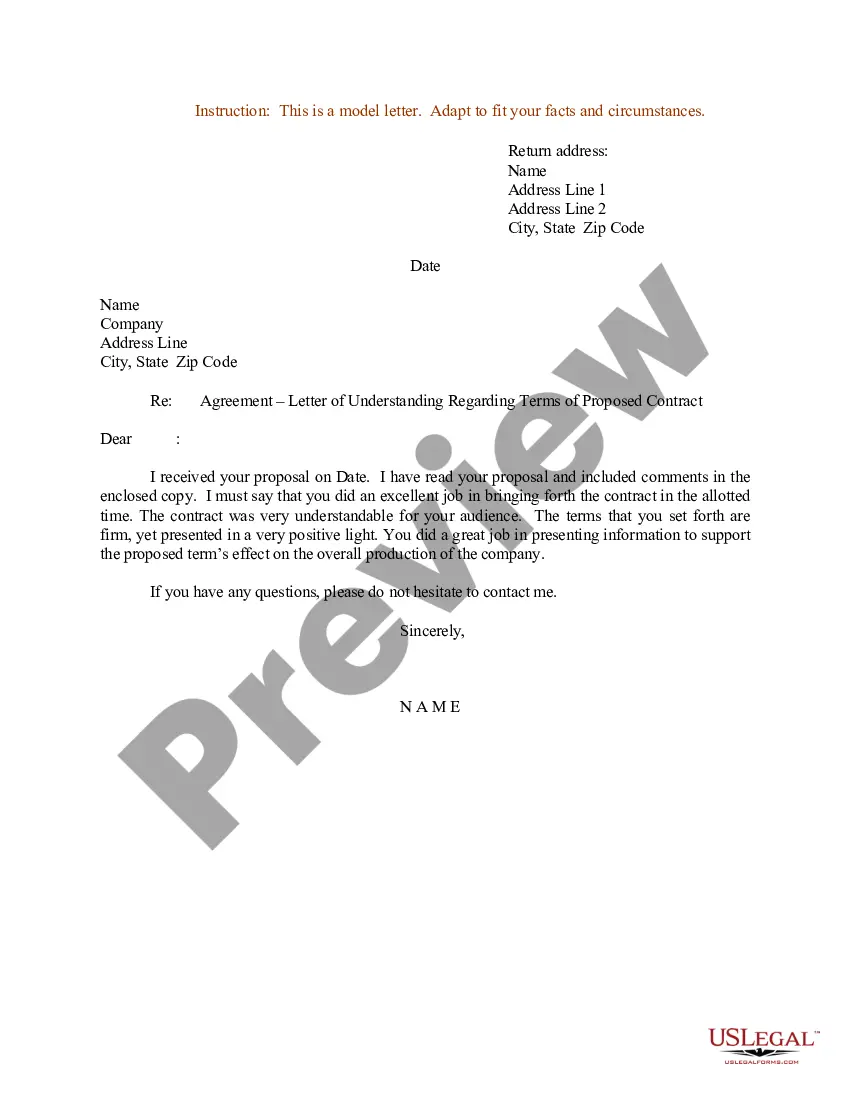
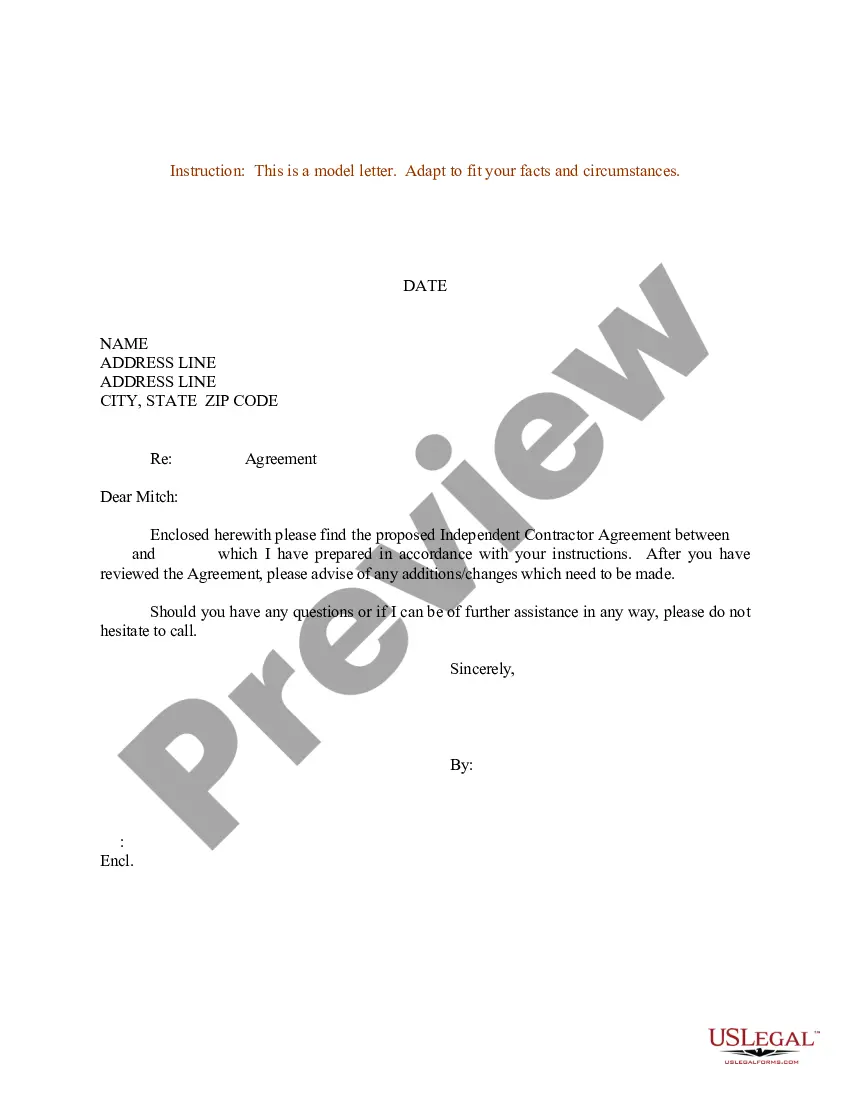
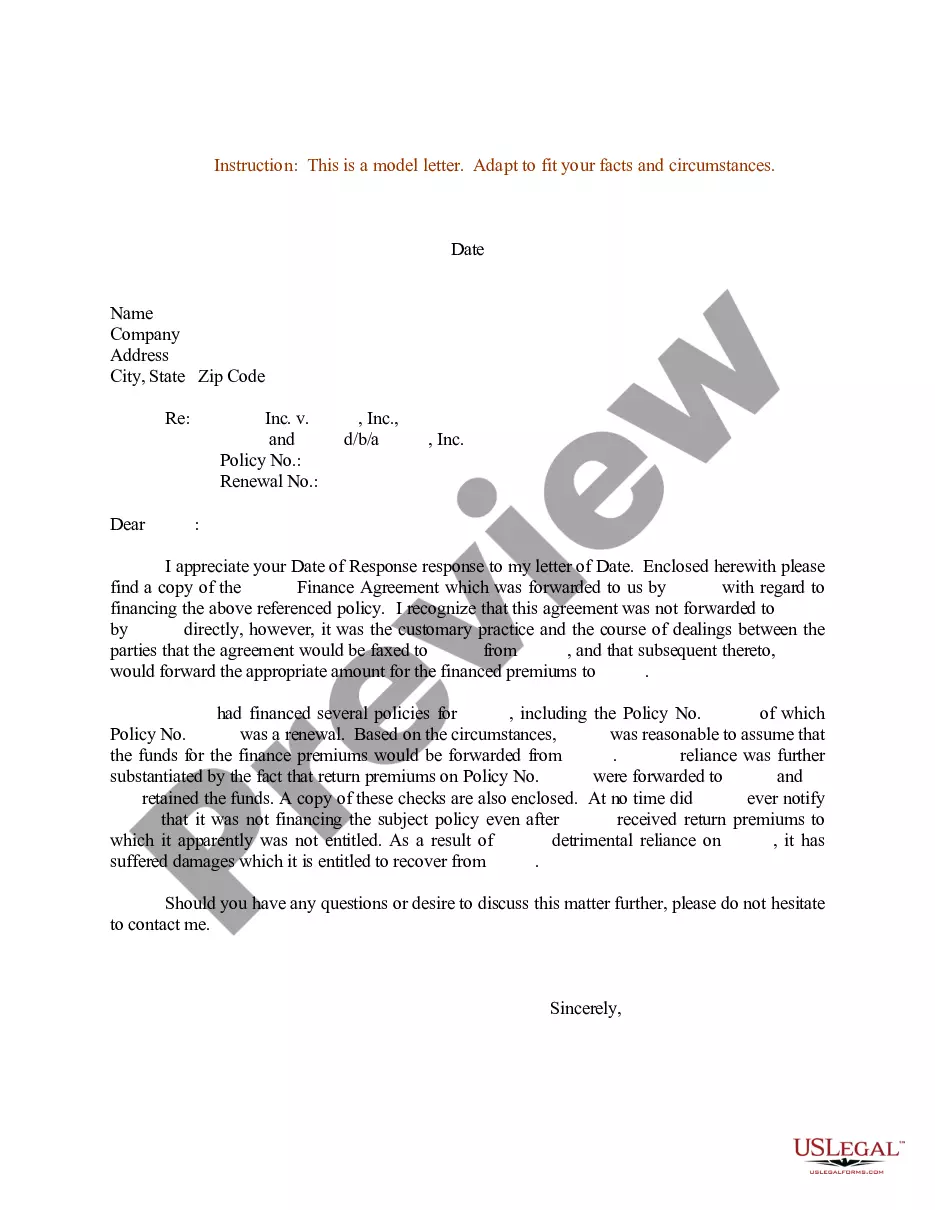
How To Write a Letter of Agreement Begin With the Basics. Start by listing the date, the names, and contact information of all parties involved. Define the Scope. Set the Timeline. Outline Payment Details. Incorporate Legal Clauses. Detail Dispute Resolution. Termination Conditions. Close With Signatures.
Essential components of an agreement letter include job title, personal information, employer details, start date, compensation, benefits, non-disclosure, non-compete clauses, and terms for termination and dispute resolution.
A: A Letter of Agreement is a legally binding document exactly like a contract. LoAs tend to be shorter, with less provisions and clauses. With less detail than a huge 50+ page contract, parties could be more exposed to risk when using a Letter of Agreement.
Write the contract in six steps Start with a contract template. Open with the basic information. Describe in detail what you have agreed to. Include a description of how the contract will be ended. Write into the contract which laws apply and how disputes will be resolved. Include space for signatures.
I am writing to remind you of the outstanding payment for Invoice No. X, dated Invoice Date, in the amount of Amount Due. As of today, Date, this payment is Number of Days days overdue. Despite our previous reminders sent on Dates, we have not yet received this payment.

