Agreement Letter For Utang In Michigan
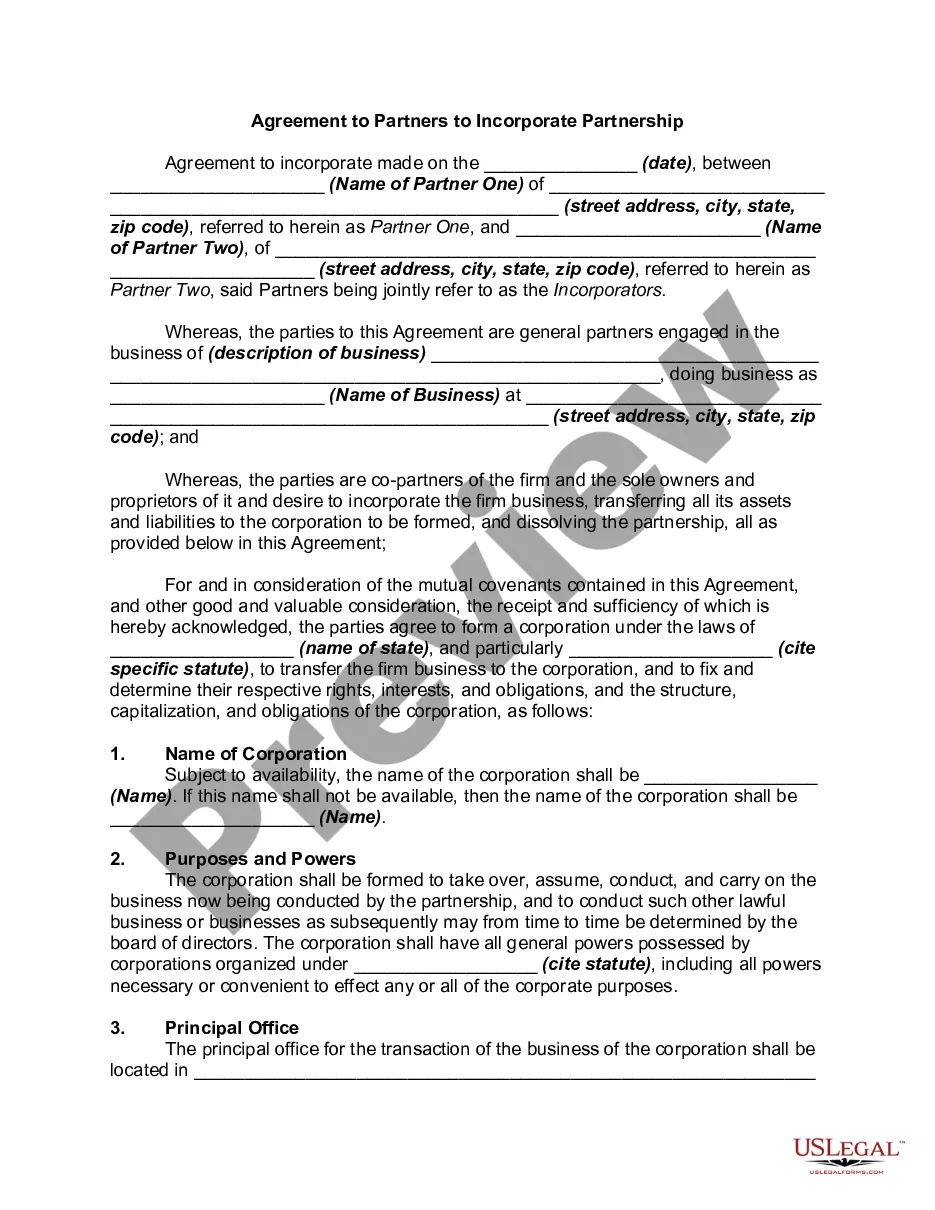
Description
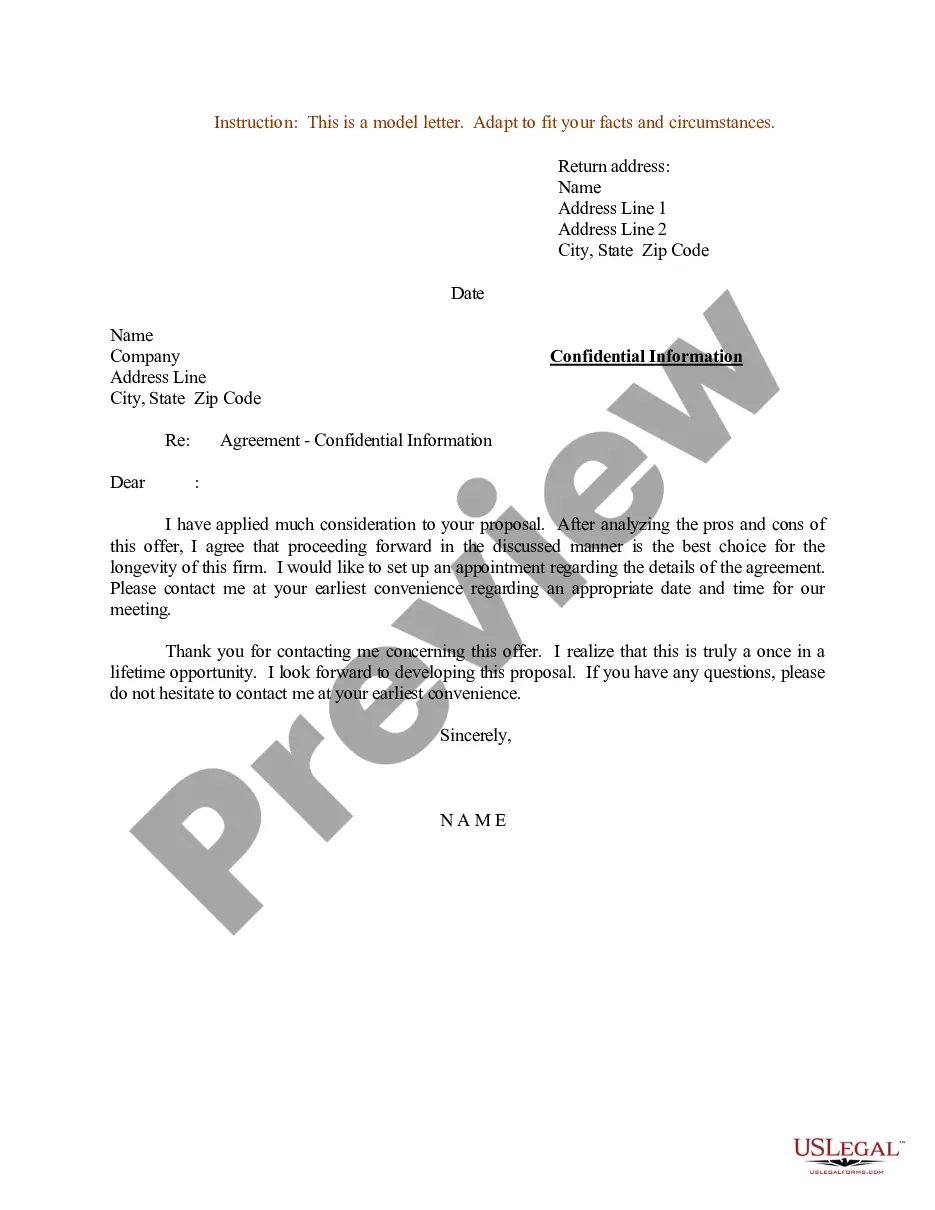

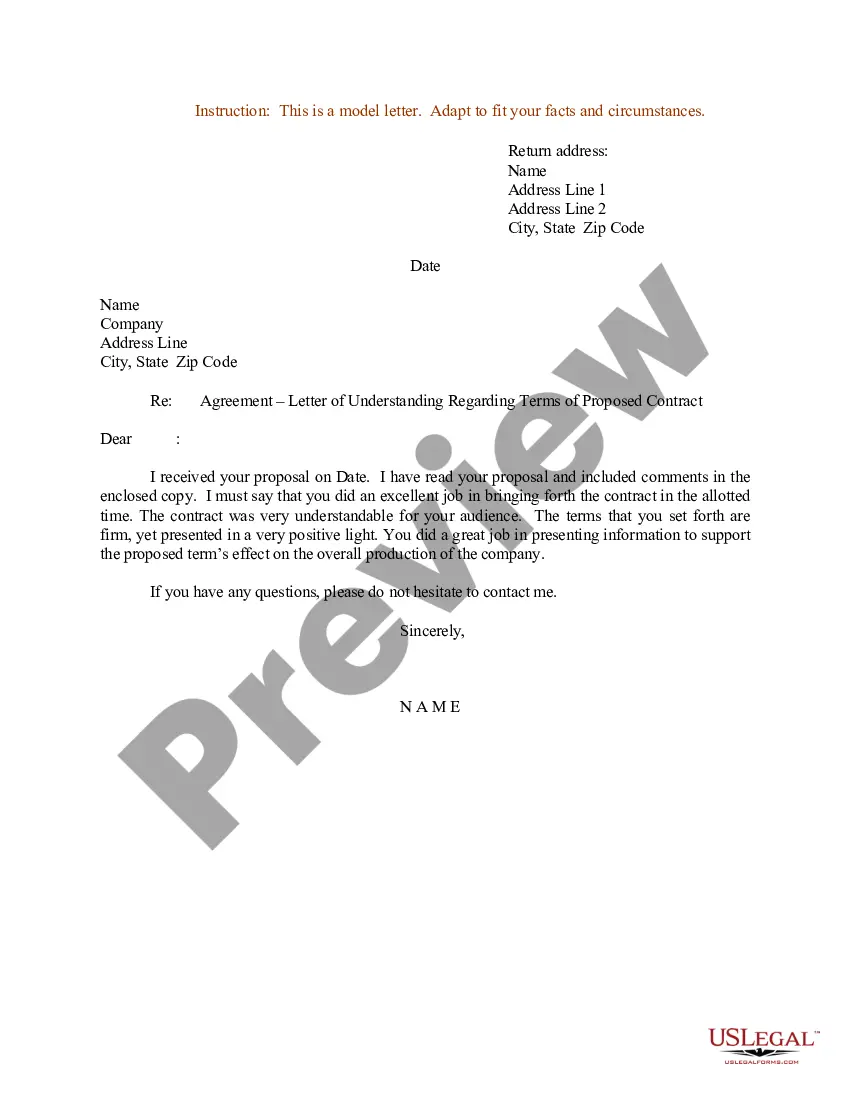
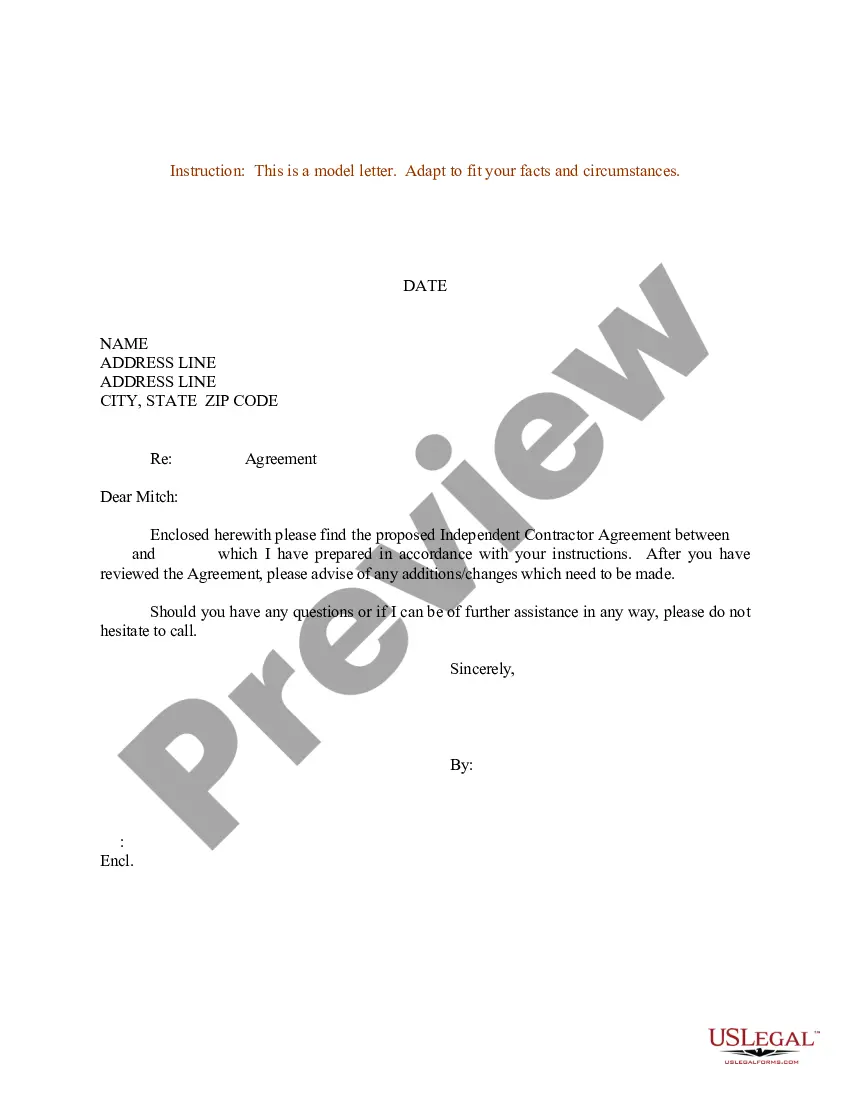
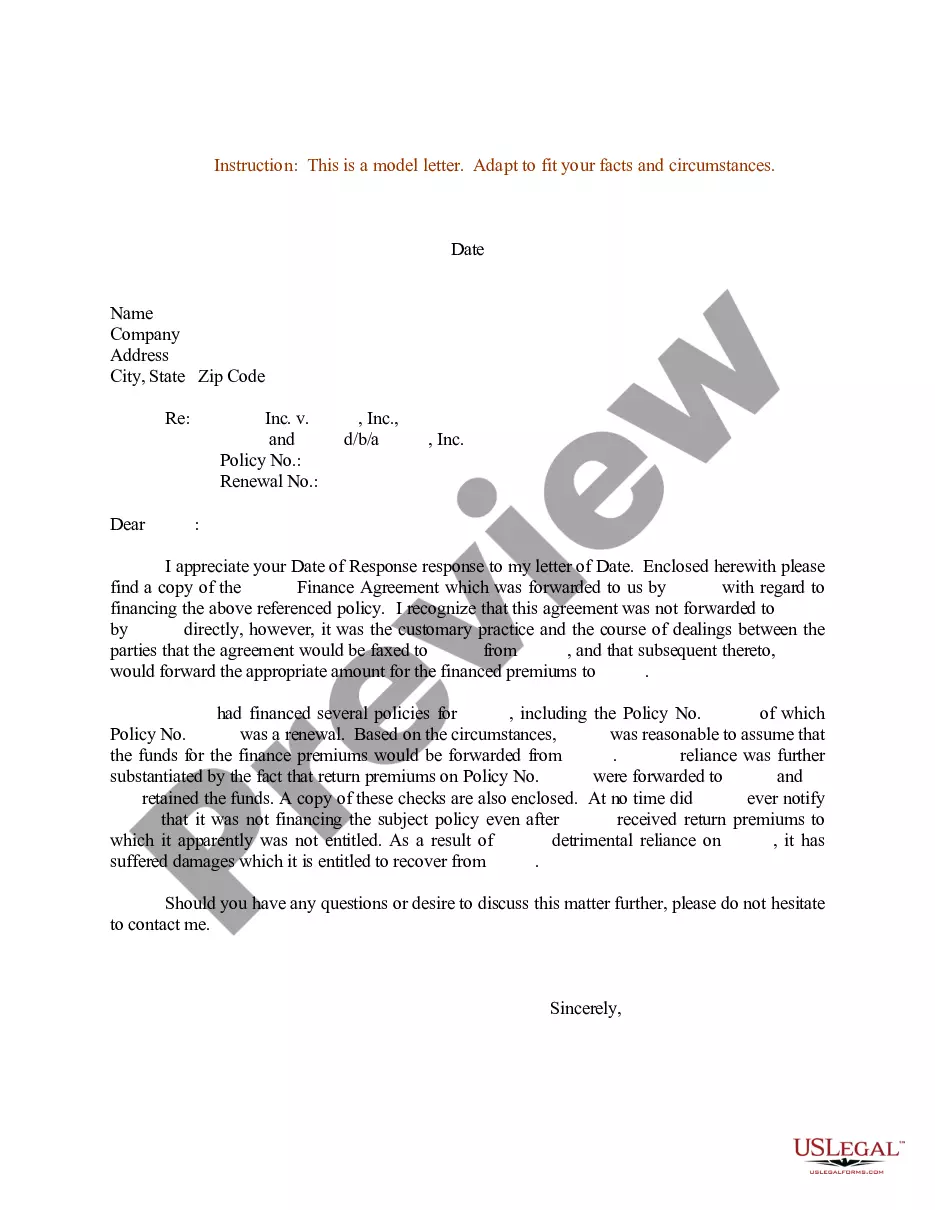
Get your form ready online
Our built-in tools help you complete, sign, share, and store your documents in one place.
Make edits, fill in missing information, and update formatting in US Legal Forms—just like you would in MS Word.
Download a copy, print it, send it by email, or mail it via USPS—whatever works best for your next step.
Sign and collect signatures with our SignNow integration. Send to multiple recipients, set reminders, and more. Go Premium to unlock E-Sign.
If this form requires notarization, complete it online through a secure video call—no need to meet a notary in person or wait for an appointment.
We protect your documents and personal data by following strict security and privacy standards.

Make edits, fill in missing information, and update formatting in US Legal Forms—just like you would in MS Word.

Download a copy, print it, send it by email, or mail it via USPS—whatever works best for your next step.

Sign and collect signatures with our SignNow integration. Send to multiple recipients, set reminders, and more. Go Premium to unlock E-Sign.

If this form requires notarization, complete it online through a secure video call—no need to meet a notary in person or wait for an appointment.

We protect your documents and personal data by following strict security and privacy standards.
Looking for another form?







Form popularity
FAQ
You don't need to have a witness or notary for a Michigan promissory note. However, doing so does add an extra layer of authentication.
To write a simple contract, title it clearly, identify all parties and specify terms (services or payments). Include an offer, acceptance, consideration, and intent. Add a signature and date for enforceability. Written contracts reduce disputes and offer better legal security than verbal ones.
Common reasons a letter/notice may be sent include (but, not limited to): We adjusted your return. We need additional information. We received information from the Internal Revenue Service (IRS)
The State Court Administrative Office (SCAO) is the administrative agency of the Michigan Supreme Court (Article VI, Section 3 of the Michigan Constitution). The Supreme Court has administrative oversight of Michigan courts and exercises that oversight through the SCAO.
The Supreme Court is Michigan's court of last resort, consisting of seven justices. Each year, the Supreme Court receives over 2,000 applications for leave to appeal from litigants primarily seeking review of decisions by the Michigan Court of Appeals. The Supreme Court's authority to hear cases is discretionary.
General Civil Claims of $25,000 or less are handled in District Court. Claims greater than $25,000 are handled in Circuit Court. Municipal Courts typically only handle claims up to $1,500 (municipality may pass a resolution allowing courts to hear claims up to $3,000).
Purpose and Functions of the Michigan Supreme Court Called the "Court of Last Resort" because it is the highest court in Michigan (the United States Supreme Court is the only court higher than a state supreme court). The Michigan Supreme Court is comprised of seven elected justices that serve eight-year terms.
The State Court Administrative Office (SCAO) is the administrative agency of the Michigan Supreme Court (Article VI, Section 3 of the Michigan Constitution). The Supreme Court has administrative oversight of Michigan courts and exercises that oversight through the SCAO.

