Agreement Letter Format In Hindi In Massachusetts
Description
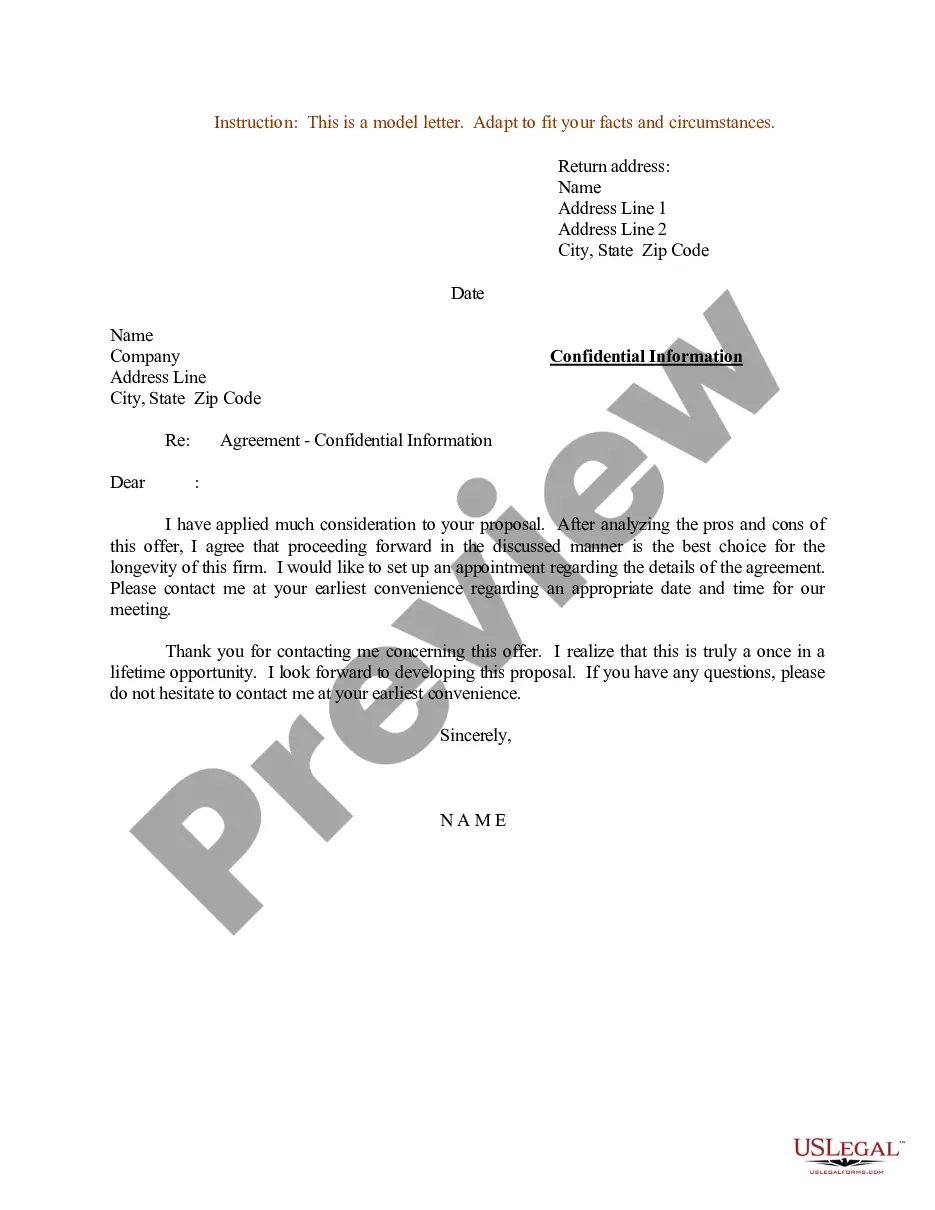
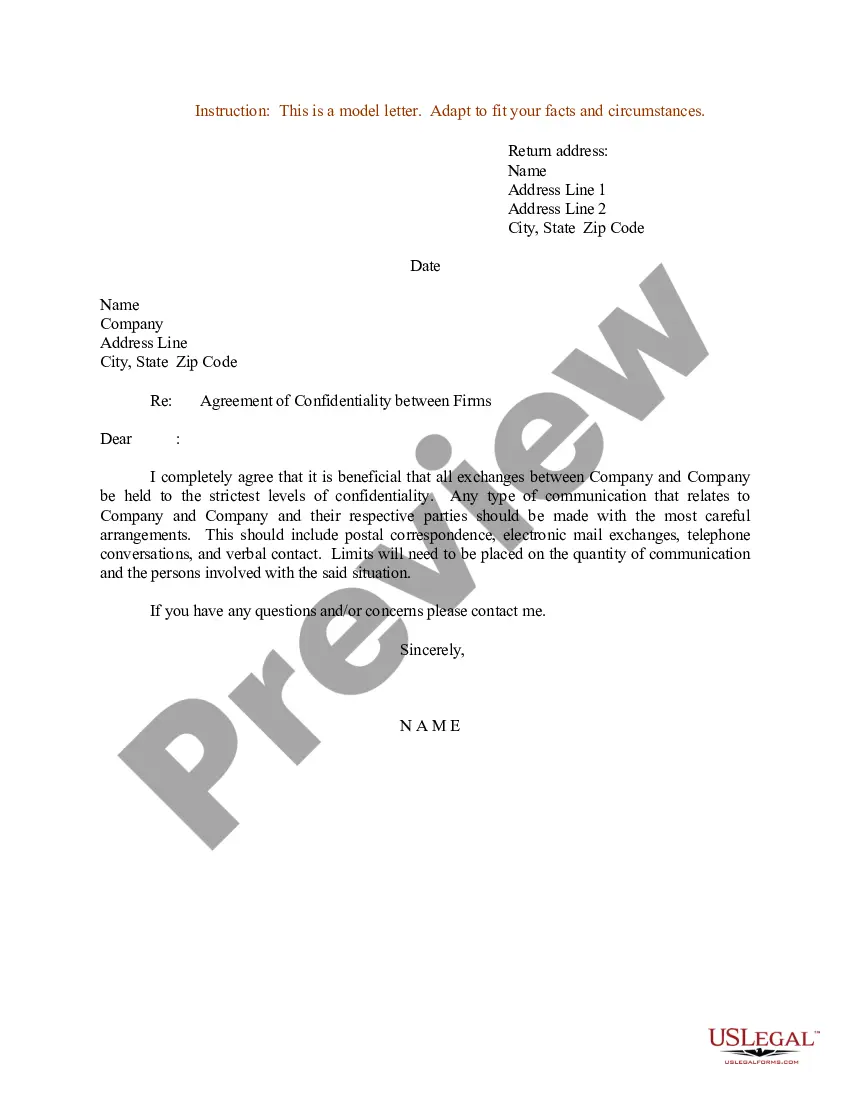
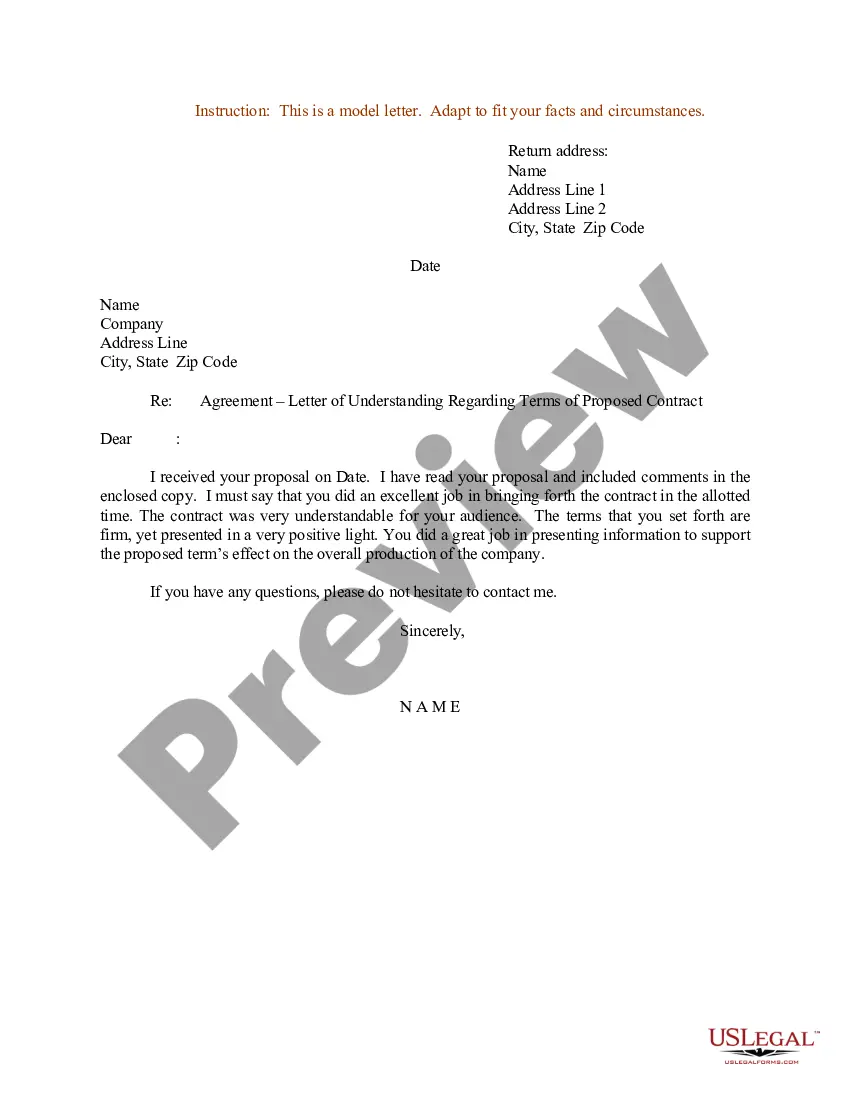
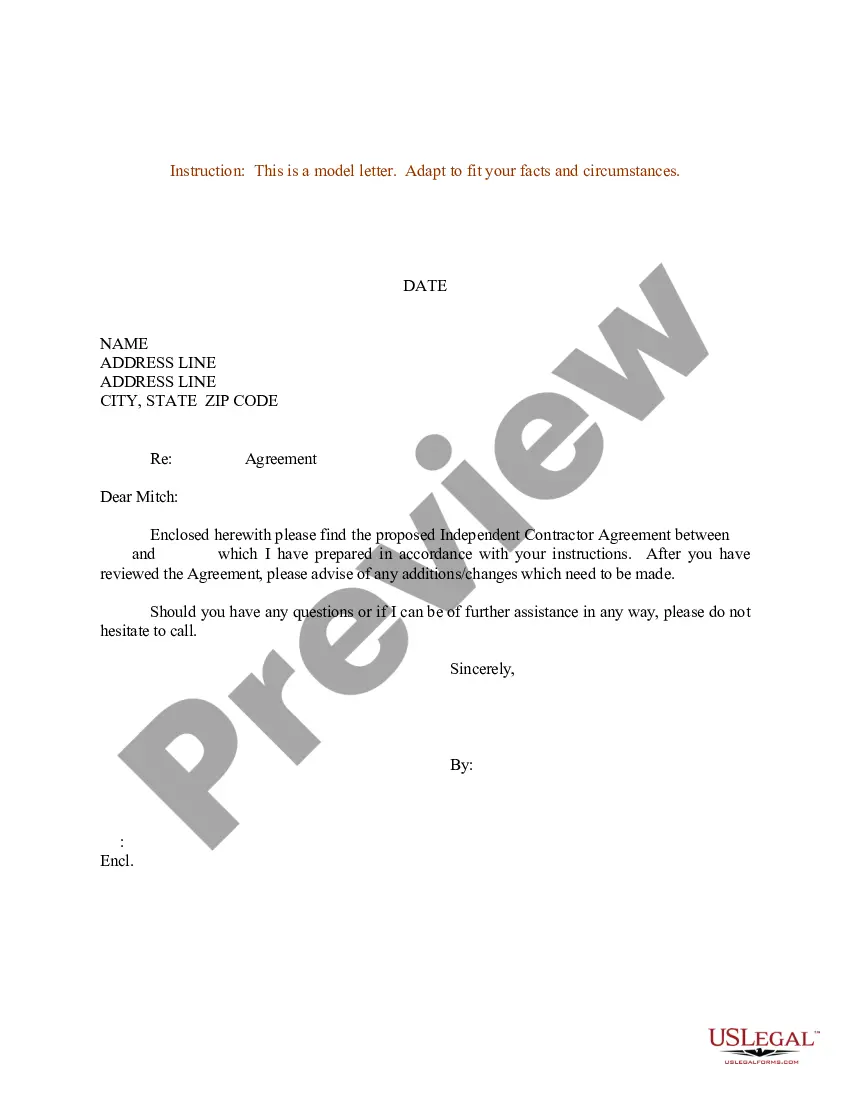
Get your form ready online
Our built-in tools help you complete, sign, share, and store your documents in one place.
Make edits, fill in missing information, and update formatting in US Legal Forms—just like you would in MS Word.
Download a copy, print it, send it by email, or mail it via USPS—whatever works best for your next step.
Sign and collect signatures with our SignNow integration. Send to multiple recipients, set reminders, and more. Go Premium to unlock E-Sign.
If this form requires notarization, complete it online through a secure video call—no need to meet a notary in person or wait for an appointment.
We protect your documents and personal data by following strict security and privacy standards.

Make edits, fill in missing information, and update formatting in US Legal Forms—just like you would in MS Word.

Download a copy, print it, send it by email, or mail it via USPS—whatever works best for your next step.

Sign and collect signatures with our SignNow integration. Send to multiple recipients, set reminders, and more. Go Premium to unlock E-Sign.

If this form requires notarization, complete it online through a secure video call—no need to meet a notary in person or wait for an appointment.

We protect your documents and personal data by following strict security and privacy standards.
Looking for another form?






Form popularity
FAQ
Specific intent means that “a defendant must not only have consciously intended to take certain actions, but that he also consciously intended certain consequences.” Commonwealth v. Gunter, 427 Mass.
Disadvantages of Using a Letter of Intent The possibility of an LOI becoming legally binding. If the deal doesn't go through, a letter of intent may have negative business consequences for the selling business/company. Even though an LOI helps establish good faith between the parties, it is not always the case.
A Letter of Intent (LOI) sent by an employer to a prospective candidate signifies the employer's intention to extend a job offer. It's important to clarify that an LOI is not a binding offer; instead, it outlines the employer's intent to make a formal offer upon certain conditions or criteria being met.
Closing: End your letter with a closing statement such as "आशीर्वाद की कामना करता हूँ" (Sending blessings) or "आपका" (Yours sincerely).
A letter of intent is a document outlining the intentions of two or more parties to do business together; it is often non-binding unless the language in the document specifies that the companies are legally bound to the terms.
How To Write a Letter of Agreement Begin With the Basics. Start by listing the date, the names, and contact information of all parties involved. Define the Scope. Set the Timeline. Outline Payment Details. Incorporate Legal Clauses. Detail Dispute Resolution. Termination Conditions. Close With Signatures.
How to write an agreement letter Title your document. Provide your personal information and the date. Include the recipient's information. Address the recipient and write your introductory paragraph. Write a detailed body. Conclude your letter with a paragraph, closing remarks, and a signature. Sign your letter.
A letter of intent (also known as an LOI) is often written to initiate a business transaction and help define expectations with customers, partners, and vendors before creating a binding agreement.
How to Write an Agreement in Microsoft Word Draft Your Agreement in a Proper Layout. An agreement is a formal document for business purposes. State the Agreement's Involved Parties and Obligations. Use Suitable Formats for Different Sections. Add Signatures to Your Agreement Document.
Outlining the main provisions Identify the parties involved and define their roles in the agreement. Define the purpose and duration of the agreement. Outline the rights and responsibilities of each party. Describe any duties of confidentiality, indemnity, and compensation. Establish dispute resolution procedures.

