Agreement Letter For Employee In Massachusetts
Description
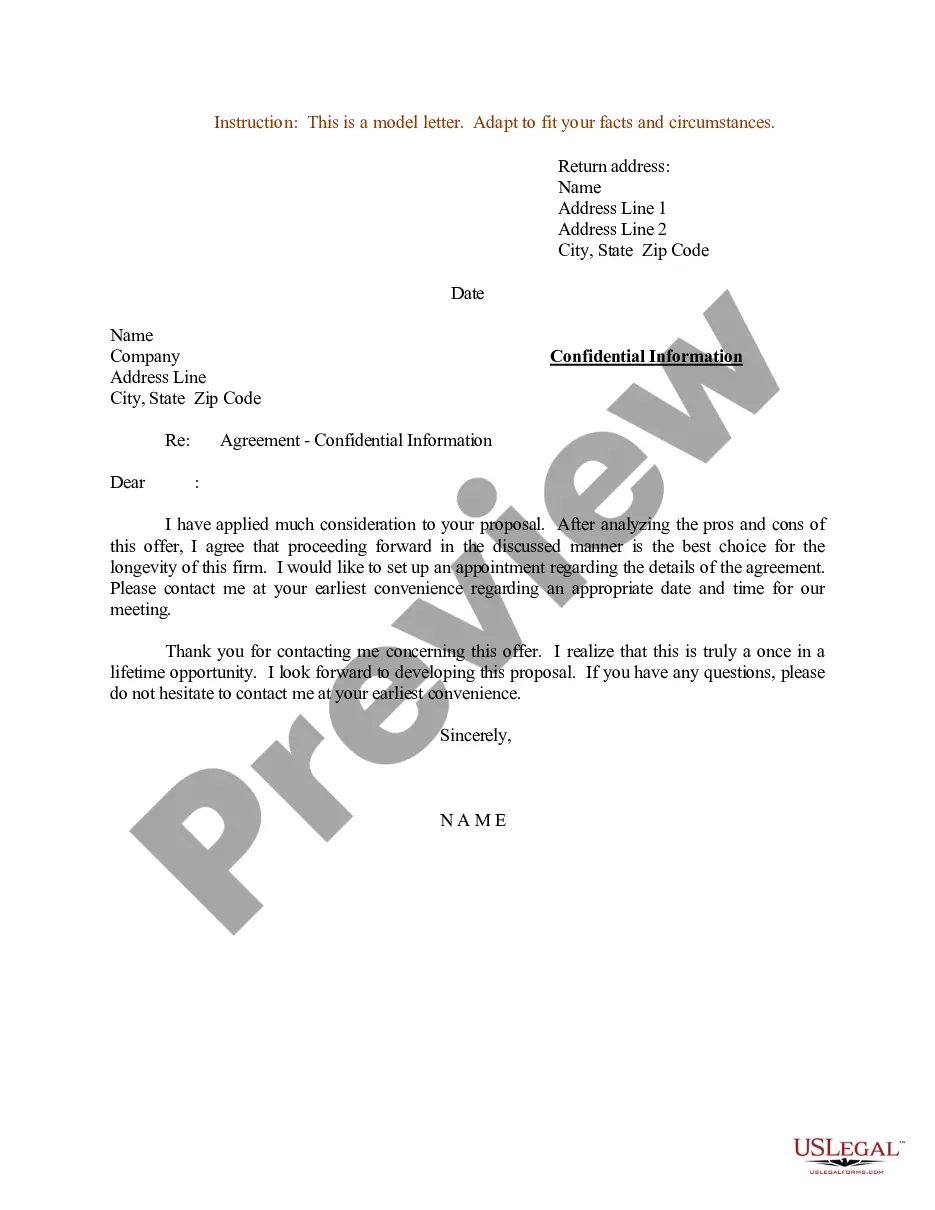

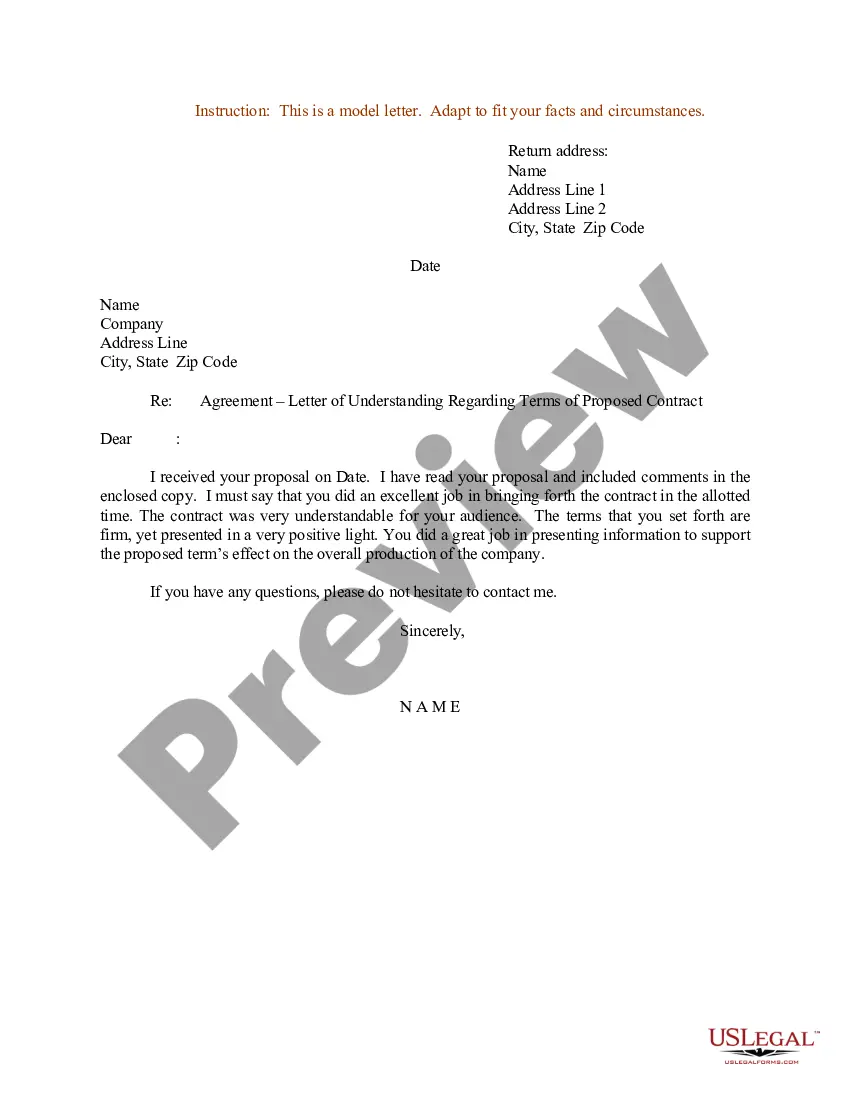
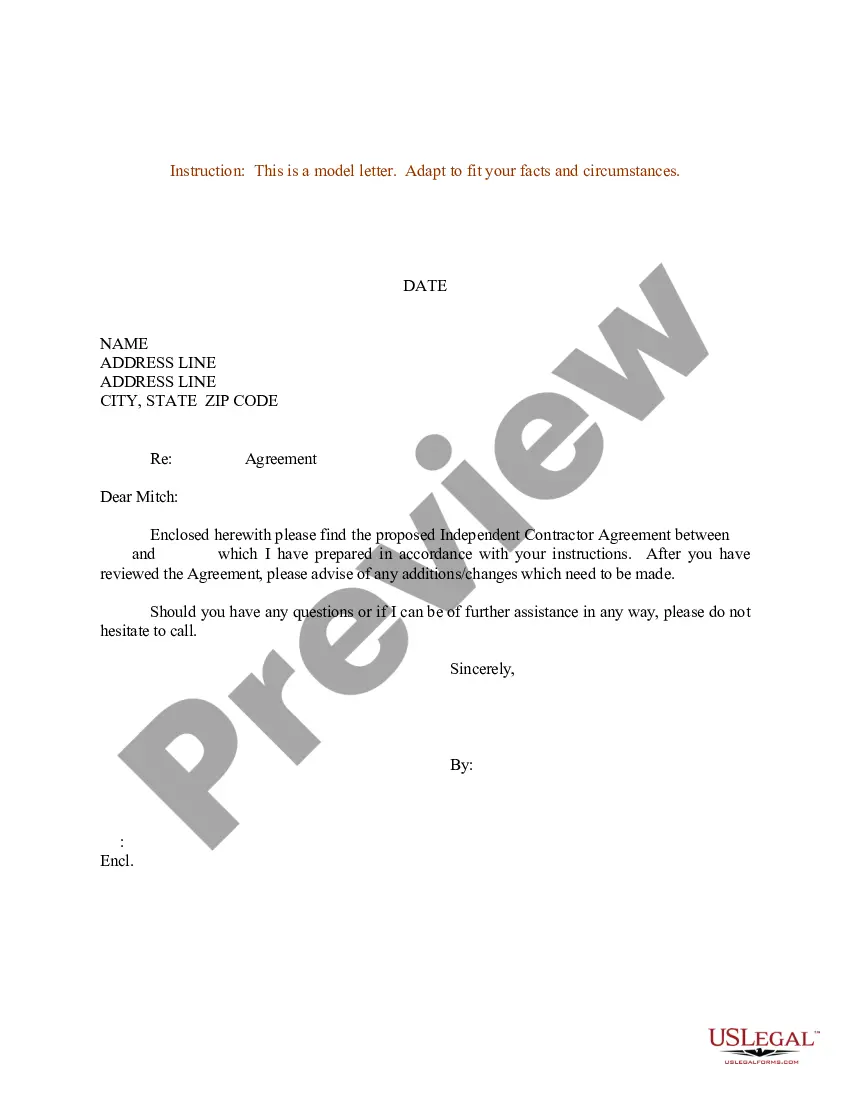
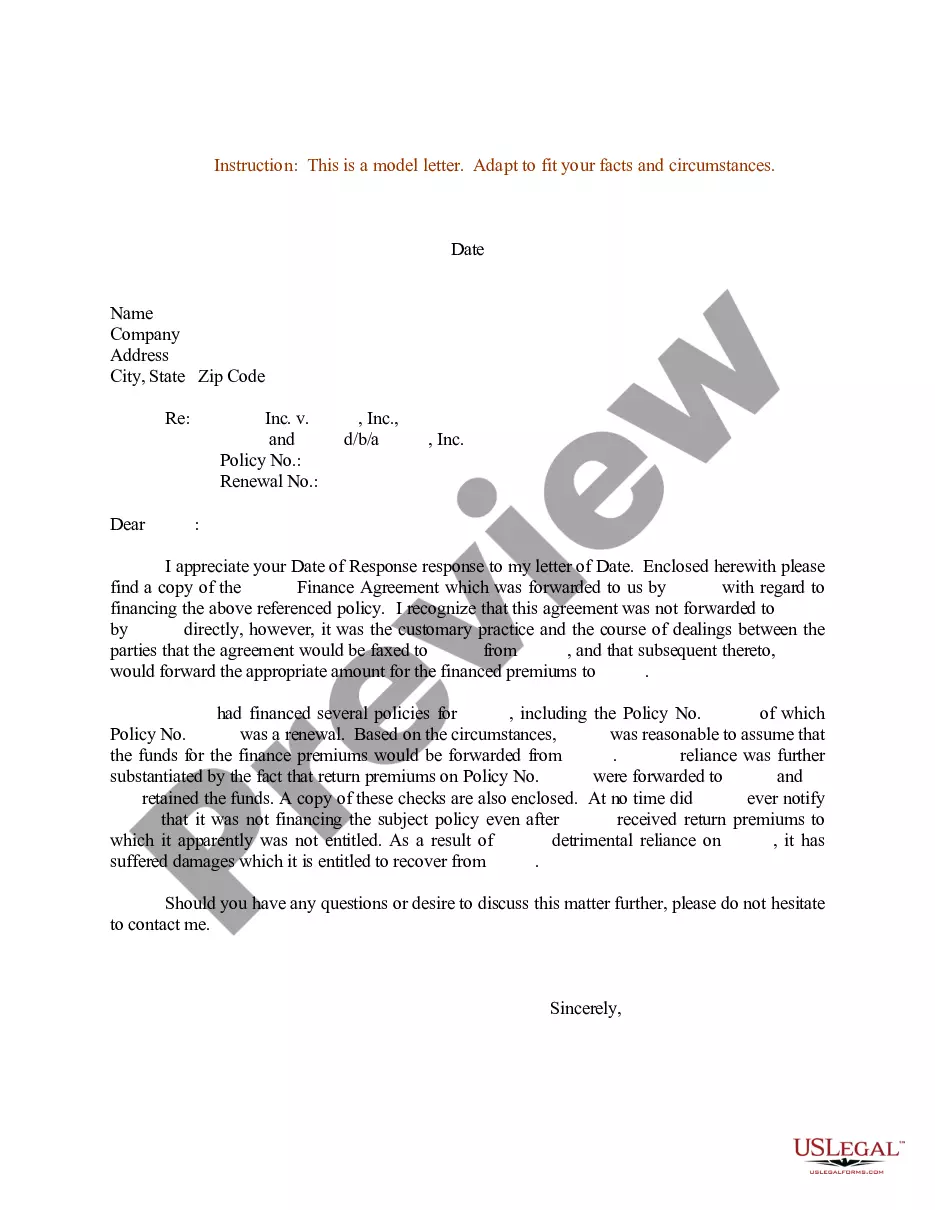
Get your form ready online
Our built-in tools help you complete, sign, share, and store your documents in one place.
Make edits, fill in missing information, and update formatting in US Legal Forms—just like you would in MS Word.
Download a copy, print it, send it by email, or mail it via USPS—whatever works best for your next step.
Sign and collect signatures with our SignNow integration. Send to multiple recipients, set reminders, and more. Go Premium to unlock E-Sign.
If this form requires notarization, complete it online through a secure video call—no need to meet a notary in person or wait for an appointment.
We protect your documents and personal data by following strict security and privacy standards.

Make edits, fill in missing information, and update formatting in US Legal Forms—just like you would in MS Word.

Download a copy, print it, send it by email, or mail it via USPS—whatever works best for your next step.

Sign and collect signatures with our SignNow integration. Send to multiple recipients, set reminders, and more. Go Premium to unlock E-Sign.

If this form requires notarization, complete it online through a secure video call—no need to meet a notary in person or wait for an appointment.

We protect your documents and personal data by following strict security and privacy standards.
Looking for another form?






Form popularity
FAQ
Forms and notices for newly-hired employees Form I-9 Employment eligibility verification form, U.S. Department of Homeland Security. Form M-4: Massachusetts employee's withholding exemption certificate, Mass. Form NHR: New hire and independent contractor reporting form, Mass. Form W2 Federal tax withholding, IRS.
Your letter should include: The date. Be addressed to the person with whom you're entering the agreement. Basic details of the work to be completed. Any special instructions or stipulations. Information about whether another agreement will come after the letter. A place for both parties to sign.
Guide to writing contracts of employment Names of the parties. The full details of the business, and the employee's full name and address. Employment contract start date. Employee's job title and description. Workplace. Working hours. Probationary period. Salary. Deductions.
How to Write a Letter of Agreement Start with Basic Information. Define Employment Terms. Outline Compensation and Benefits. Include Non-Disclosure and Non-Compete Clauses. Address the Probationary Period (if applicable). Set the Code of Conduct and Policies. Explain Termination Conditions. Detail Severance Terms:
How to write a contract letter Create an introduction. Detail position information. Discuss compensation and benefits. Describe terms of employment. Add training or probationary information. Highlight additional agreements. Inform about agreement decision. Add signature information.
A Massachusetts employment contract is a legally binding agreement entered into by an employer and an employee. This agreement lays out the specific rights and obligations of both parties throughout the employment relationship.
How to write a letter of employment: Include employer and requesting organisation details. Provide employee information (name, job title, employment dates). Follow a formal business letter format. Clearly state the letter's purpose. Include any additional requested details. Provide contact information and sign off.
A signed offer letter can serve as a contract, but many offer letters include language giving the employer the right to modify terms. While specific promises made by the employer are not the same as an employment contract, they may be enforced under certain limited circumstances if you reasonably relied on them.
The Massachusetts employment contract signifies recent employment within an organization. Issued by the employer, the contract will declare the position, wage, and benefits for the new employee. Once both parties are in ance with the terms, employment will be established.
Yes, writing a termination letter to an employee is often required by HR as part of the official procedure to terminate their job. This document helps safeguard the interests of both the employer and the employee and performs numerous significant functions.

