Agreement Letter For Child Support In Houston
Description
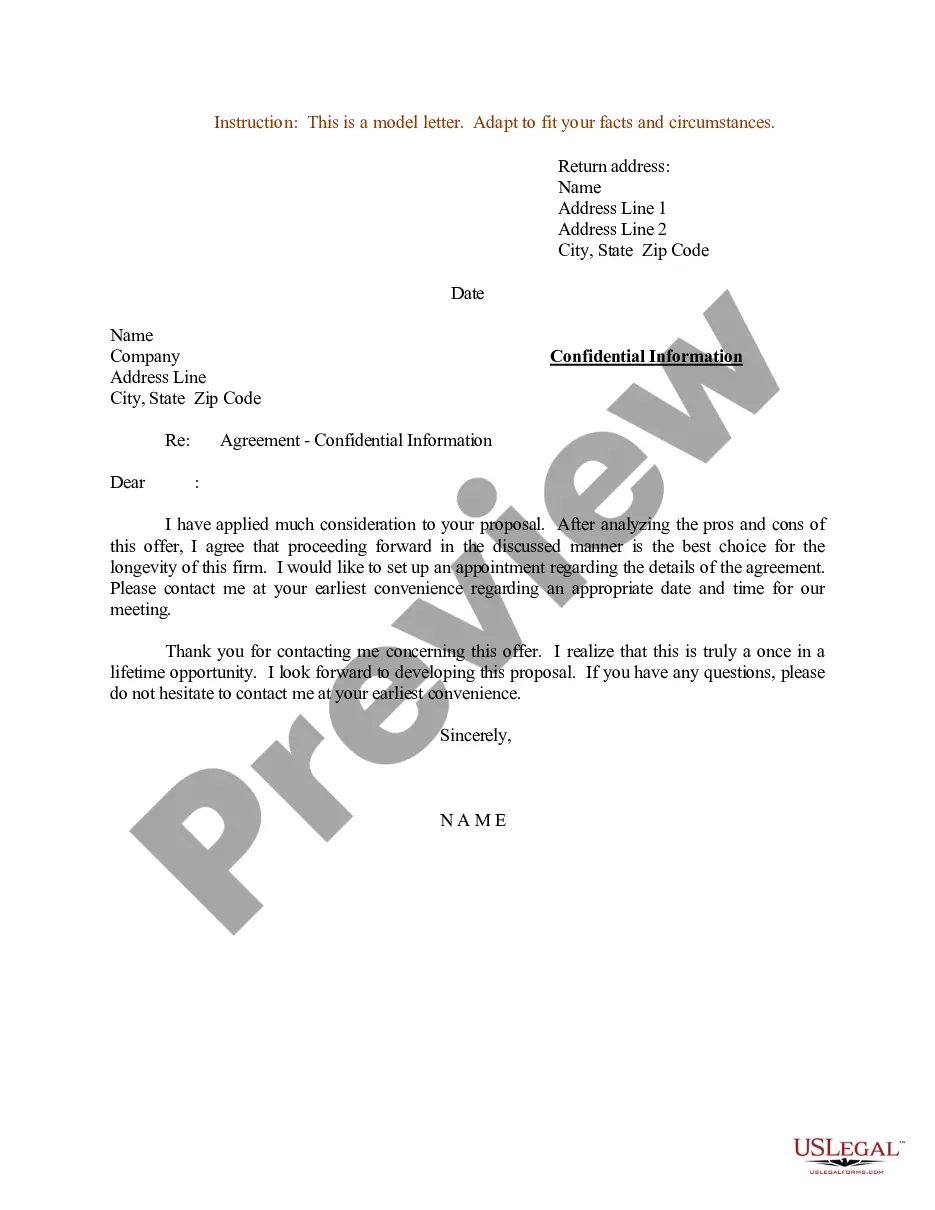
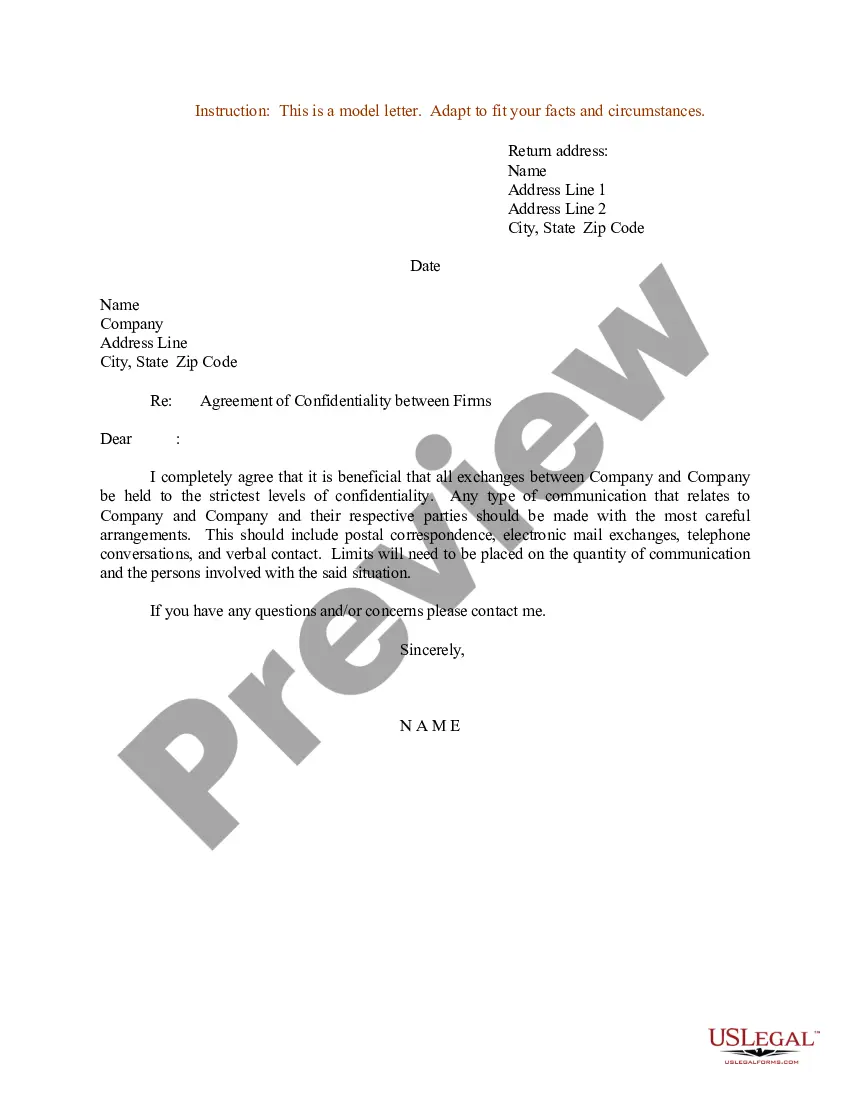
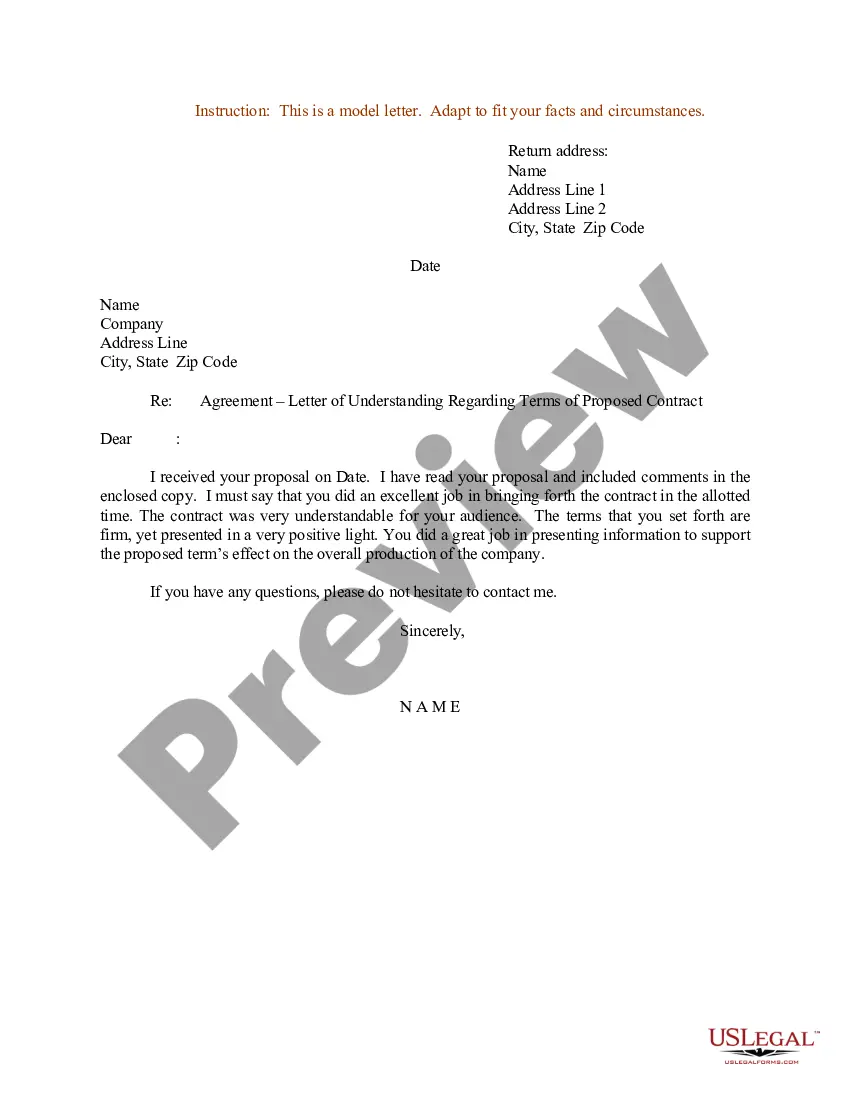
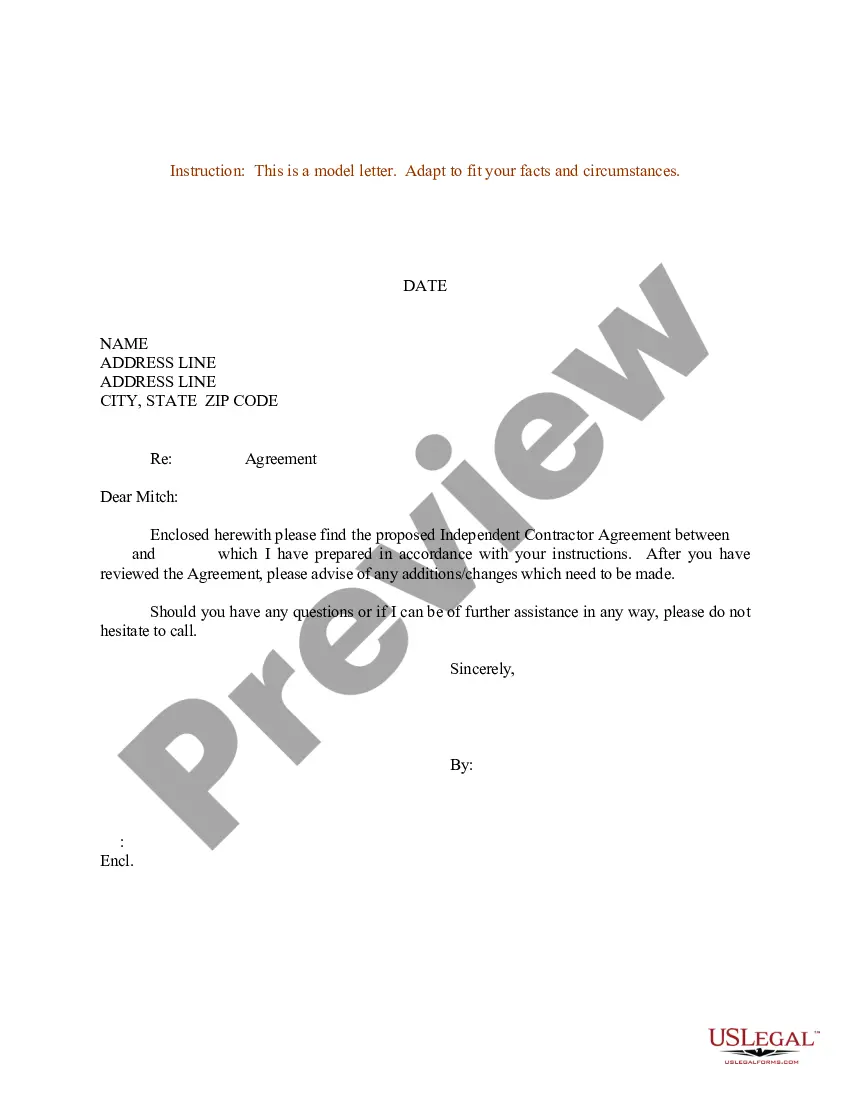
Get your form ready online
Our built-in tools help you complete, sign, share, and store your documents in one place.
Make edits, fill in missing information, and update formatting in US Legal Forms—just like you would in MS Word.
Download a copy, print it, send it by email, or mail it via USPS—whatever works best for your next step.
Sign and collect signatures with our SignNow integration. Send to multiple recipients, set reminders, and more. Go Premium to unlock E-Sign.
If this form requires notarization, complete it online through a secure video call—no need to meet a notary in person or wait for an appointment.
We protect your documents and personal data by following strict security and privacy standards.

Make edits, fill in missing information, and update formatting in US Legal Forms—just like you would in MS Word.

Download a copy, print it, send it by email, or mail it via USPS—whatever works best for your next step.

Sign and collect signatures with our SignNow integration. Send to multiple recipients, set reminders, and more. Go Premium to unlock E-Sign.

If this form requires notarization, complete it online through a secure video call—no need to meet a notary in person or wait for an appointment.

We protect your documents and personal data by following strict security and privacy standards.
Looking for another form?









Form popularity
FAQ
To get a copy of your custody order in Texas, you can contact the district clerk's office in the county where the custody case was filed. You can also search for your case number online using public access systems provided by the Texas court system.
Upon filing for child support, the noncustodial parent must be officially notified of the case – a process known as “service of process.” This step can take anywhere from a few weeks to several months, depending on the ease of locating and serving the noncustodial parent.
Here's the short answer: Yes, you can stop child support if both parents agree in Texas, but it's not as simple as just agreeing. A judge must approve the agreement to ensure it's in the child's best interest. Texas law doesn't let parents bypass the legal system, even if both parties agree on what's best.
In Texas, as in other states, child support payments are typically mandated by the court and guided by specific state laws.
In Texas, child support is a legal obligation typically enforced through court orders. However, parents may agree to support arrangements without involving the court. These informal agreements can be flexible and tailored to the family's needs but lack the legal enforcement of court-ordered payments.
Texas Law and Court Considerations While the mother can make a request to cancel the child support, the final decision lies with the court.
Here's the short answer: Yes, you can stop child support if both parents agree in Texas, but it's not as simple as just agreeing. A judge must approve the agreement to ensure it's in the child's best interest. Texas law doesn't let parents bypass the legal system, even if both parties agree on what's best.
How To File For Custody of a Child in Texas Step 1: Determine the Correct Court. Step 2: Complete the Required Forms. Step 3: File the Petition. Step 4: Serve the Other Parent. Step 5: Prepare for Mediation. Step 6: Attend the Court Hearing. Step 7: Follow the Court's Decision.
In a straightforward case, it typically takes about six to eight weeks after filing for child support to start receiving payments. There are exceptions, though, and sometimes it can take longer to begin receiving these payments.
On average, it takes six to eight weeks for a judge to sign the support order for payments to commence. However, this timeline can be longer due to: Legal complexities, such as disputes over paternity or financial assessments; Incomplete documentation or incorrect filing; and.

