Agreement Letter With Witness In Cook
Description


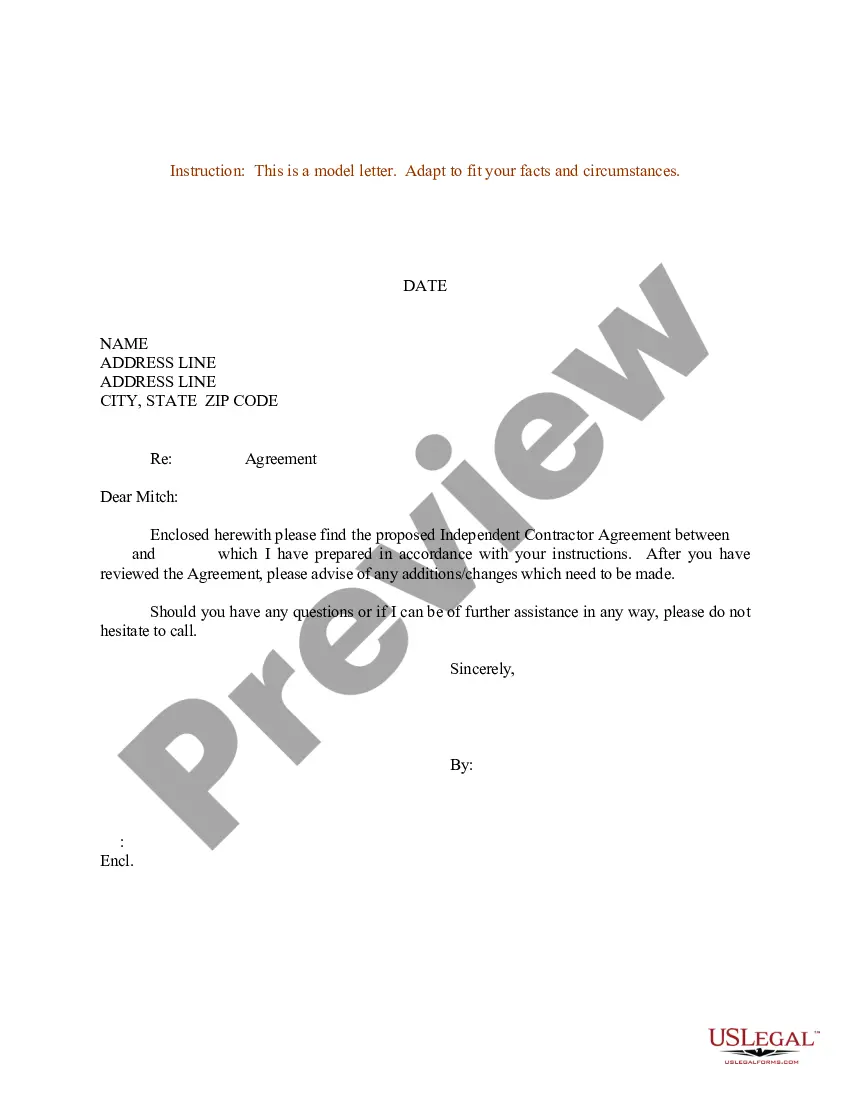
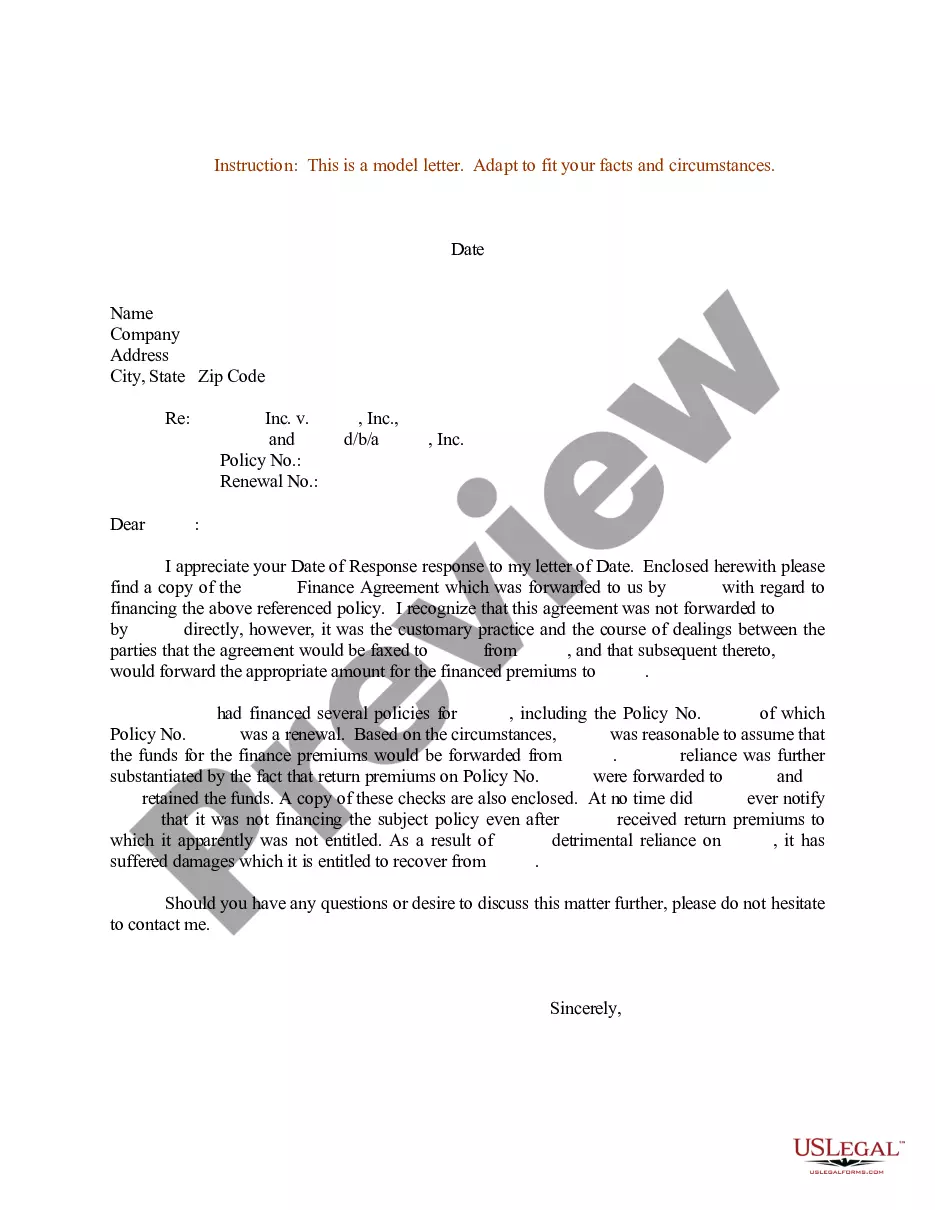
Get your form ready online
Our built-in tools help you complete, sign, share, and store your documents in one place.
Make edits, fill in missing information, and update formatting in US Legal Forms—just like you would in MS Word.
Download a copy, print it, send it by email, or mail it via USPS—whatever works best for your next step.
Sign and collect signatures with our SignNow integration. Send to multiple recipients, set reminders, and more. Go Premium to unlock E-Sign.
If this form requires notarization, complete it online through a secure video call—no need to meet a notary in person or wait for an appointment.
We protect your documents and personal data by following strict security and privacy standards.

Make edits, fill in missing information, and update formatting in US Legal Forms—just like you would in MS Word.

Download a copy, print it, send it by email, or mail it via USPS—whatever works best for your next step.

Sign and collect signatures with our SignNow integration. Send to multiple recipients, set reminders, and more. Go Premium to unlock E-Sign.

If this form requires notarization, complete it online through a secure video call—no need to meet a notary in person or wait for an appointment.

We protect your documents and personal data by following strict security and privacy standards.
Looking for another form?
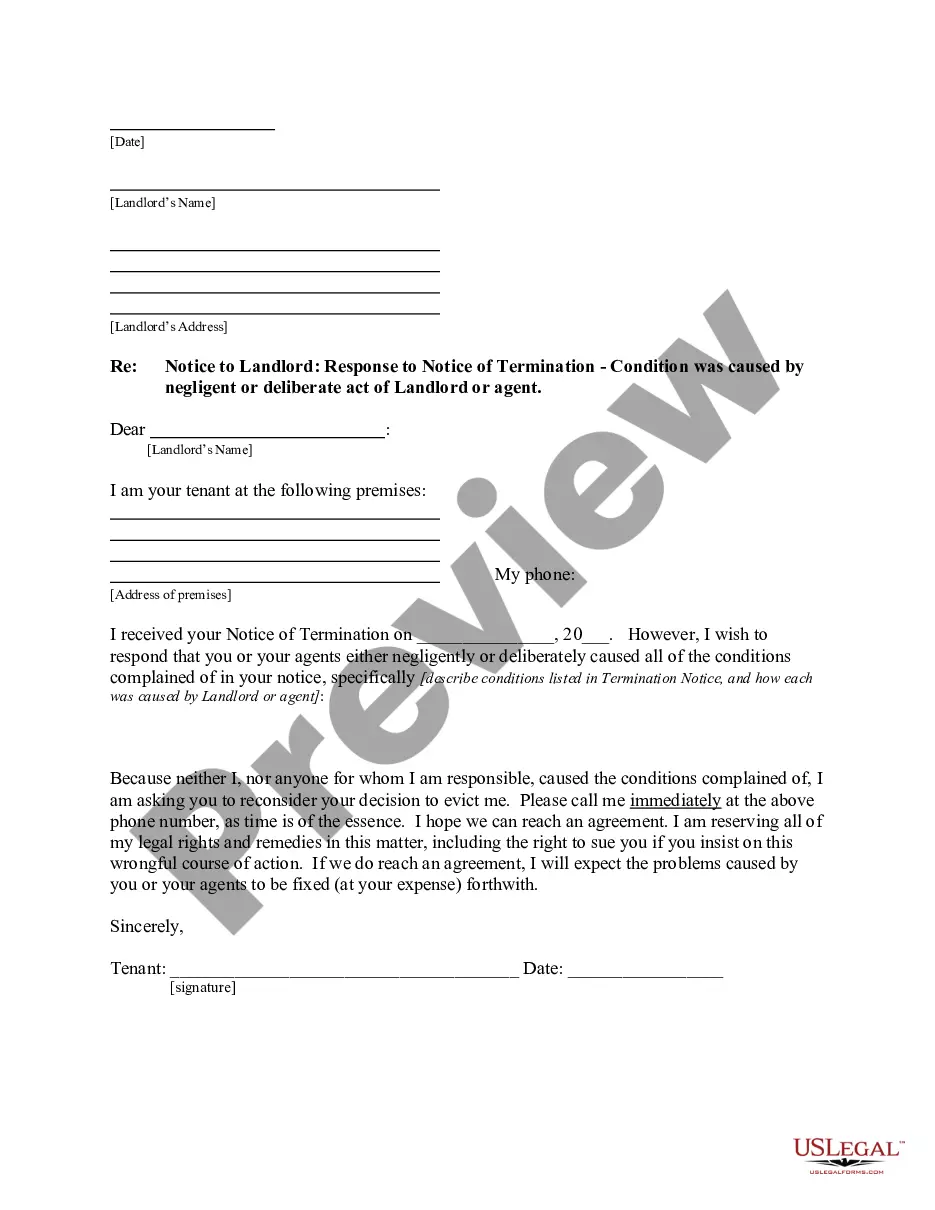
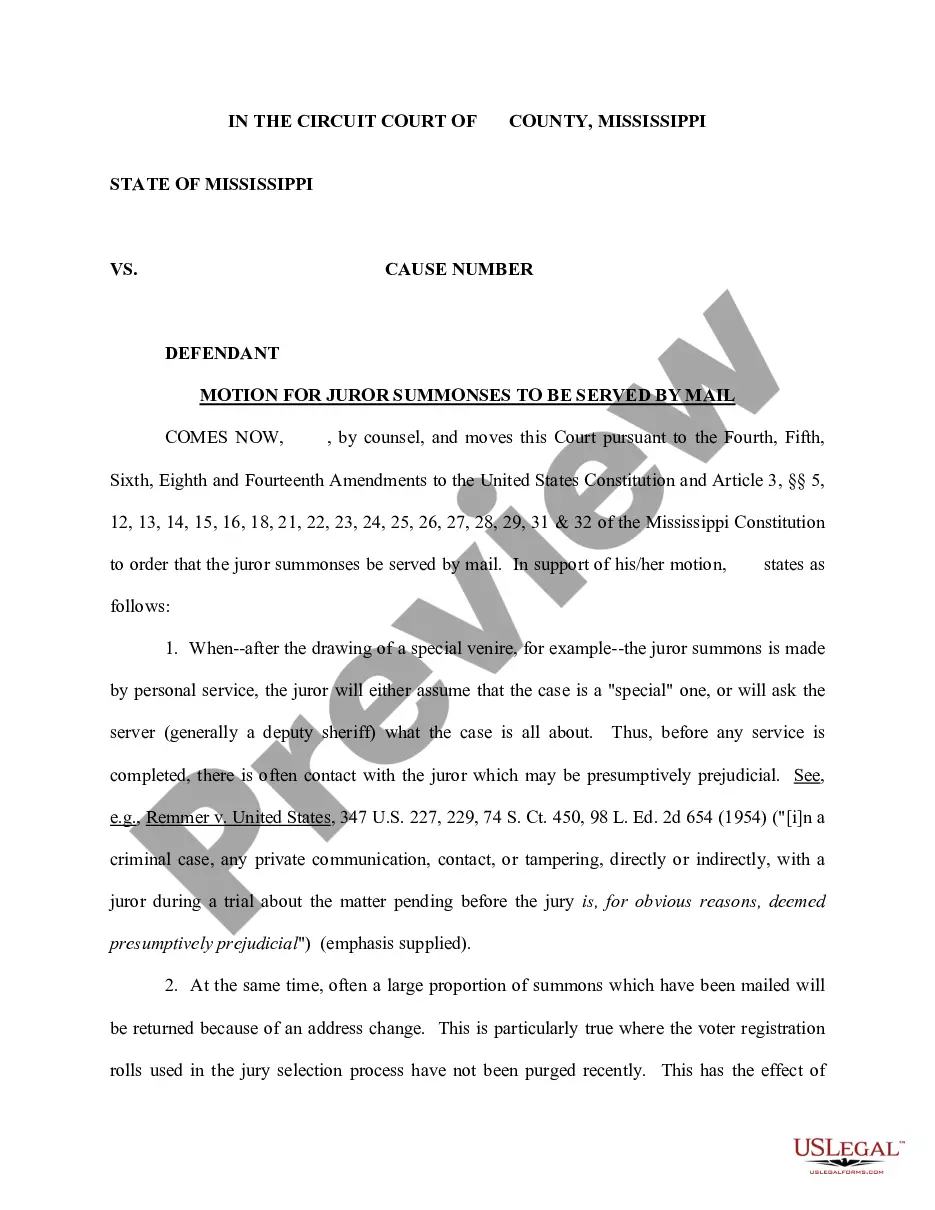


Form popularity
FAQ
Please write legibly and use one form per incident. 1 What happened? 2 About you. First name. 3 Who else was present? Give name / contact details / a description of witnesses. 4 Your statement – a full description of what happened. 4 Your statement – a full description of what happened (cont.)
All that needs to be is some mark that represents you. It can be a series of squiggles, a picture, or even the traditional "X" for people who can't read and write. As long as it records the intent of the parties involved in a contractual agreement, it's a valid signature.
The Witness Statement should focus on facts, not arguments: (Witness Statements are for the giving of evidence, not for arguing why your claim should be successful). You should avoid abbreviating words or phrases. You should avoid using jargon.
Not all contracts need a witness. For example, a simple agreement between two parties likely will not need a witness, although it is in your best interest to have one. However, certain contracts will need a witness. For example, a deed or a will both need witnesses.
Depending upon person and method of execution, a witness signature may be required for a deed to be valid. A deed, rather than a contract, should be used where there is a want of consideration (i.e. no quid pro quo). In the case of NDAs, even unilateral NDAs, consideration isn't usually a problem.
A party to a deed cannot be a witness to another signature to that deed. Legislation does not prohibit a signatory's spouse, co-habitee or civil partner from acting as a witness and it is also generally acceptable for an employee of a party to witness that party's signature.
Almost anyone can be a witness. You can ask a friend, neighbour, or extended family member to witness the signing of a contract. The key is that whoever you use needs to have nothing to gain from the contract's existence.
1. Parties must manifest their consent to be bound by the contract by making and accepting an offer. 2. The product or service which is the object of the contract must be within the commerce of man and is not contrary to law, morals, good customs, public order, and public policy.
A contract that has been signed but not witnessed is valid unless it can be proven in court that the signature was forged.
Australian workplace agreement must be signed An Australian workplace agreement must be signed and dated by both the employer and employee, and their signatures must be witnessed. The agreement must include the full name and address of the employer and employee.

