Made A Director Without Consent In San Diego
Description
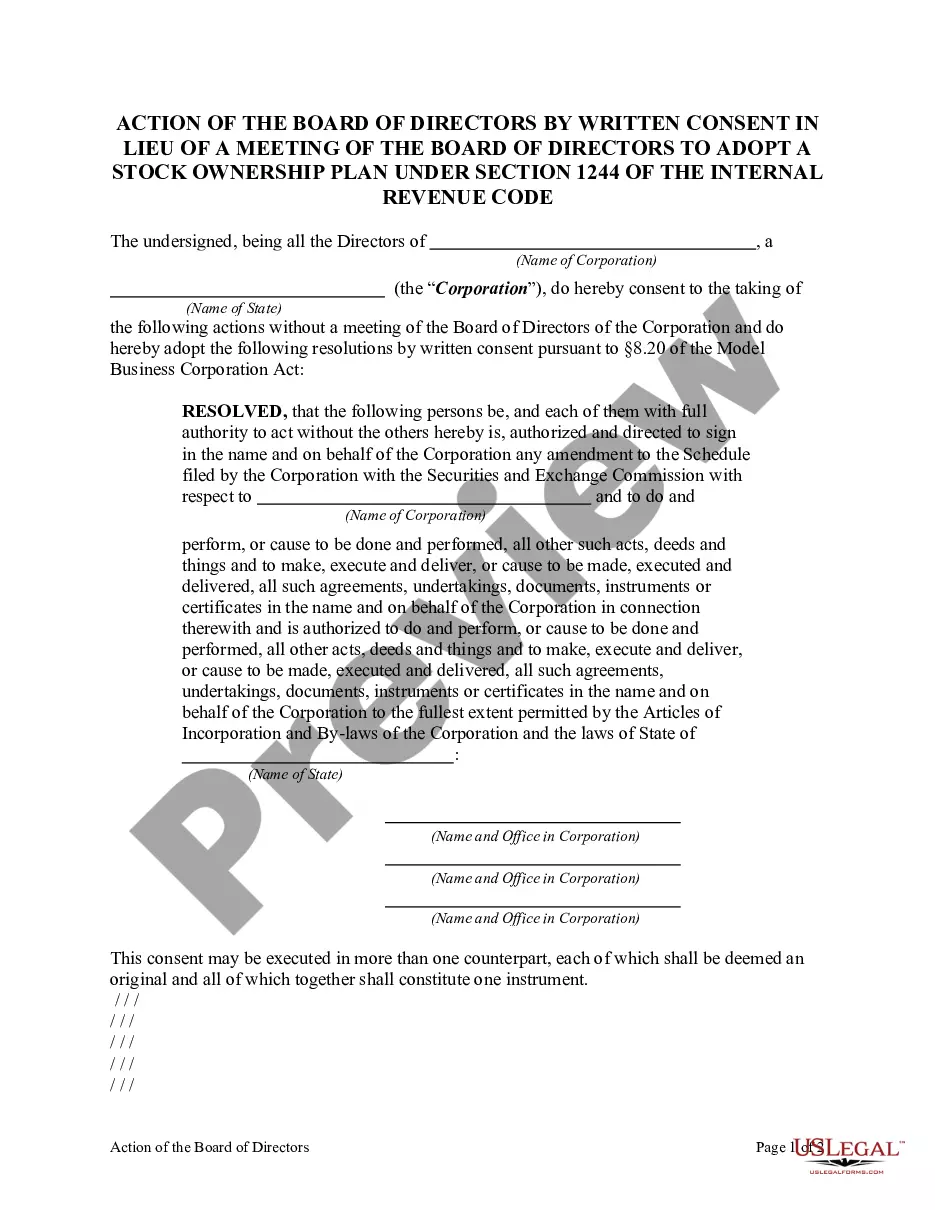

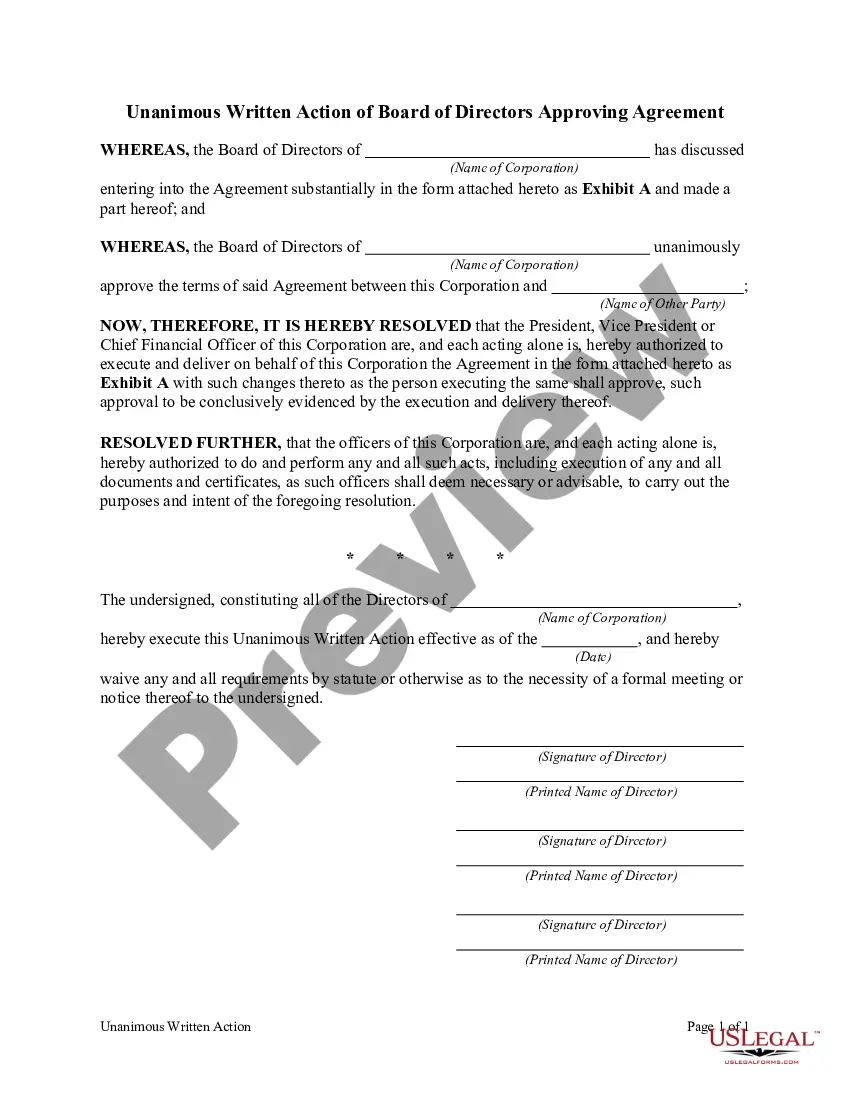
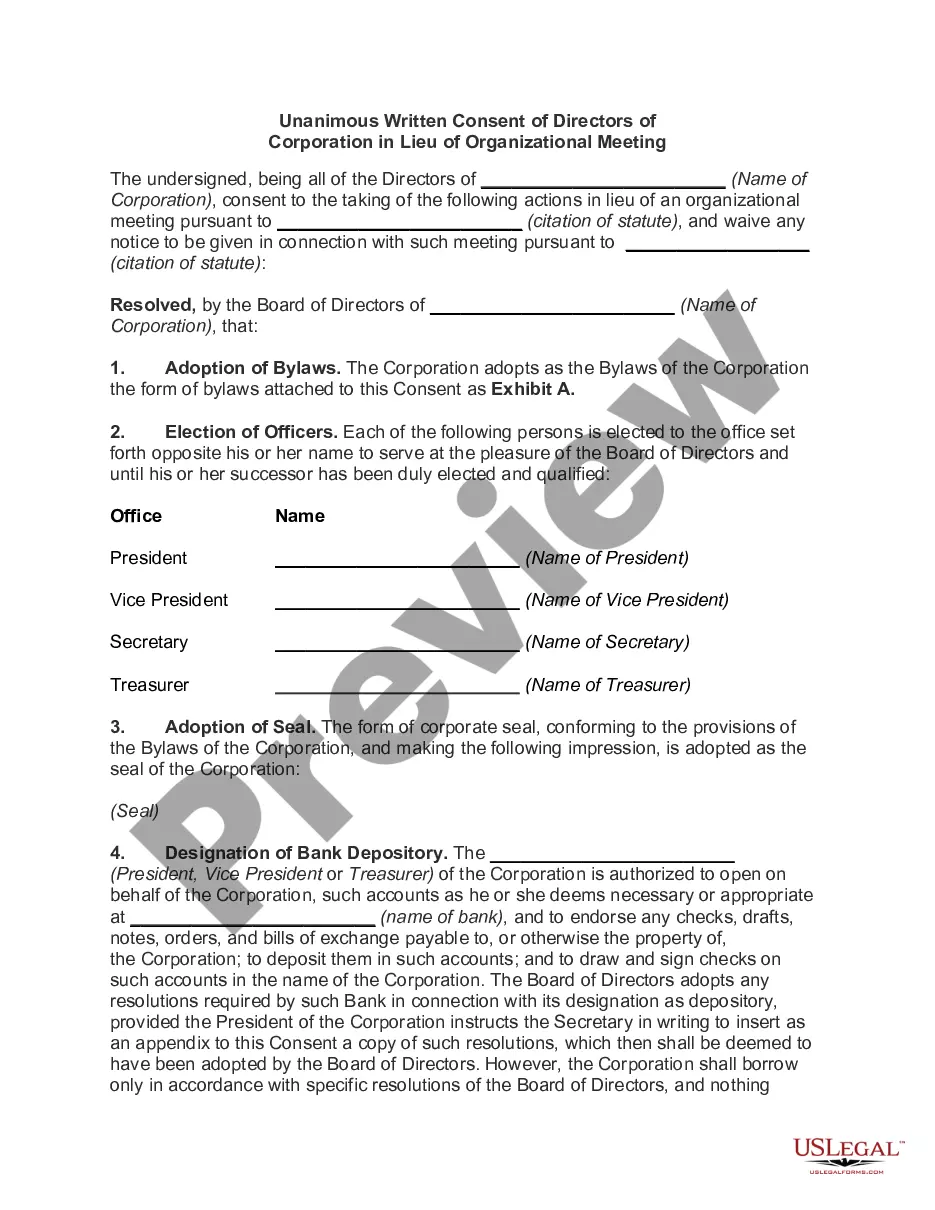
Get your form ready online
Our built-in tools help you complete, sign, share, and store your documents in one place.
Make edits, fill in missing information, and update formatting in US Legal Forms—just like you would in MS Word.
Download a copy, print it, send it by email, or mail it via USPS—whatever works best for your next step.
Sign and collect signatures with our SignNow integration. Send to multiple recipients, set reminders, and more. Go Premium to unlock E-Sign.
If this form requires notarization, complete it online through a secure video call—no need to meet a notary in person or wait for an appointment.
We protect your documents and personal data by following strict security and privacy standards.

Make edits, fill in missing information, and update formatting in US Legal Forms—just like you would in MS Word.

Download a copy, print it, send it by email, or mail it via USPS—whatever works best for your next step.

Sign and collect signatures with our SignNow integration. Send to multiple recipients, set reminders, and more. Go Premium to unlock E-Sign.

If this form requires notarization, complete it online through a secure video call—no need to meet a notary in person or wait for an appointment.

We protect your documents and personal data by following strict security and privacy standards.
Looking for another form?







Form popularity
FAQ
Service by mail is also permitted for most papers to be served on a party if that party has already filed papers in the action. The address for service by mail is the address that party put at the top of the papers they filed.
Yes, you can serve as your own registered agent (known as an agent for service of process in California) if you're a state resident with a physical street address. However, you must be available during regular business hours to accept legal documents, and your address will become public record.
There are two ways for a friend or family member to serve the claim: Personal Service: The claim is given to the person(s) you are suing. This must be done at least 15 days before the court date. If the person lives outside of Los Angeles County, they must be served at least 20 days before the court date.
Requirements: • You must serve the party: o By mail or national courier service with return or confirmation of service, and o By first class mail. You must get the signature confirmation of the official at the jail or prison to whom the papers are delivered.
In California, a process server cannot simply leave papers at your door as a first attempt or without making diligent efforts to serve you in person.
The rules for serving summonses vary by jurisdiction, but in California, they are strictly regulated to protect the integrity of the process. Failing to serve a summons means the defendant is not officially informed of the case, which can lead to delays or even case dismissal.
This is commonly known as a 'silent director'. While there is no general rule that prohibits this, it is important to understand the duties and obligations that arise if you have been appointed a director of a company.
As per the 2013 Act, the removal of a director can only take place during a general meeting through the approval of an ordinary resolution. Notably, this condition is applicable unless the director in question was appointed either through proportional representation or under section 163.
Shareholder Vote - In many jurisdictions, directors can be removed by a majority vote of the shareholders. If the company's bylaws allow, shareholders can call a meeting and vote to remove the director, even if they do not consent.
A director may be removed by: An ordinary resolution adopted at a shareholders' meeting by the persons entitled to exercise voting rights in the election of that director.
