Made A Director Without Consent In Sacramento
Description



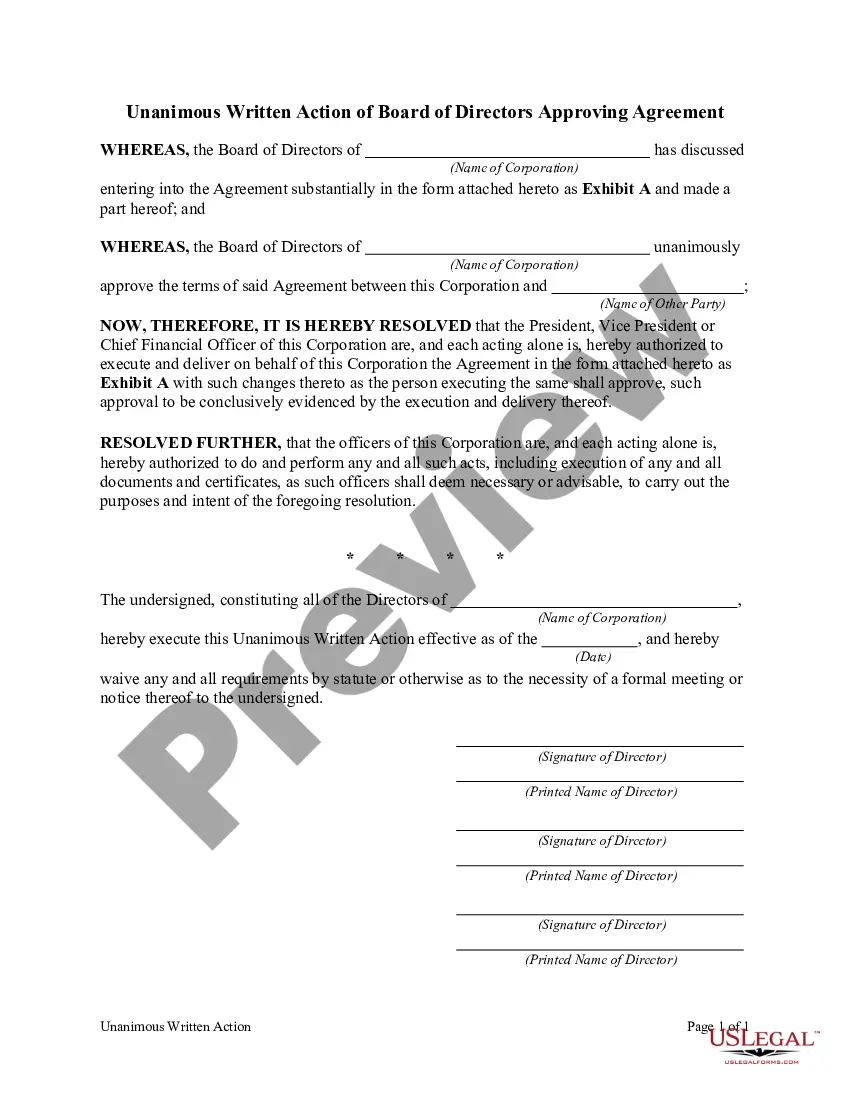
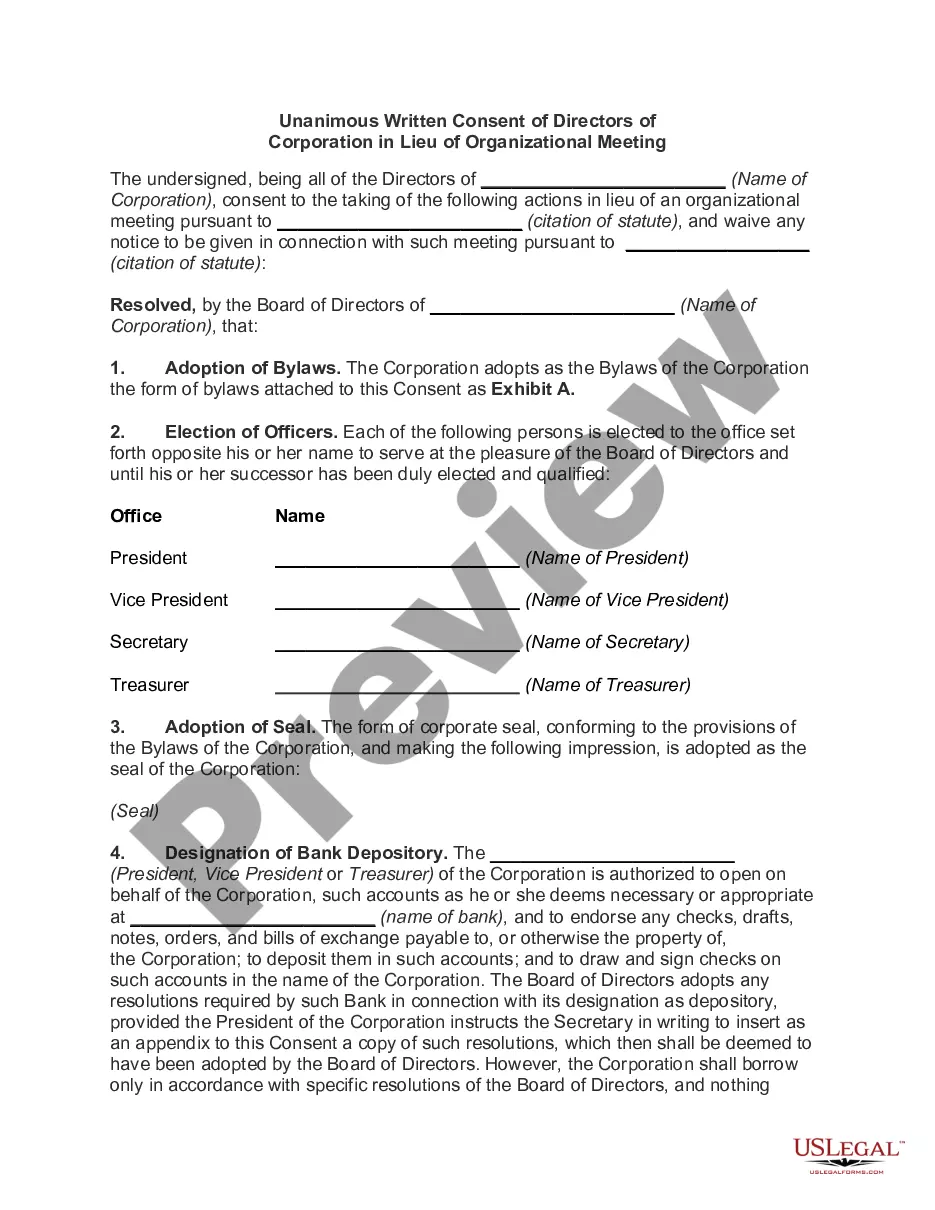
Get your form ready online
Our built-in tools help you complete, sign, share, and store your documents in one place.
Make edits, fill in missing information, and update formatting in US Legal Forms—just like you would in MS Word.
Download a copy, print it, send it by email, or mail it via USPS—whatever works best for your next step.
Sign and collect signatures with our SignNow integration. Send to multiple recipients, set reminders, and more. Go Premium to unlock E-Sign.
If this form requires notarization, complete it online through a secure video call—no need to meet a notary in person or wait for an appointment.
We protect your documents and personal data by following strict security and privacy standards.

Make edits, fill in missing information, and update formatting in US Legal Forms—just like you would in MS Word.

Download a copy, print it, send it by email, or mail it via USPS—whatever works best for your next step.

Sign and collect signatures with our SignNow integration. Send to multiple recipients, set reminders, and more. Go Premium to unlock E-Sign.

If this form requires notarization, complete it online through a secure video call—no need to meet a notary in person or wait for an appointment.

We protect your documents and personal data by following strict security and privacy standards.
Looking for another form?







Form popularity
FAQ
If you cancel your LLC within one year of organizing, you can file Short form cancellation (SOS Form LLC-4/8) with the SOS. Your LLC will not be subject to the annual $800 tax for its first tax year.
9 A company transacting business in California without having properly registered (i.e., qualified) is subject to a penalty of $20 for each day (up to $1,000) that unauthorized intrastate business is conducted and is denied access to state courts for purposes of maintaining an action or proceeding upon any intrastate ...
All foreign corporations must register paperwork with California to legally conduct business. In order to register as a California foreign corporation, you'll need to file a Statement of Designation by Foreign Corporation with the California Secretary of State.
Yes, you can serve as your own registered agent (known as an agent for service of process in California) if you're a state resident with a physical street address. However, you must be available during regular business hours to accept legal documents, and your address will become public record.
Every corporation and limited liability company is required to file a Statement of Information either every year or every two years as applicable. The Secretary of State sends a reminder to the business entity approximately three months prior to the date its filing is due.
If your business name or address changes, you must report the change(s) within 90 days of the change (Business and Professions Code section 7083). Complete and submit an Application to Change Business Name or Address. The application must be signed by an owner, partner, or officer of the corporation.
Before your foreign LLC can legally do business in California, you'll need to complete the California Application to Register a Foreign Limited Liability Company and submit it to the Secretary of State, Business Programs Division.
As per the 2013 Act, the removal of a director can only take place during a general meeting through the approval of an ordinary resolution. Notably, this condition is applicable unless the director in question was appointed either through proportional representation or under section 163.
In many companies, the power to remove a director from office is granted to the board of directors or to most of the shareholders under the company's articles of association. For these companies, removing a director will require the board or most of the shareholders to serve written notice on the director in question.
As per the 2013 Act, the removal of a director can only take place during a general meeting through the approval of an ordinary resolution. Notably, this condition is applicable unless the director in question was appointed either through proportional representation or under section 163.
