Remove Director Without Consent In Ohio
Description
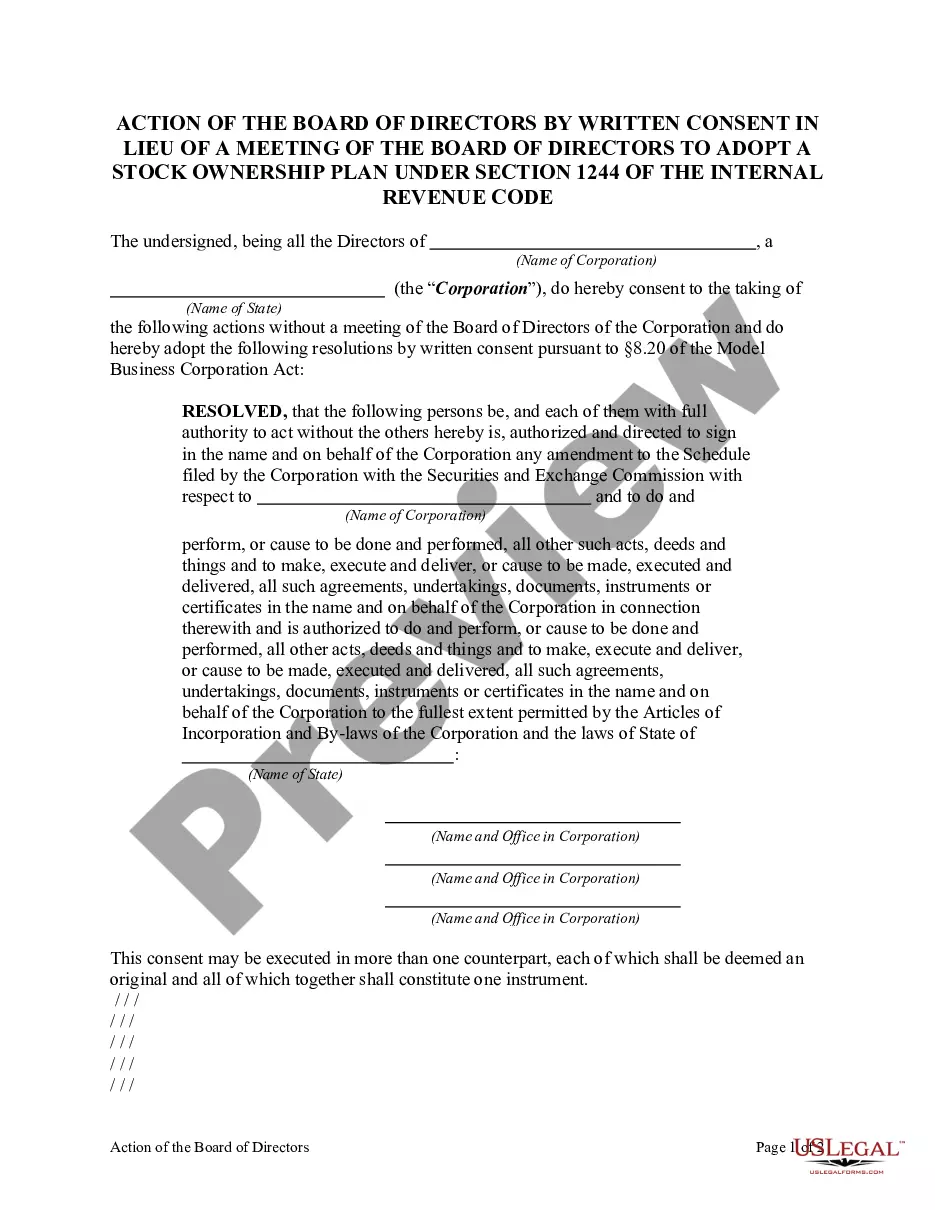
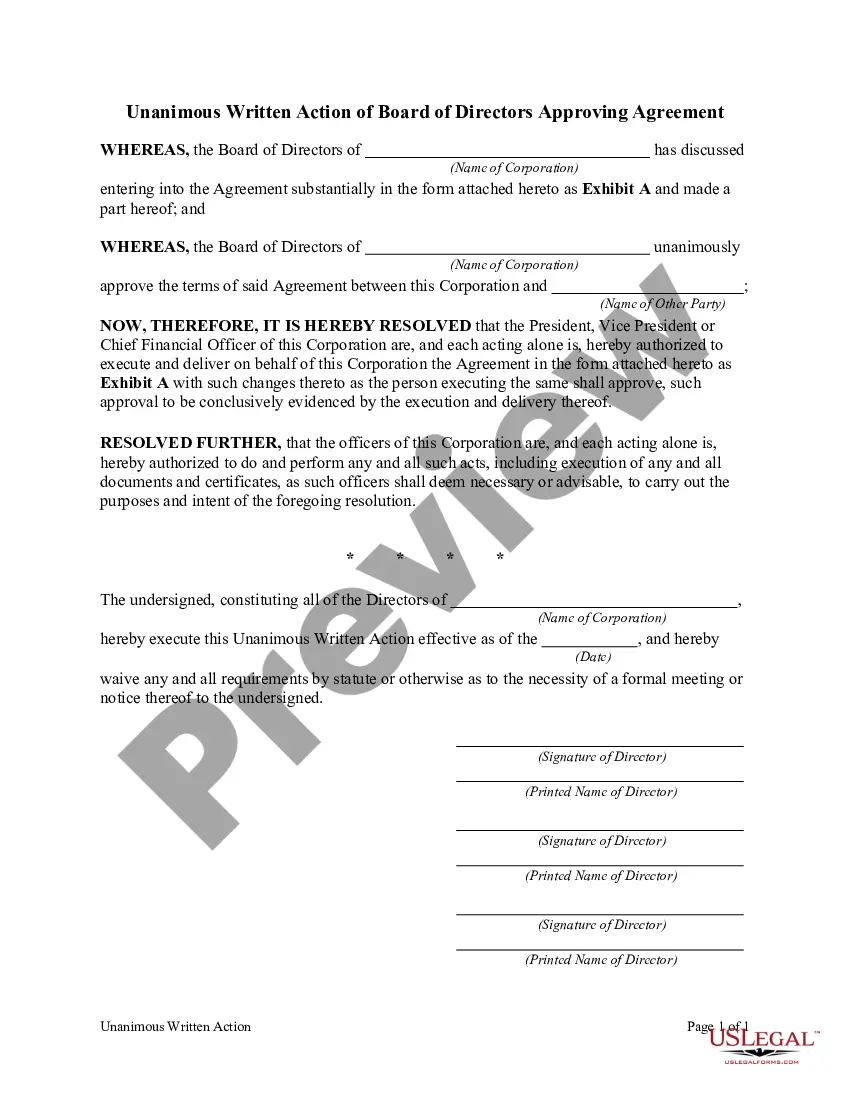
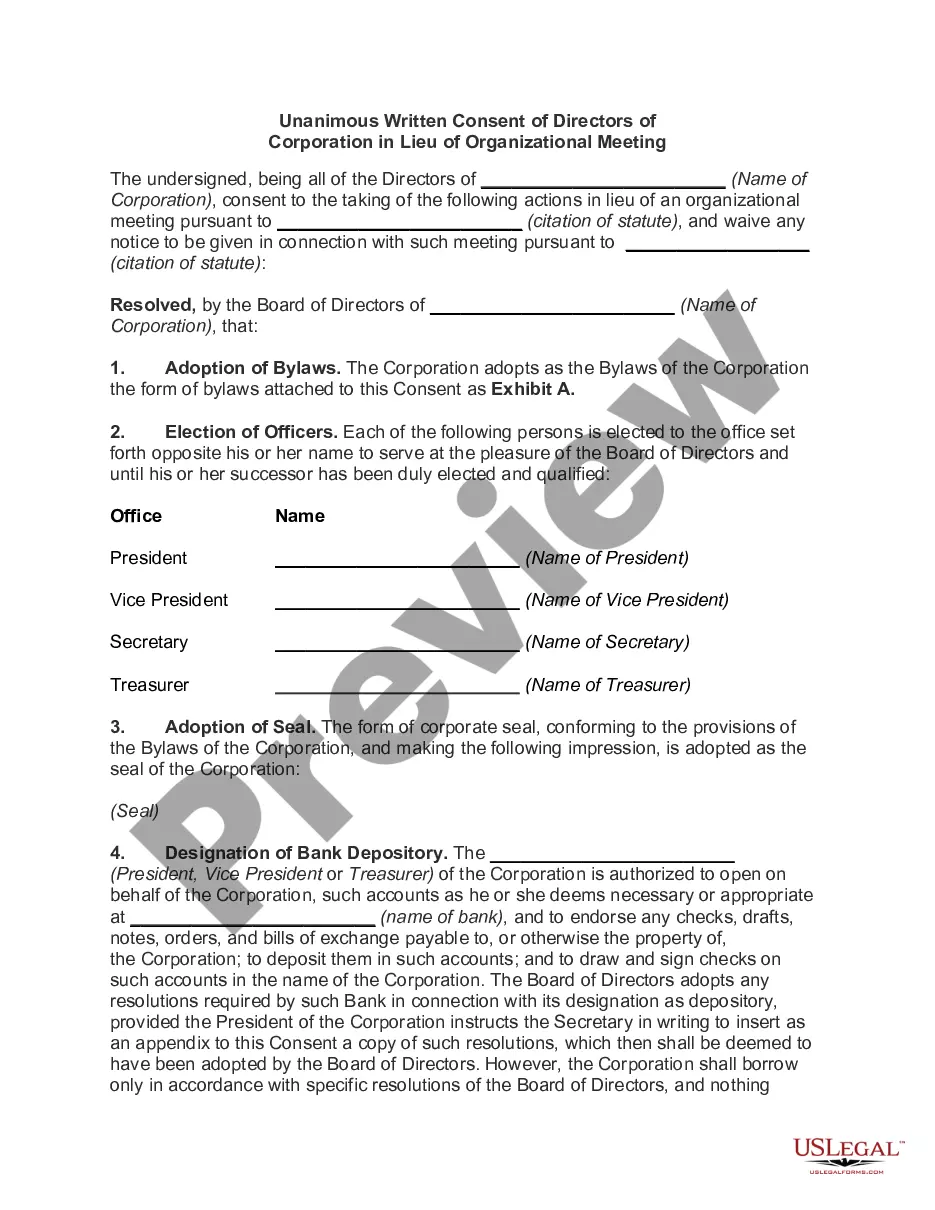
Get your form ready online
Our built-in tools help you complete, sign, share, and store your documents in one place.
Make edits, fill in missing information, and update formatting in US Legal Forms—just like you would in MS Word.
Download a copy, print it, send it by email, or mail it via USPS—whatever works best for your next step.
Sign and collect signatures with our SignNow integration. Send to multiple recipients, set reminders, and more. Go Premium to unlock E-Sign.
If this form requires notarization, complete it online through a secure video call—no need to meet a notary in person or wait for an appointment.
We protect your documents and personal data by following strict security and privacy standards.

Make edits, fill in missing information, and update formatting in US Legal Forms—just like you would in MS Word.

Download a copy, print it, send it by email, or mail it via USPS—whatever works best for your next step.

Sign and collect signatures with our SignNow integration. Send to multiple recipients, set reminders, and more. Go Premium to unlock E-Sign.

If this form requires notarization, complete it online through a secure video call—no need to meet a notary in person or wait for an appointment.

We protect your documents and personal data by following strict security and privacy standards.
Looking for another form?








Form popularity
FAQ
Special notice is however required. On receipt of notice of an intended resolution to remove a Director, the company must send a copy of the notice to the Director concerned. The Director is entitled to be heard on the resolution at the meeting and it may be contested.
(A) A corporation shall give notice of a dissolution by certified or registered mail, return receipt requested, to each known creditor and to each person that has a claim against the corporation, including claims that are conditional, unmatured, or contingent upon the occurrence or nonoccurrence of future events.
Bylaws are the rules used by the board to govern the organization. Ohio does not require a copy of the bylaws to be filed with the state. Regardless of filing requirement, their creation is a part of the formation process and is required by state law.
Ohio law consists of the Ohio Constitution, the Ohio Revised Code and the Ohio Administrative Code. The Constitution is the state's highest law superseding all others. The Revised Code is the codified law of the state while the Administrative Code is a compilation of administrative rules adopted by state agencies.
If your organization is incorporated in Ohio, you may need to file a Certificate of Dissolution and return it to the Ohio Secretary of State. For organizations that have federal tax-exempt status, your organization may need to file a final Form 990 with the IRS.
(A) A corporation may be dissolved voluntarily in the manner provided in this section. (B) A resolution of dissolution for a corporation shall set forth: (1) That the corporation elects to be dissolved; (2) Any additional provision deemed necessary with respect to the proposed dissolution and winding up.
Unless there is a special provision in the company's Articles of Association a director cannot be removed from office by the Board of Directors, and only the shareholders can remove a director. The Articles may provide a procedure for this; otherwise the statutory procedure must be used.
Section 1703.17 | Surrender of license. (A) A foreign corporation may surrender its license to transact business in this state in the manner provided in this section.
A director can be removed without their consent under certain conditions, usually, governed by a company's bylaws, shareholders' agreements, and local jurisdiction. Here are common methods for director removal: Shareholder Vote - In many jurisdictions, directors can be removed by a majority vote of the shareholders.
A director can be removed without their consent under certain conditions, usually, governed by a company's bylaws, shareholders' agreements, and local jurisdiction. Here are common methods for director removal: Shareholder Vote - In many jurisdictions, directors can be removed by a majority vote of the shareholders.
