Made A Director Without Consent In California
Description



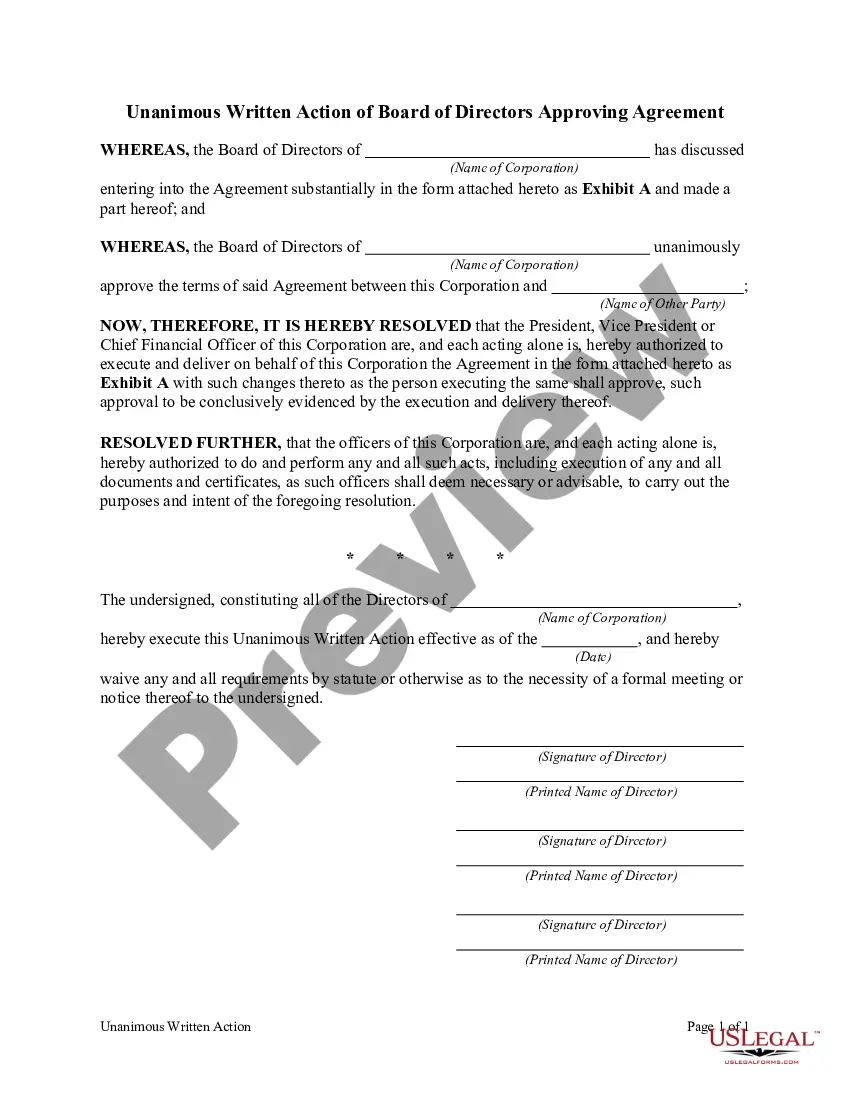
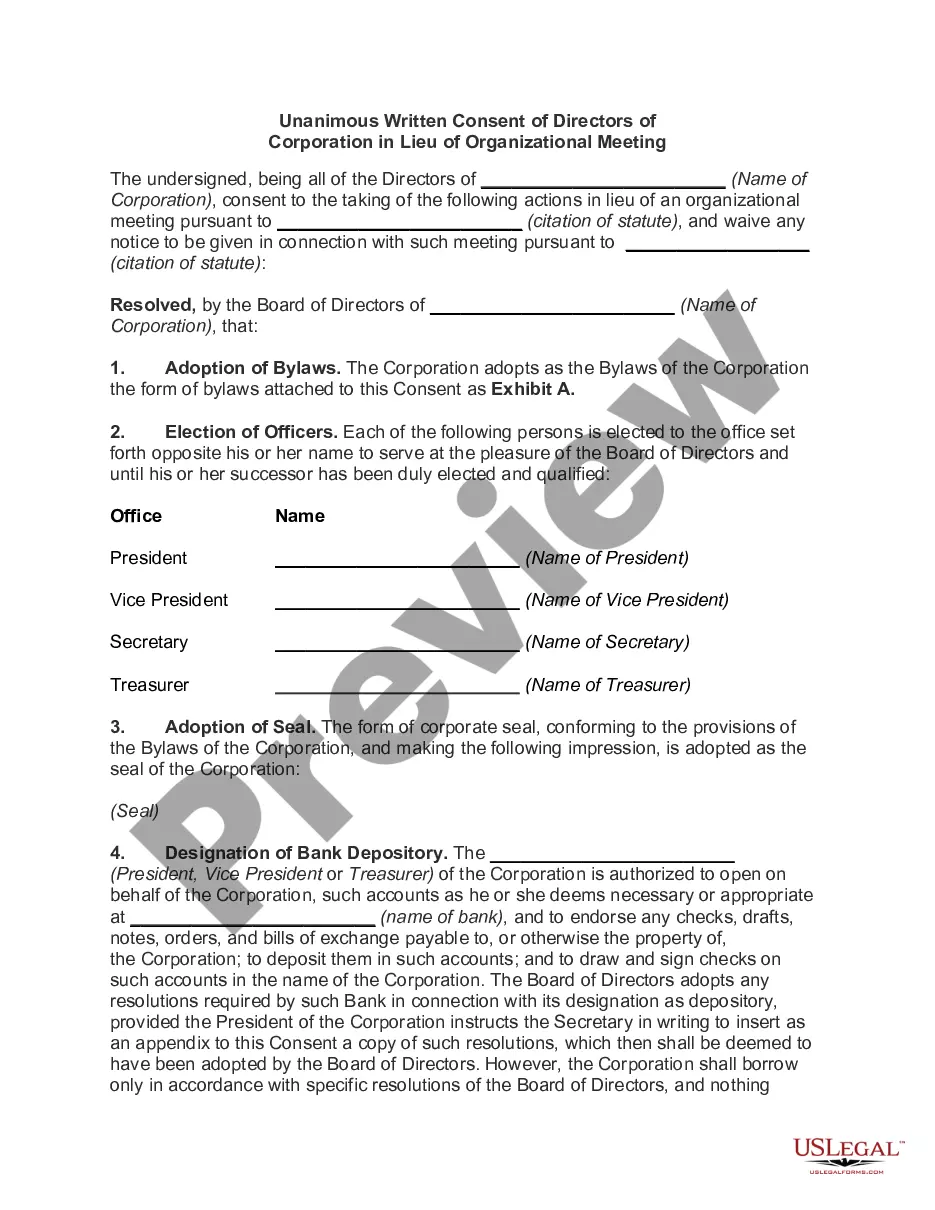
Get your form ready online
Our built-in tools help you complete, sign, share, and store your documents in one place.
Make edits, fill in missing information, and update formatting in US Legal Forms—just like you would in MS Word.
Download a copy, print it, send it by email, or mail it via USPS—whatever works best for your next step.
Sign and collect signatures with our SignNow integration. Send to multiple recipients, set reminders, and more. Go Premium to unlock E-Sign.
If this form requires notarization, complete it online through a secure video call—no need to meet a notary in person or wait for an appointment.
We protect your documents and personal data by following strict security and privacy standards.

Make edits, fill in missing information, and update formatting in US Legal Forms—just like you would in MS Word.

Download a copy, print it, send it by email, or mail it via USPS—whatever works best for your next step.

Sign and collect signatures with our SignNow integration. Send to multiple recipients, set reminders, and more. Go Premium to unlock E-Sign.

If this form requires notarization, complete it online through a secure video call—no need to meet a notary in person or wait for an appointment.

We protect your documents and personal data by following strict security and privacy standards.
Looking for another form?
Form popularity
FAQ
Shareholder Vote - In many jurisdictions, directors can be removed by a majority vote of the shareholders. If the company's bylaws allow, shareholders can call a meeting and vote to remove the director, even if they do not consent.
Corporations are required to have not less than three directors unless (1) shares have not been issued, then the number can be one or two, (2) the corporation has one shareholder, then the number can be one or two, or (3) the corporation has two shareholders, then the number can be two.
Code § 9222. Current through the 2024 Legislative Session. Section 9222 - Removal of directors (a) Except as provided in the articles or bylaws and subject to subdivision (b) of this section, any or all directors may be removed without cause if the removal is approved by the members (Section 5034).
The number or minimum number of directors shall not be less than three; provided, however, that (1) before shares are issued, the number may be one, (2) before shares are issued, the number may be two, (3) so long as the corporation has only one shareholder, the number may be one, (4) so long as the corporation has ...
California law requires that each corporation must have a president, a secretary, and a chief financial officer.
A California registered agent is the key person or designated corporate entity responsible for receiving legal documents (like court papers) if a business gets sued. They provide a physical address where important state notices and legal mail for a business can be delivered.
(a) A director shall perform the duties of a director, including duties as a member of any committee of the board upon which the director may serve, in good faith, in a manner such director believes to be in the best interests of the corporation and its shareholders and with such care, including reasonable inquiry, as ...
The authorized number of directors must be set out in the bylaws (or the articles). A corporation must have at least three directors unless the corporation has fewer than three shareholders. In that case, the number of its directors can be no less than the number of shareholders.
A breach of fiduciary duty opens the door to a range of equitable remedies, such as a proprietary claim to recover company property and an account of profits. The focus is often more on the disgorgement of benefits received by the fiduciary director.
Examples of potential conflict of interest For example, a director who is married to a significant shareholder of a competing company might have a conflict of interest. Financial interests - directors should not have financial interests that could benefit them personally at the expense of the company.
