Realtor Broker Agent Forum In Virginia
Description

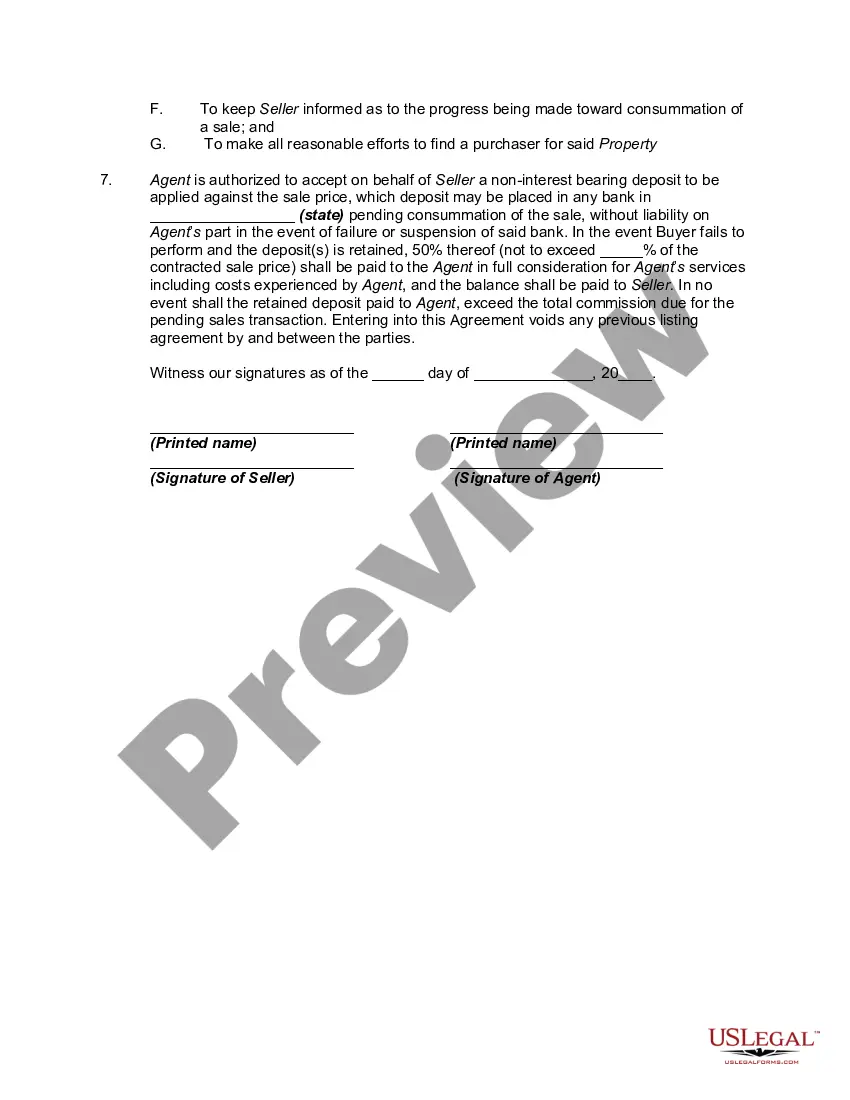

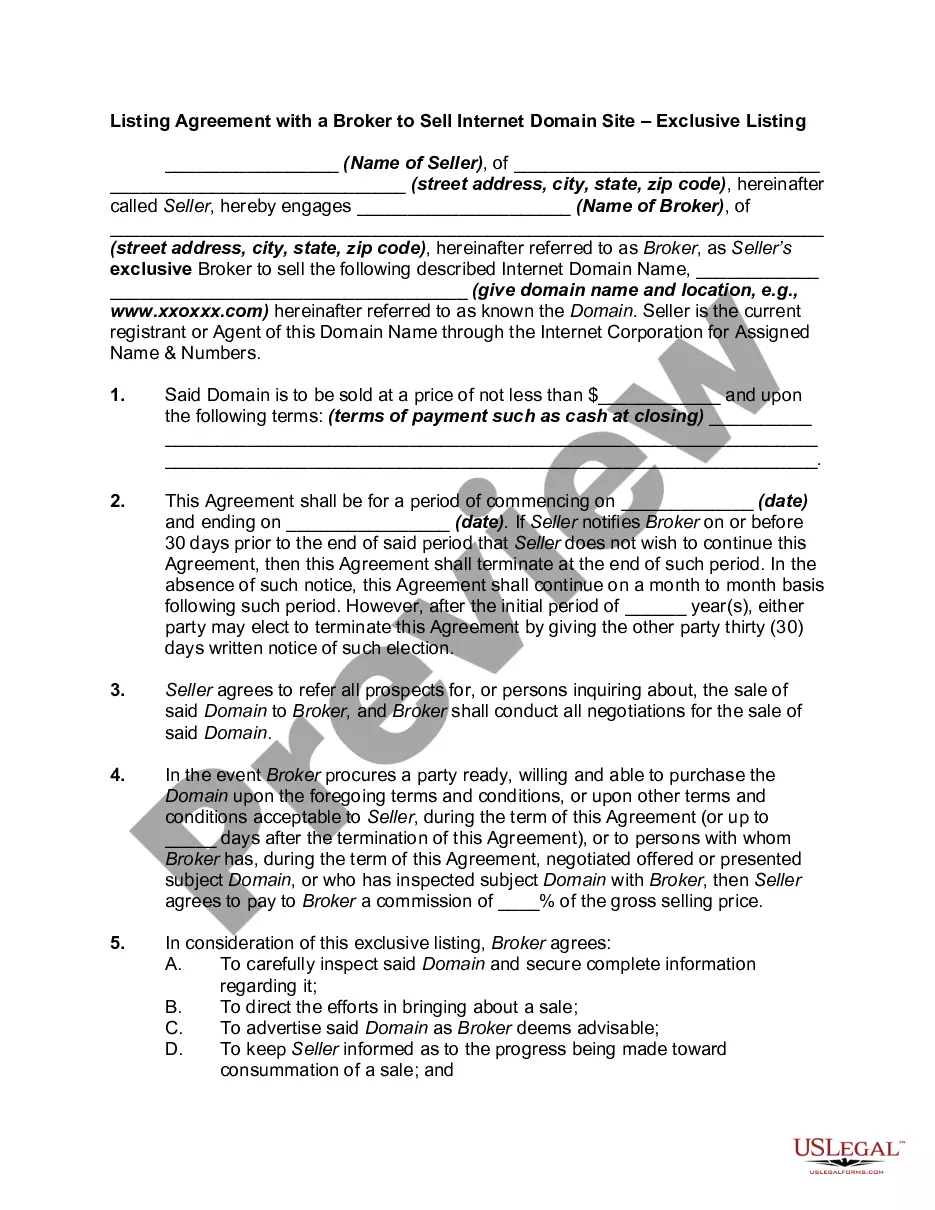
Get your form ready online
Our built-in tools help you complete, sign, share, and store your documents in one place.
Make edits, fill in missing information, and update formatting in US Legal Forms—just like you would in MS Word.
Download a copy, print it, send it by email, or mail it via USPS—whatever works best for your next step.
Sign and collect signatures with our SignNow integration. Send to multiple recipients, set reminders, and more. Go Premium to unlock E-Sign.
If this form requires notarization, complete it online through a secure video call—no need to meet a notary in person or wait for an appointment.
We protect your documents and personal data by following strict security and privacy standards.

Make edits, fill in missing information, and update formatting in US Legal Forms—just like you would in MS Word.

Download a copy, print it, send it by email, or mail it via USPS—whatever works best for your next step.

Sign and collect signatures with our SignNow integration. Send to multiple recipients, set reminders, and more. Go Premium to unlock E-Sign.

If this form requires notarization, complete it online through a secure video call—no need to meet a notary in person or wait for an appointment.

We protect your documents and personal data by following strict security and privacy standards.
Looking for another form?
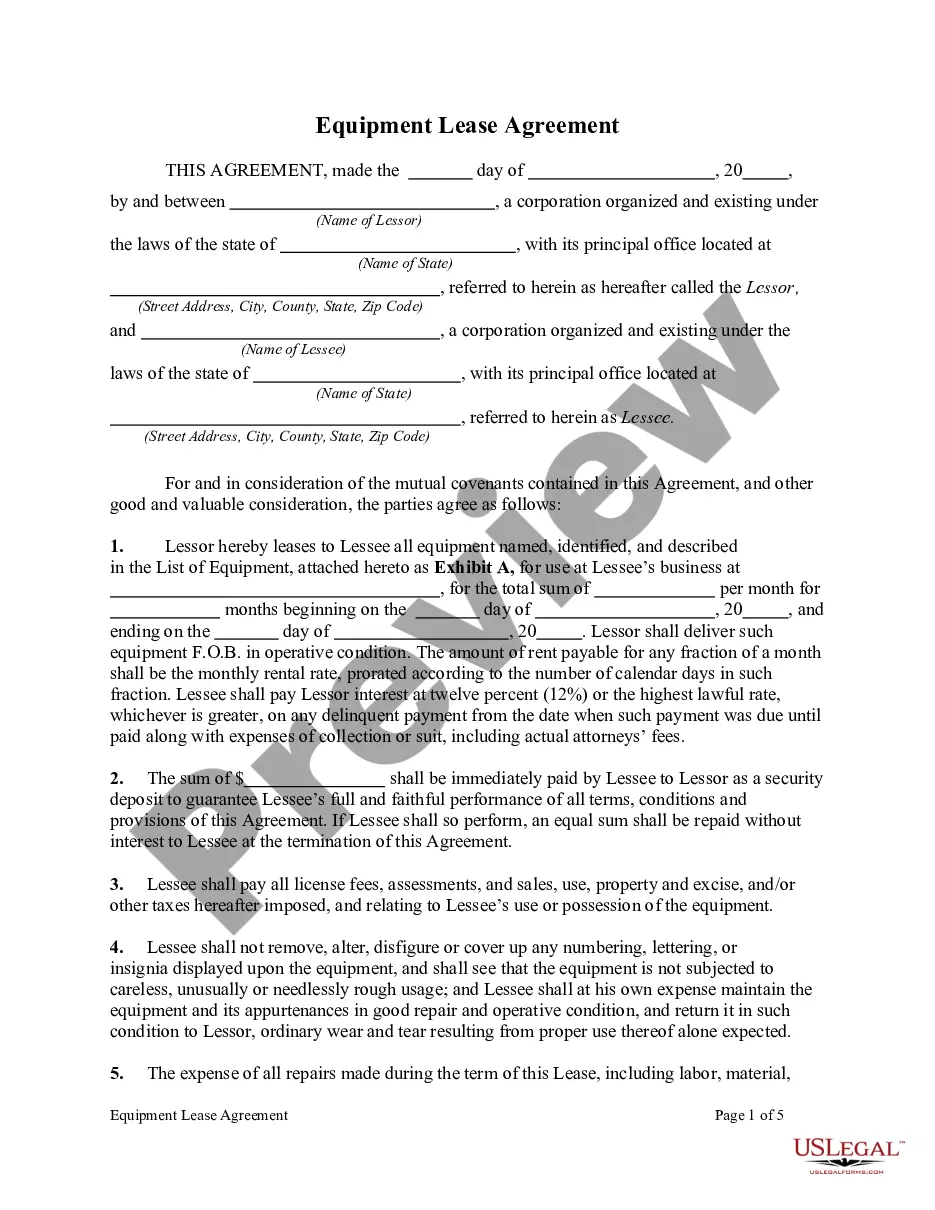

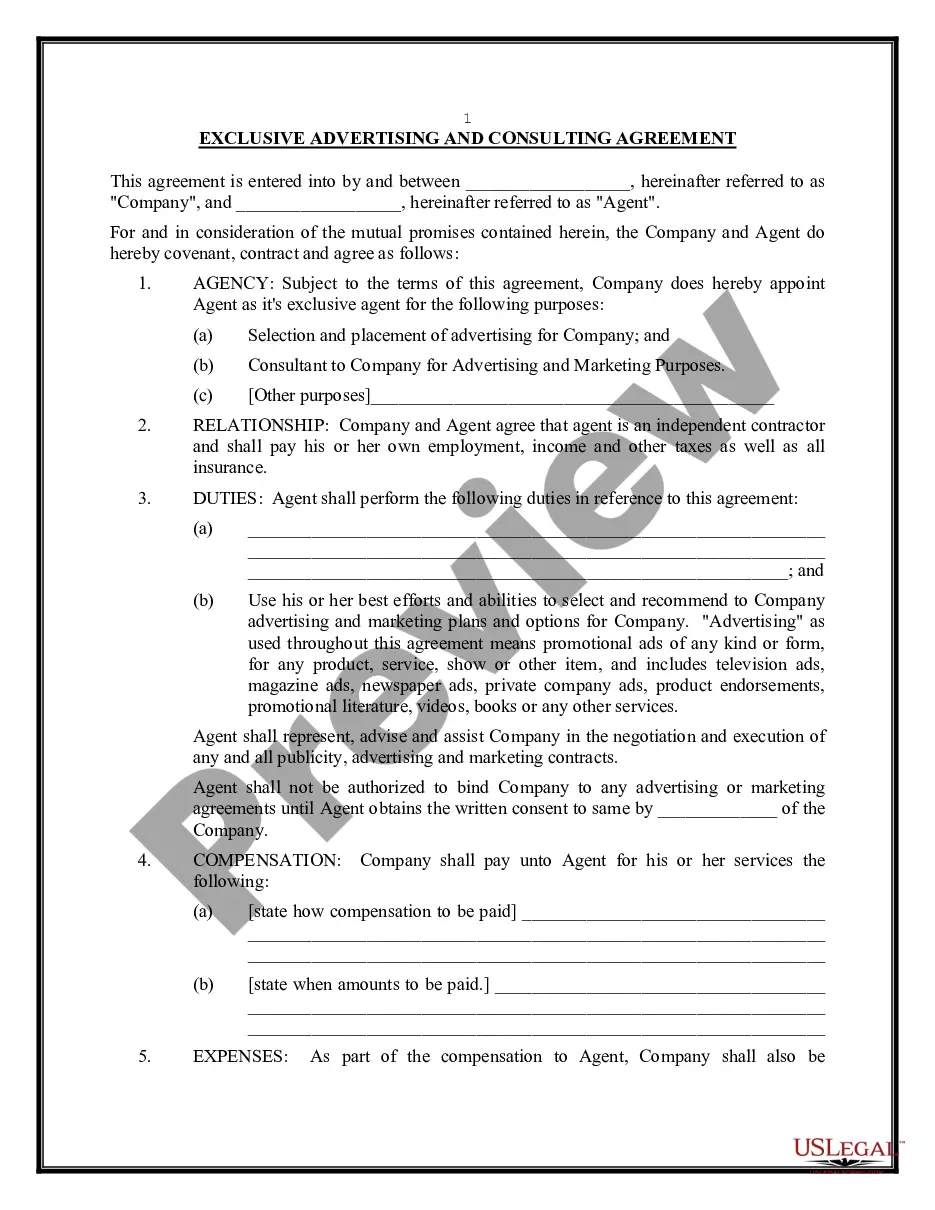







Form popularity
FAQ
Most Common Complaints Septic systems. Solar leases. Failure to disclose and Seller's Property Disclosures. Water rights. Miscommunication. Agent-owned property and additional supervision. Multiple offers. Unpermitted work.
The Real Estate License Law prohibits brokers in a transaction from acting for more than one party without the knowledge of all parties for whom the broker acts. The most common complaints deal with dual agency, seller subagency, and special relationships between the parties.
What are Some Common Violations by Texas Real Estate Professionals? Failing to use a required contract form. Acting negligently or incompetently. Violating an exclusive agency. Failing to obey an order or requirement of TREC. Violated rules related to advertising. Engaging in dishonest, bad faith, or untrustworthiness.
Applicant Denial If the felony poses a valid threat to the integrity of the practice, the DPOR may choose to deny it. For example, a person with an extensive history of violent crimes may be denied while a person convicted of dealing drugs one time may be accepted.
Real Estate Board | Virginia Department of Professional and Occupational Regulation.
Meseck, the most common complaints involve: Septic systems. Solar leases. Failure to disclose and Seller's Property Disclosures. Water rights. Miscommunication. Agent-owned property and additional supervision. Multiple offers. Unpermitted work.
Virginia's real estate exam sees 70% of candidates pass on the first try, meaning that if 1,000 people took the exam, 700 passed. This implies that while the exam might be hard, there is a good chance that candidates will pass if they undergo the necessary preparations.
To earn your real estate license in Virginia, you must be at least 18 years of age, complete 60 hours of approved education, pass the Virginia real estate salesperson licensing exam, complete fingerprinting and a background check, and apply for a state license.
It takes an average of four (4) months to obtain your real estate license. But, many people take far less or far more time to get their Virginia real estate license. You can obtain a license in just a few weeks. Or, you can take your time and earn your license over the course of a year.
Applicants for a broker license must (1) pass the State portion of the examination, (2) submit verification of experience (actively engaged as a salesperson or broker for 36 out of 48 months preceding application for licensure), (3) submit original transcripts or certified copies of transcripts from the educational ...
