Realtor Broker Agent For Apartments In Palm Beach
Description

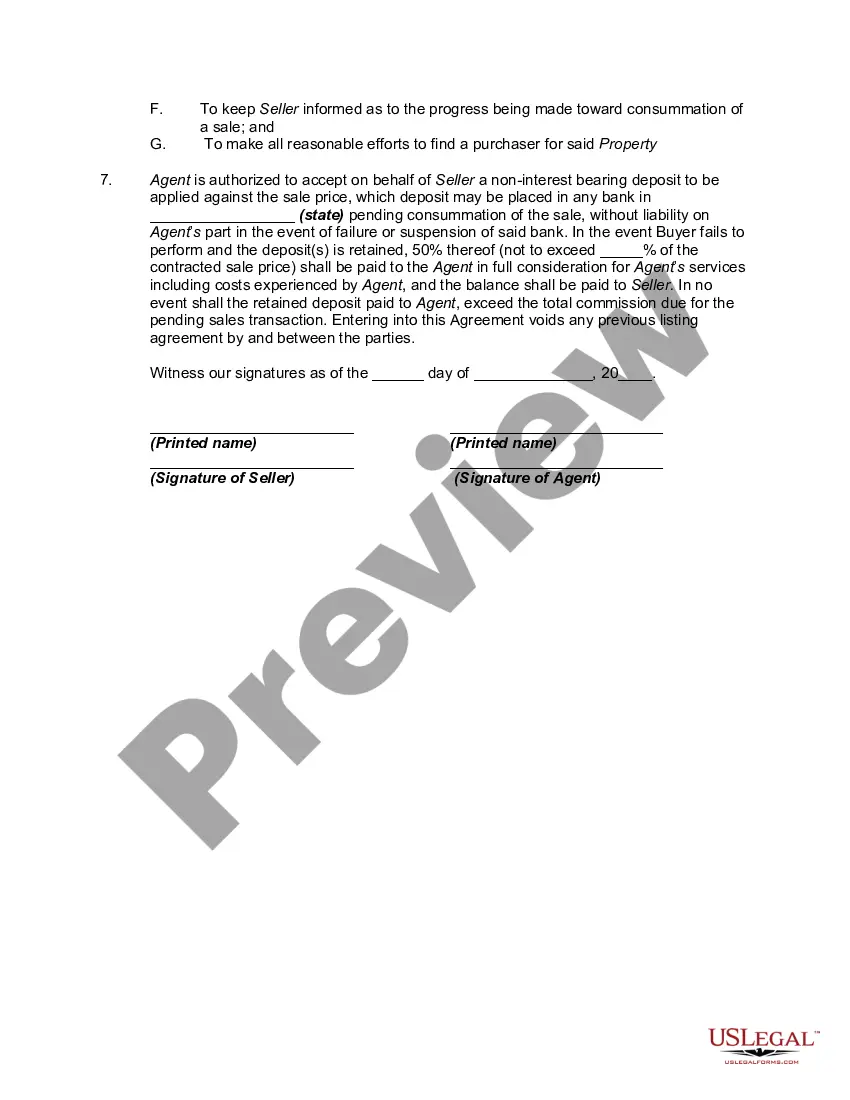

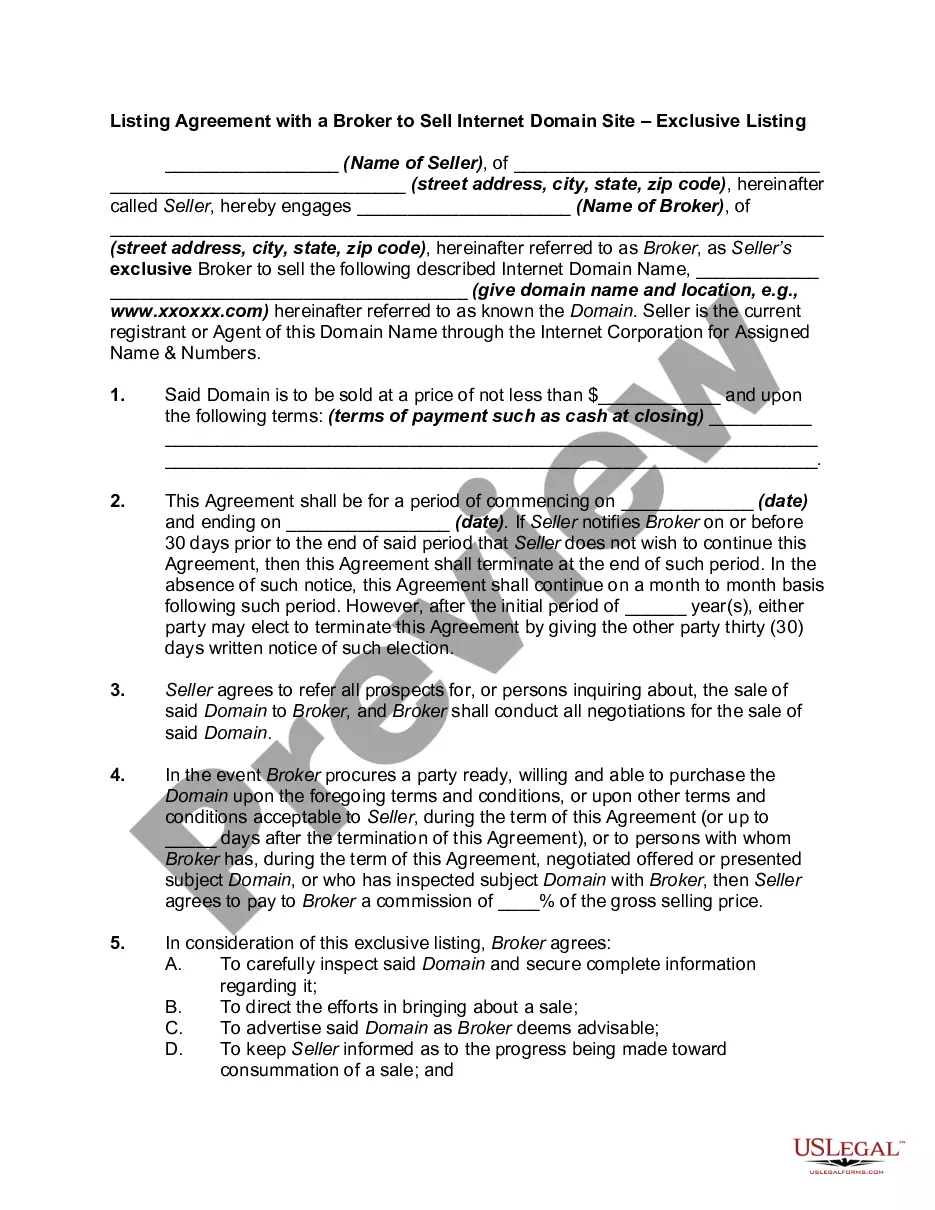
Get your form ready online
Our built-in tools help you complete, sign, share, and store your documents in one place.
Make edits, fill in missing information, and update formatting in US Legal Forms—just like you would in MS Word.
Download a copy, print it, send it by email, or mail it via USPS—whatever works best for your next step.
Sign and collect signatures with our SignNow integration. Send to multiple recipients, set reminders, and more. Go Premium to unlock E-Sign.
If this form requires notarization, complete it online through a secure video call—no need to meet a notary in person or wait for an appointment.
We protect your documents and personal data by following strict security and privacy standards.

Make edits, fill in missing information, and update formatting in US Legal Forms—just like you would in MS Word.

Download a copy, print it, send it by email, or mail it via USPS—whatever works best for your next step.

Sign and collect signatures with our SignNow integration. Send to multiple recipients, set reminders, and more. Go Premium to unlock E-Sign.

If this form requires notarization, complete it online through a secure video call—no need to meet a notary in person or wait for an appointment.

We protect your documents and personal data by following strict security and privacy standards.
Looking for another form?
Form popularity
FAQ
In Florida, a real estate broker who wishes to work for more than one entity can apply for multiple licenses. Multiple licenses give the broker the ability to hold the title of broker at numerous real estate agencies at the same time.
6 Steps to Getting your Florida Broker License Get Your Florida real estate license as a salesperson. Gain some experience. Complete your broker coursework. Apply for your broker license. Pass the broker exam. Activate your license and keep up with continuing education requirements.
Florida won't allow you to become a broker without some serious industry experience. You'll need 24 months of experience as an active real estate salesperson within the five-year period leading up to your broker application.
Contact the FREC at (850) 487-1395.
Florida law requires that real estate brokers maintain a physical office where they can meet with clients, store files, and conduct other business activities.
The office must include at least one enclosed room and have space to conduct private transactions. Additionally, the broker is required to keep any real estate files and records (physical or electronic) in the office so they are immediately available for inspection by the FREC or other governing authority.
1. Get Referrals: Ask friends, family, or colleagues. 2. Check Credentials: Verify licenses and certifications. 3. Read Reviews: Look for online ratings and testimonials. 4. Interview Multiple Agents: Compare experience and local knowledge. 5. Assess Communication: Ensure prompt and clear responses. 6.
1. Get Referrals: Ask friends, family, or colleagues. 2. Check Credentials: Verify licenses and certifications. 3. Read Reviews: Look for online ratings and testimonials. 4. Interview Multiple Agents: Compare experience and local knowledge. 5. Assess Communication: Ensure prompt and clear responses. 6.
Below we discuss 3 signs that you have a good realtor: Communication. A good realtor has good communication skills. A realtor who communicates without flaws has the power to influence. Knowledgeable. Good agents possess market knowledge. Resourcefulness. A resourceful realtor overcomes market-related problems.
Florida won't allow you to become a broker without some serious industry experience. You'll need 24 months of experience as an active real estate salesperson within the five-year period leading up to your broker application.