Listing Agreement Real Estate With Multiple Owners In Ohio
Description

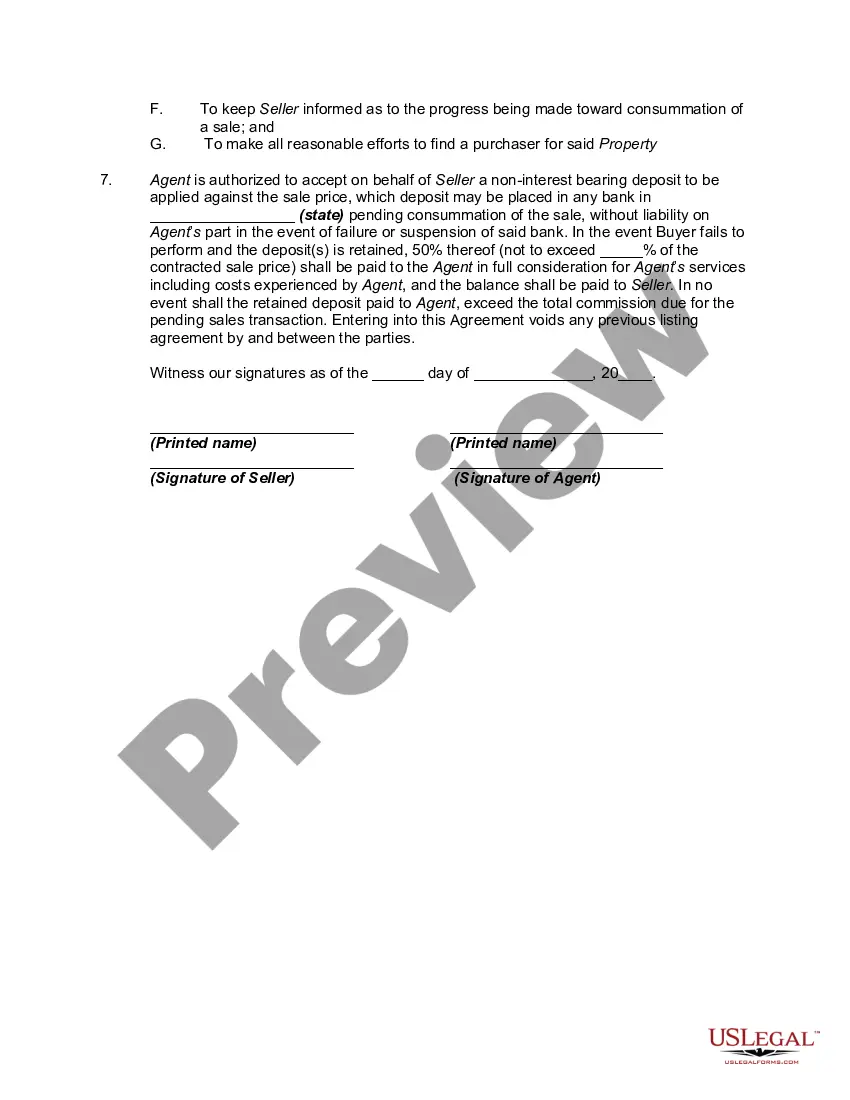

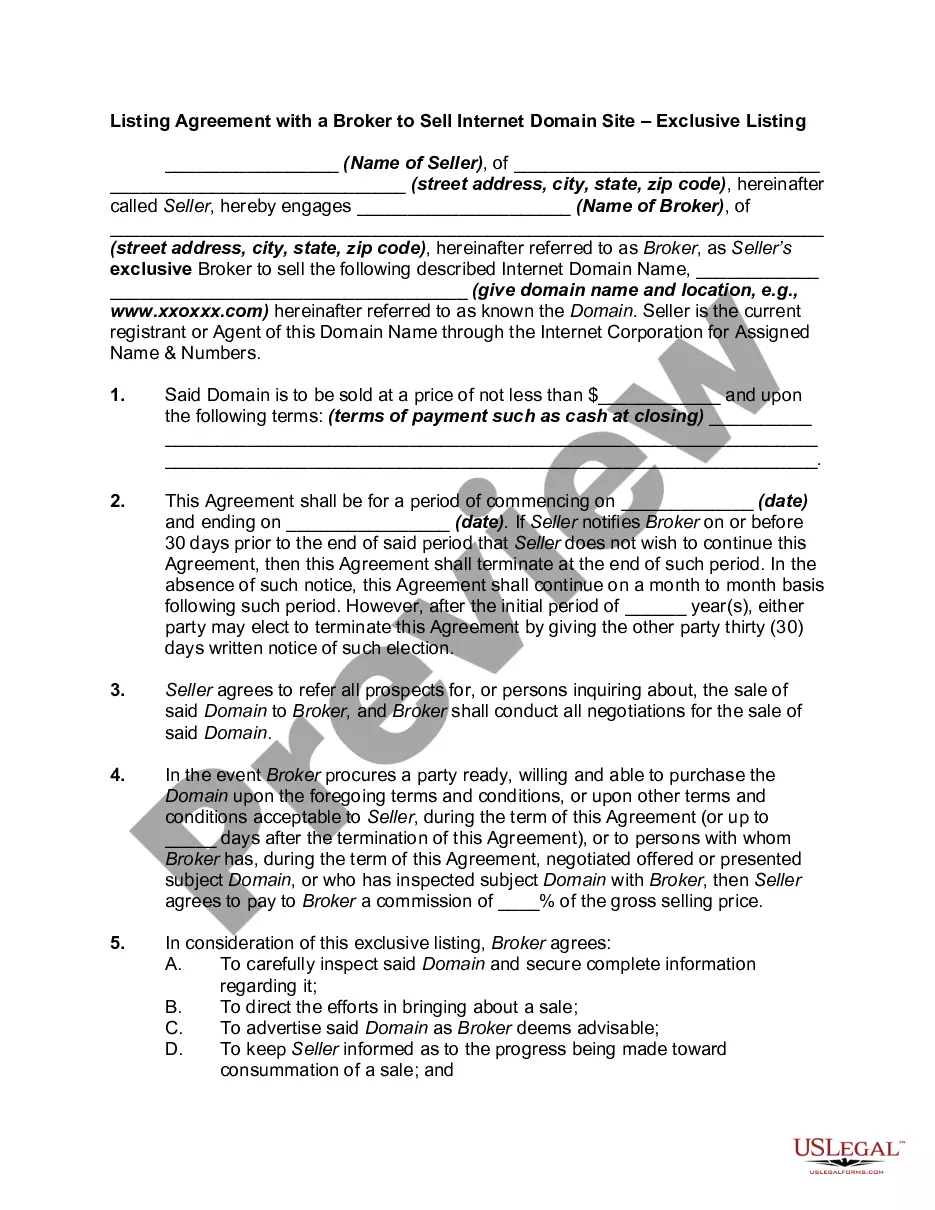
Get your form ready online
Our built-in tools help you complete, sign, share, and store your documents in one place.
Make edits, fill in missing information, and update formatting in US Legal Forms—just like you would in MS Word.
Download a copy, print it, send it by email, or mail it via USPS—whatever works best for your next step.
Sign and collect signatures with our SignNow integration. Send to multiple recipients, set reminders, and more. Go Premium to unlock E-Sign.
If this form requires notarization, complete it online through a secure video call—no need to meet a notary in person or wait for an appointment.
We protect your documents and personal data by following strict security and privacy standards.

Make edits, fill in missing information, and update formatting in US Legal Forms—just like you would in MS Word.

Download a copy, print it, send it by email, or mail it via USPS—whatever works best for your next step.

Sign and collect signatures with our SignNow integration. Send to multiple recipients, set reminders, and more. Go Premium to unlock E-Sign.

If this form requires notarization, complete it online through a secure video call—no need to meet a notary in person or wait for an appointment.

We protect your documents and personal data by following strict security and privacy standards.
Looking for another form?


Form popularity
FAQ
Home buyers need a seller – and home sellers need a buyer. A multiple listing service (MLS) maximizes the potential for real estate brokers and agents to help these two groups get connected. The MLS is a real estate tool professionals use to share information with each other about homes on the market.
Multiple Listing Service (MLS): What Is It An MLS is a powerful tool to further cooperative agreements between brokers for the sale of their listings and provide information necessary to permit such cooperation.
Dual Agency Occasionally, the same agent and brokerage that represent the seller also represent the buyer. This is referred to as dual agency. When a brokerage and its agents become “dual agents,” they must maintain a neutral position between the buyer and the seller.
Two common arrangements for co-ownership include joint tenancy, in which you share ownership equally, and tenancy in common, in which each owner may have a different percentage of ownership. A real estate attorney can advise on what will work best for your situation and draw up the documents needed to make it legal.
An open listing is a non-exclusive contract. This type of listing gives the seller or buyer the right to engage any number of brokers as agents.
Tenancy in Common is a form of joint ownership of real property with two or more owners called “tenants in common.” Each co-owner or tenant in common owns a specific share or percentage of the property. Tenants in common can have equal shares, but they can also hold title in unequal shares.
Dual Agency Occasionally, the same agent and brokerage that represent the seller also represent the buyer. This is referred to as dual agency. When a brokerage and its agents become “dual agents,” they must maintain a neutral position between the buyer and the seller.
In Ohio, real estate transactions involving dual agency, where one agent represents both the buyer and seller, are legal but come with significant risks for all parties involved. A recent case (Black v. Stouffer Realty, et al., 2013-Ohio-5723) illustrates some of these dangers: Mrs.
This could potentially disadvantage one or both parties in the transaction. Legal and ethical risks: Even with full disclosure and consent, dual agency can lead to legal disputes if one party feels they were not adequately represented or if confidential information is inadvertently disclosed.
