Brokerage For Commercial In Ohio
Description

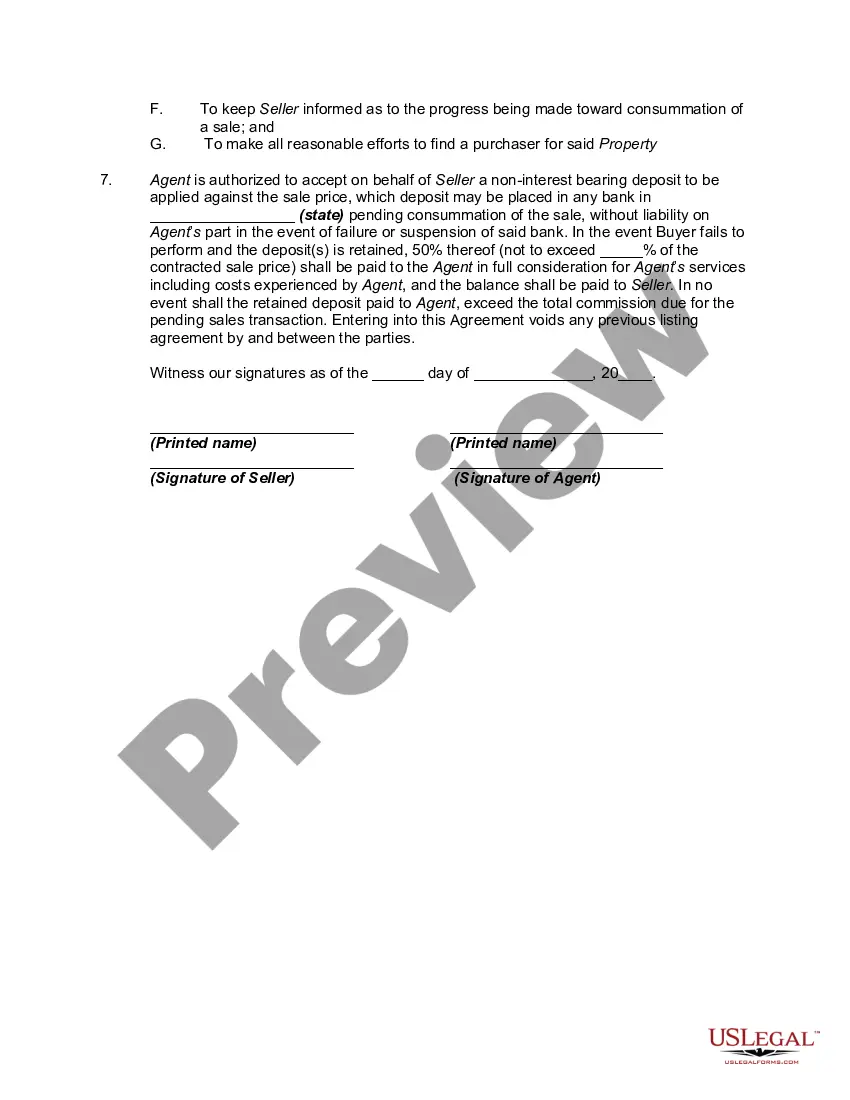

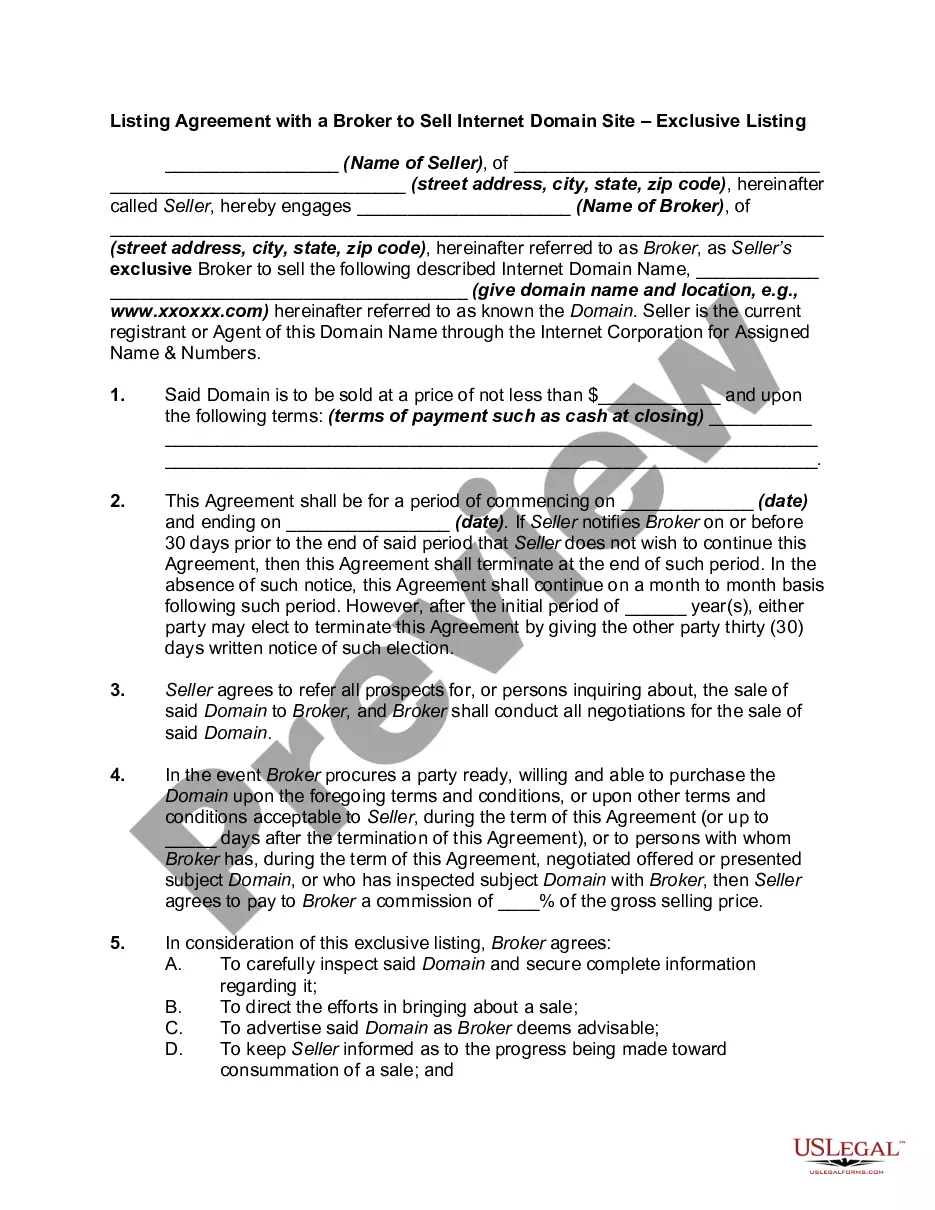
Get your form ready online
Our built-in tools help you complete, sign, share, and store your documents in one place.
Make edits, fill in missing information, and update formatting in US Legal Forms—just like you would in MS Word.
Download a copy, print it, send it by email, or mail it via USPS—whatever works best for your next step.
Sign and collect signatures with our SignNow integration. Send to multiple recipients, set reminders, and more. Go Premium to unlock E-Sign.
If this form requires notarization, complete it online through a secure video call—no need to meet a notary in person or wait for an appointment.
We protect your documents and personal data by following strict security and privacy standards.

Make edits, fill in missing information, and update formatting in US Legal Forms—just like you would in MS Word.

Download a copy, print it, send it by email, or mail it via USPS—whatever works best for your next step.

Sign and collect signatures with our SignNow integration. Send to multiple recipients, set reminders, and more. Go Premium to unlock E-Sign.

If this form requires notarization, complete it online through a secure video call—no need to meet a notary in person or wait for an appointment.

We protect your documents and personal data by following strict security and privacy standards.
Looking for another form?








Form popularity
FAQ
Regulating Real Estate Professionals. The Division of Real Estate and Professional Licensing is part of the Ohio Department of Commerce. This division is responsible for licensing Ohio's real estate brokers, salespeople, appraisers and foreign real estate dealers and salespeople.
Ohio offers two license levels: salesperson and broker. Only brokers are required to have previous real estate experience.
Real estate agents are licensed to help people buy, sell, and rent real estate and must work for a sponsoring broker or brokerage firm. Brokers have additional training and licensing requirements and can work independently or hire other real estate agents to work for them.
Step-by-Step Guide to Obtaining a Freight Broker License in Ohio Establish Your Business Entity. Register with the FMCSA and Obtain a USDOT Number. Designate a Process Agent. Secure Your Freight Broker Bond (BMC-84). Obtain Insurance Coverage. Submit Your FMCSA Application. Application Review and Approval.
You must be an active real estate agent for at least two years and complete at least 60 semester hours of post-secondary education. Completing the required 120 hours of broker education typically takes 3 to 6 months, depending on whether you attend full-time or part-time.
A commercial real estate broker is the expert intermediary between landlords and tenants. While they're always working to get the best outcomes for their clients, the roles and priorities of brokers change depending on which side of the transaction they're on.
A new Ohio law effective today drastically changes how Ohio real estate licensees represent clients, including when a prospective buyer wants to view a residential property. Licensees are now obligated to enter into a written agency representation agreement with a buyer before they can show a property to a buyer.
A commercial real estate broker is the expert intermediary between landlords and tenants. While they're always working to get the best outcomes for their clients, the roles and priorities of brokers change depending on which side of the transaction they're on.
The main difference between truck dispatcher and freight broker is who they work for. Brokers work for shippers, while dispatchers work for carriers. Brokers focus on finding the best rates and services for their clients, while dispatchers focus on managing the transportation process and ensuring timely delivery.
Step-by-Step Guide to Obtaining a Freight Broker License in Ohio Establish Your Business Entity. Register with the FMCSA and Obtain a USDOT Number. Designate a Process Agent. Secure Your Freight Broker Bond (BMC-84). Obtain Insurance Coverage. Submit Your FMCSA Application. Application Review and Approval.
