Signing A Listing Agreement In Nevada
Description

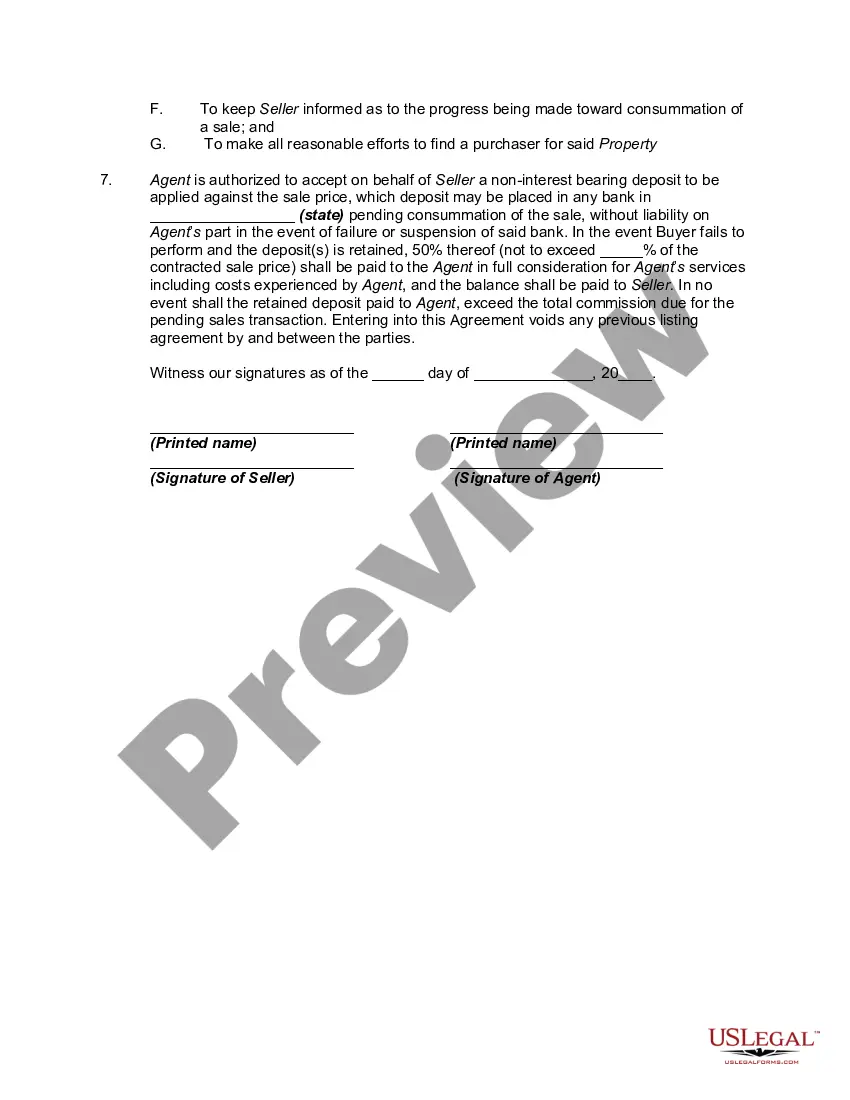

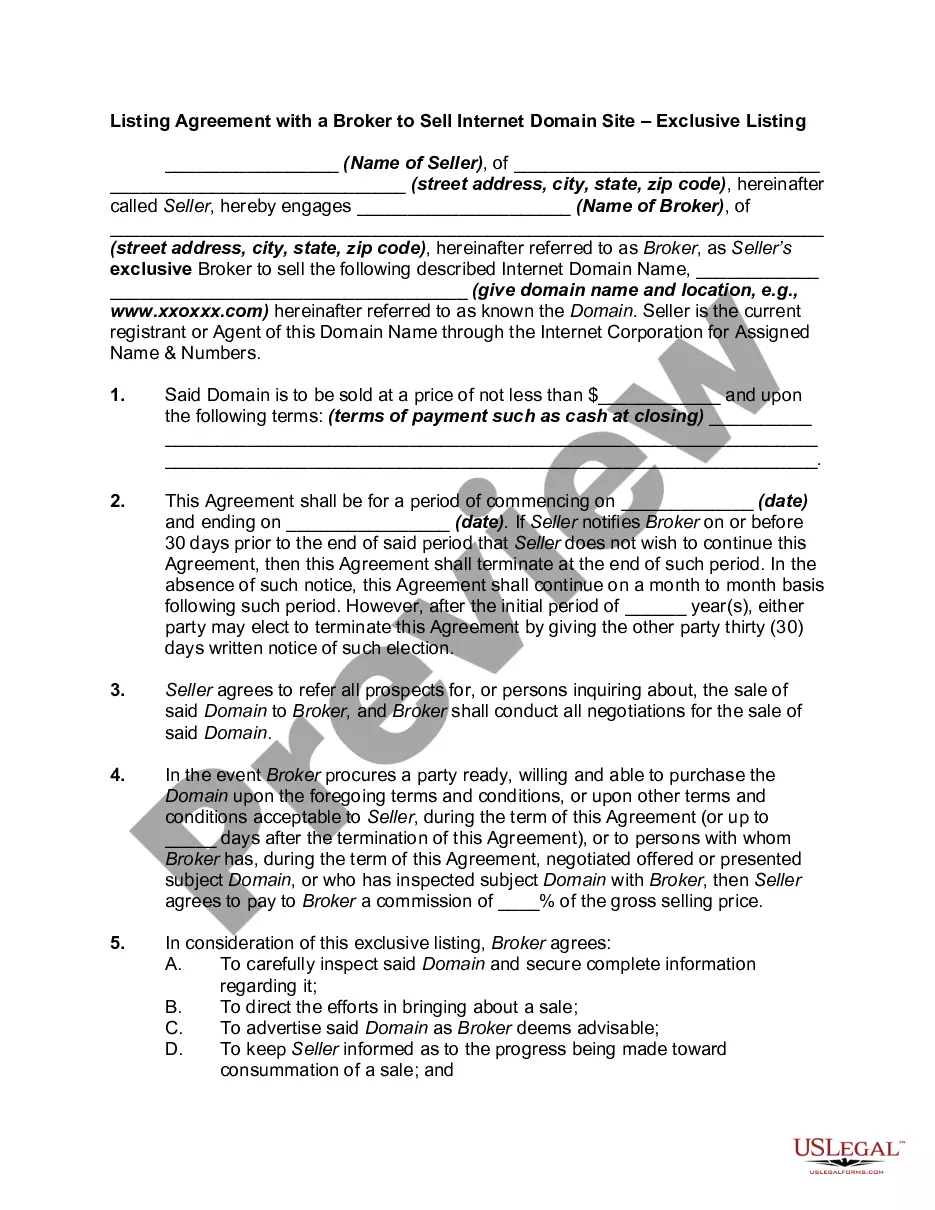
Get your form ready online
Our built-in tools help you complete, sign, share, and store your documents in one place.
Make edits, fill in missing information, and update formatting in US Legal Forms—just like you would in MS Word.
Download a copy, print it, send it by email, or mail it via USPS—whatever works best for your next step.
Sign and collect signatures with our SignNow integration. Send to multiple recipients, set reminders, and more. Go Premium to unlock E-Sign.
If this form requires notarization, complete it online through a secure video call—no need to meet a notary in person or wait for an appointment.
We protect your documents and personal data by following strict security and privacy standards.

Make edits, fill in missing information, and update formatting in US Legal Forms—just like you would in MS Word.

Download a copy, print it, send it by email, or mail it via USPS—whatever works best for your next step.

Sign and collect signatures with our SignNow integration. Send to multiple recipients, set reminders, and more. Go Premium to unlock E-Sign.

If this form requires notarization, complete it online through a secure video call—no need to meet a notary in person or wait for an appointment.

We protect your documents and personal data by following strict security and privacy standards.
Looking for another form?







Form popularity
FAQ
Listing agreements with real estate agents can vary, typically lasting anywhere from three months to a year. Regardless of the term, it's always disheartening when an agreement ends without a sale.
In Nevada, the most common type is the exclusive right to sell agreement. An exclusive right to sell agreement gives the listing agent exclusive rights to market and sell the property. This means that regardless of who finds the buyer for the property, the listing agent will receive the commission.
What is the average length of a listing agreement? Most contracts with a realtor have a duration of 3-6 months. However, the exact length of a listing agreement is negotiable and ultimately needs to be agreed upon by the seller.
Ing to the National Association of Realtors (NAR), failure is defined as those who get a real estate license and then leave the industry within the first five years. ing to them, 75% of real estate agents fail within the first year, and 87% fail within five years.
The exclusive right to sell listing agreement is the most common type of agreement in real estate. Under this arrangement, the broker is given exclusive rights to market the property for a set period.
Also, under the statute of frauds, a listing agreement must be in writing and must be signed by the seller. (If the property has more than one owner, only one of them has to sign the listing.) The broker usually also signs the listing agreement, although her signature is not strictly required.
Listing agents represent home sellers — as the name suggests, they create and promote the listing for a home that's for sale. Somewhat confusingly, selling agents represent the purchaser's interests and are therefore also known as buyer's agents.
The seller must complete the “Seller's Real Property Disclosure” form, detailing the condition of the property, known defects, and any other aspects of the property which may affect its use or value. A real estate licensee, unless he is the seller of the property, may not complete this form.
To be enforceable, the contract must be entered into voluntarily, have clearly agreed upon terms and conditions and demonstrate the exchange of “consideration”. Clearly agreed upon terms refers to the idea that everyone understands the nature of the deal being made.
Signatories sign legal documents, international agreements, and contracts. These types of documents have multiple parties that need to sign the agreement. Signers are anyone who needs to provide a signature to legal documents.
