Signing A Listing Agreement In Miami-Dade
Description

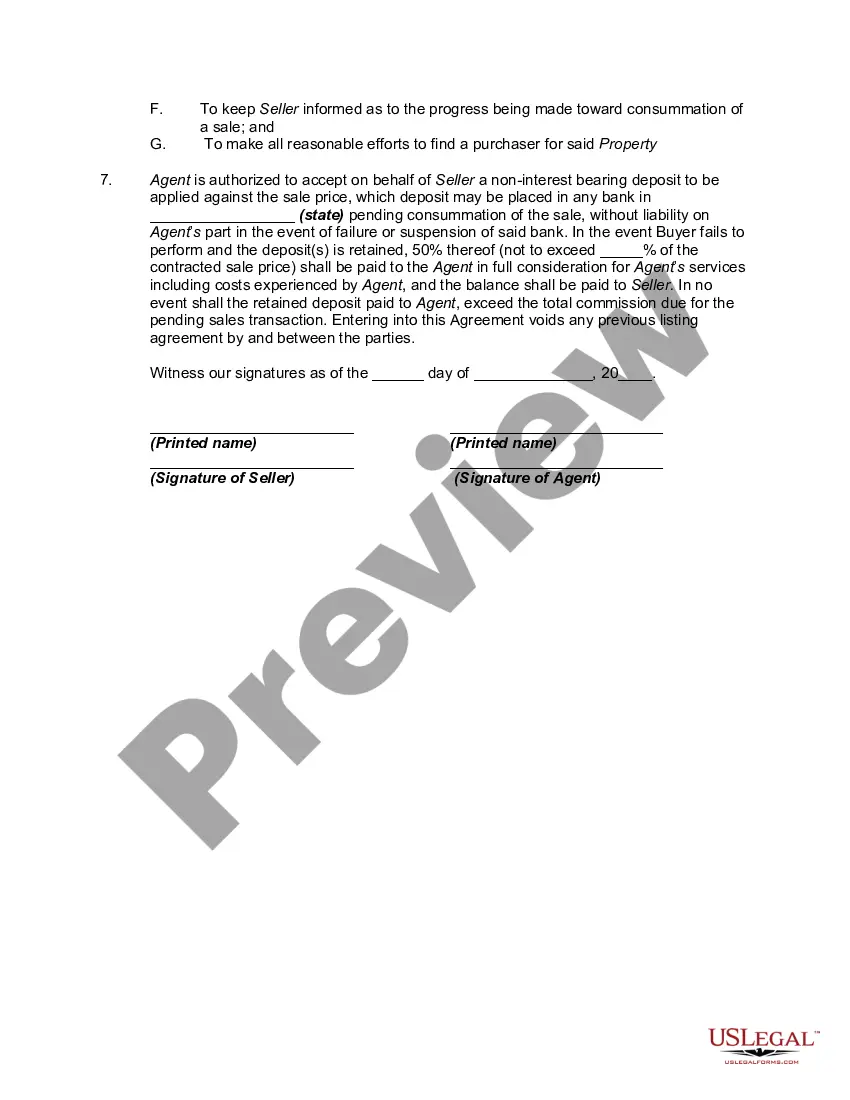

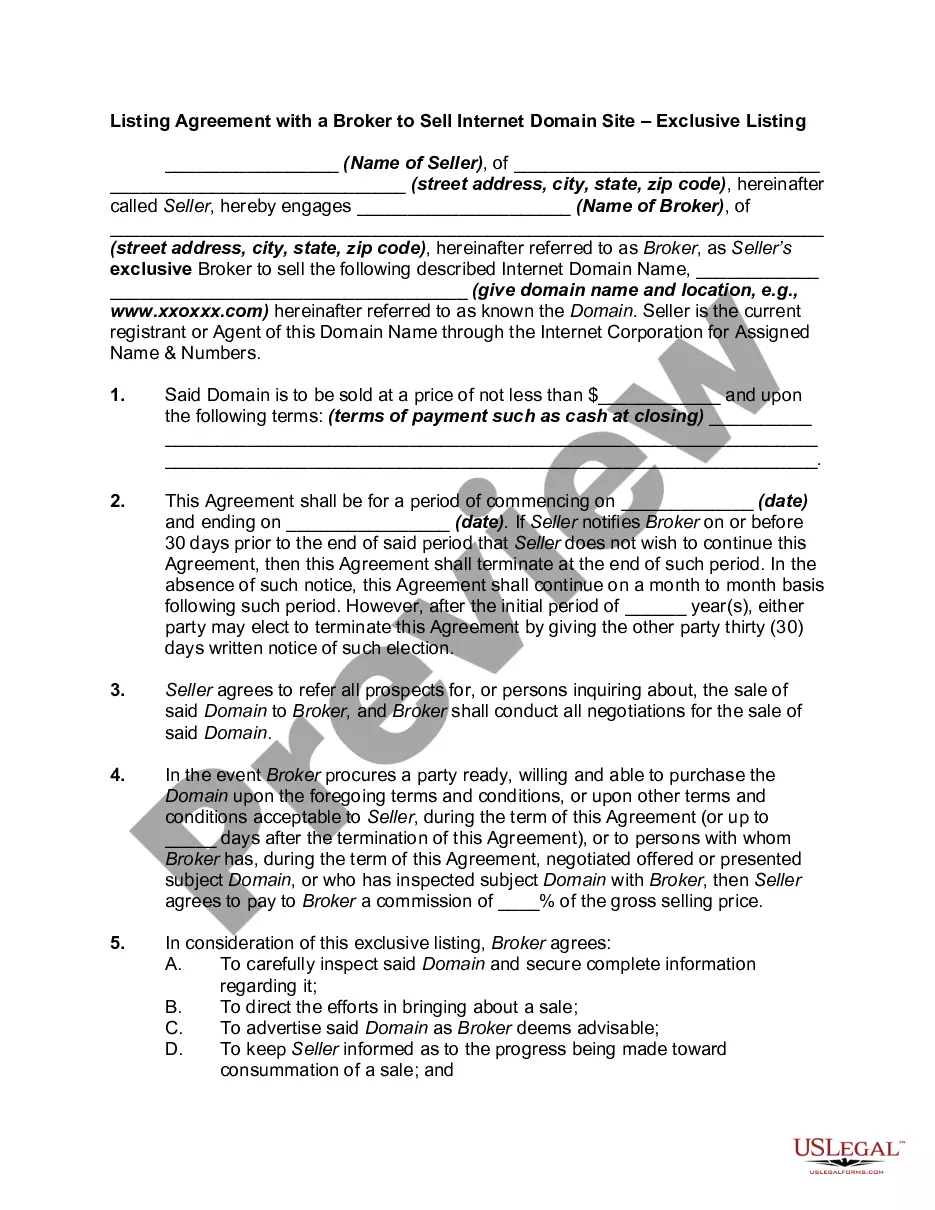
Get your form ready online
Our built-in tools help you complete, sign, share, and store your documents in one place.
Make edits, fill in missing information, and update formatting in US Legal Forms—just like you would in MS Word.
Download a copy, print it, send it by email, or mail it via USPS—whatever works best for your next step.
Sign and collect signatures with our SignNow integration. Send to multiple recipients, set reminders, and more. Go Premium to unlock E-Sign.
If this form requires notarization, complete it online through a secure video call—no need to meet a notary in person or wait for an appointment.
We protect your documents and personal data by following strict security and privacy standards.

Make edits, fill in missing information, and update formatting in US Legal Forms—just like you would in MS Word.

Download a copy, print it, send it by email, or mail it via USPS—whatever works best for your next step.

Sign and collect signatures with our SignNow integration. Send to multiple recipients, set reminders, and more. Go Premium to unlock E-Sign.

If this form requires notarization, complete it online through a secure video call—no need to meet a notary in person or wait for an appointment.

We protect your documents and personal data by following strict security and privacy standards.
Looking for another form?








Form popularity
FAQ
The last of the three major types of Listing Agreements is the Open Listing Agreement. This agreement is also called the Non-Exclusive Listing Agreement. Here, like in the Exclusive Agency Listing Agreement, the agent is only entitled to their commission if they actually sell the property.
An open listing in real estate is a property for sale that may be shown by multiple real estate agents. The agents compete to find a buyer for the property.
With an open listing, you could theoretically hire multiple agents to market your home. Exclusive agency falls somewhere in the middle. Exclusive agency means you agree to let one agent and their brokerage (basically, the company they work for) be the only ones to market your home.
Listing agents represent home sellers — as the name suggests, they create and promote the listing for a home that's for sale. Somewhat confusingly, selling agents represent the purchaser's interests and are therefore also known as buyer's agents.
Also, under the statute of frauds, a listing agreement must be in writing and must be signed by the seller. (If the property has more than one owner, only one of them has to sign the listing.) The broker usually also signs the listing agreement, although her signature is not strictly required.
Signatories sign legal documents, international agreements, and contracts. These types of documents have multiple parties that need to sign the agreement. Signers are anyone who needs to provide a signature to legal documents.
Taking Action Ask for a release: The time to ask about canceling a listing is when you sign the listing contract. Request a release in writing: Tell your agent immediately if you want to cancel. Ask to be assigned another agent: Realize that your listing is between the brokerage and you, not you and your agent.
Canceling a listing agreement If a seller decides to cancel a listing agreement such as an Exclusive Right of Sale Listing Agreement before its termination date, it is up to the broker to let the seller out of the agreement. There is no unilateral right to terminate the Exclusive Right of Sale Listing Agreement.
