Broker Property Real Force In Miami-Dade
Description

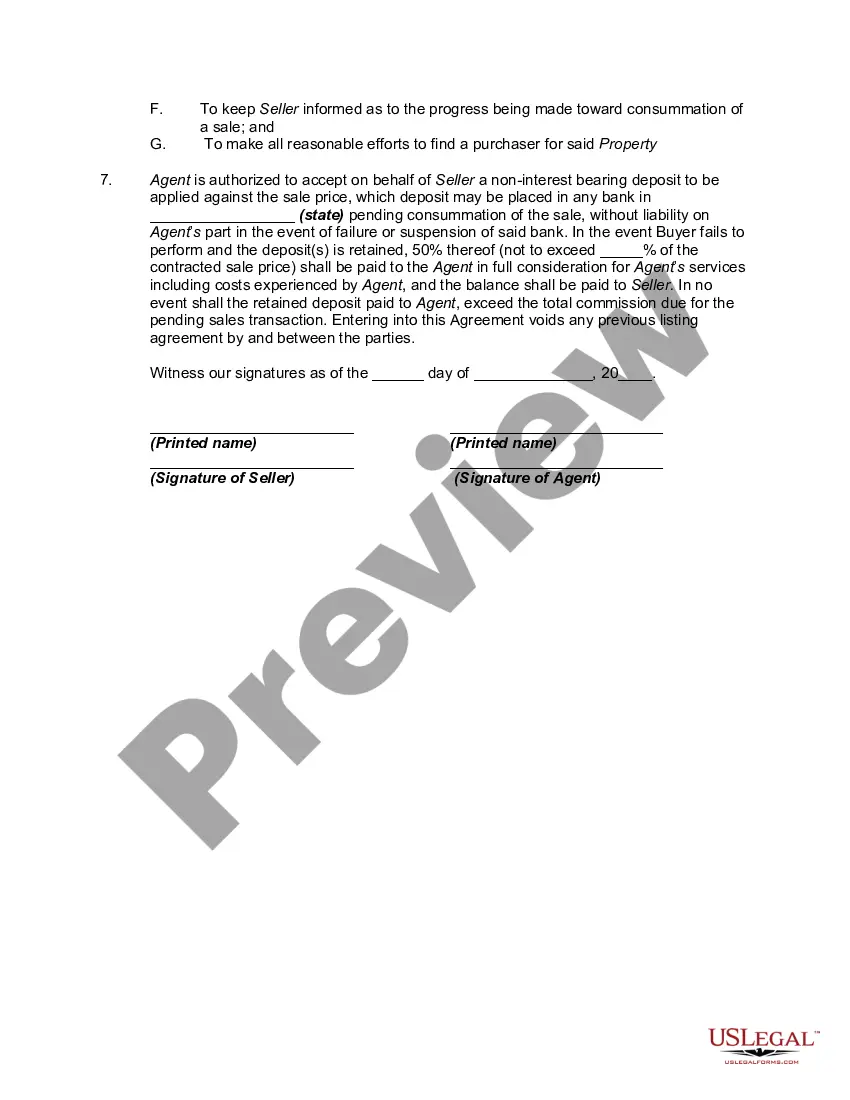

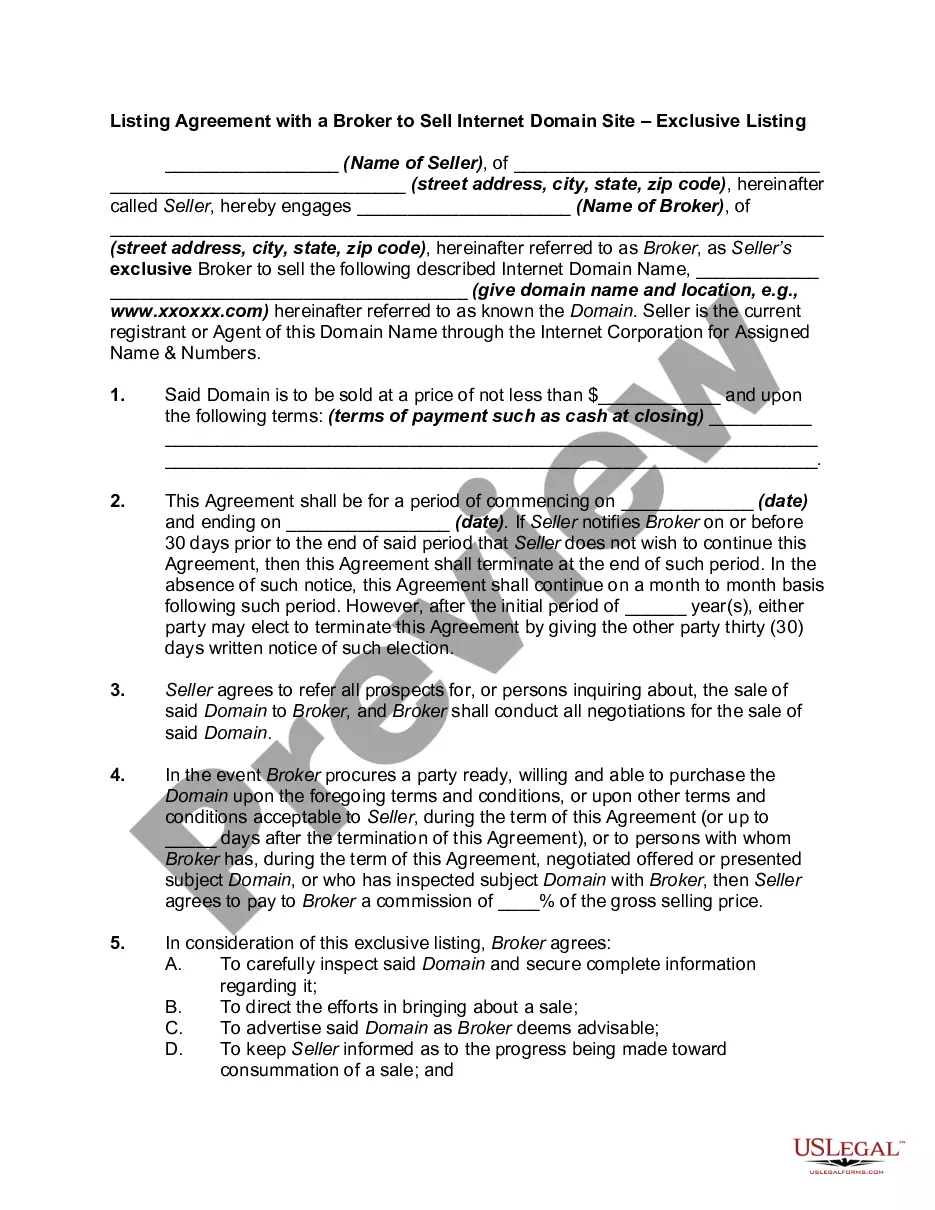
Get your form ready online
Our built-in tools help you complete, sign, share, and store your documents in one place.
Make edits, fill in missing information, and update formatting in US Legal Forms—just like you would in MS Word.
Download a copy, print it, send it by email, or mail it via USPS—whatever works best for your next step.
Sign and collect signatures with our SignNow integration. Send to multiple recipients, set reminders, and more. Go Premium to unlock E-Sign.
If this form requires notarization, complete it online through a secure video call—no need to meet a notary in person or wait for an appointment.
We protect your documents and personal data by following strict security and privacy standards.

Make edits, fill in missing information, and update formatting in US Legal Forms—just like you would in MS Word.

Download a copy, print it, send it by email, or mail it via USPS—whatever works best for your next step.

Sign and collect signatures with our SignNow integration. Send to multiple recipients, set reminders, and more. Go Premium to unlock E-Sign.

If this form requires notarization, complete it online through a secure video call—no need to meet a notary in person or wait for an appointment.

We protect your documents and personal data by following strict security and privacy standards.
Looking for another form?










Form popularity
FAQ
The County Recorder's Office is responsible for the recording, protecting, preserving and disseminating of official records.
The folio number is a means by which properties are identified in Miami-Dade County. It is also referred to as the parcel identifier and represents a unique number that computer systems use to associate to a property. The folio number is formatted as a 13 digit number (99-9999-999-9999).
Call the Tax Collector's office at 305-270-4916.
In Miami-Dade, the County Recorder's Office is responsible for recording, protecting, and preserving official records. After a quitclaim deed is properly drafted, filled out, and signed, one of the interested parties in the real estate transaction must record the document.
After consulting with the property owner, the attorney will prepare the quitclaim deed to ensure that the owner's objectives are realized and that the legal description it accurate.
Unethical agents will often use fraudulent misrepresentation to win a listing, sell a property faster, or push for a property to sell faster. Such actions violate ethical standards and are illegal in many jurisdictions.
The Real Estate License Law prohibits brokers in a transaction from acting for more than one party without the knowledge of all parties for whom the broker acts. The most common complaints deal with dual agency, seller subagency, and special relationships between the parties.
Meseck, the most common complaints involve: Septic systems. Solar leases. Failure to disclose and Seller's Property Disclosures. Water rights. Miscommunication. Agent-owned property and additional supervision. Multiple offers. Unpermitted work.
However, It is important to note that all real estate agents in Florida must be licensed and operate under the supervision of a licensed real estate broker.
Contact the FREC at (850) 487-1395.
