Broker Property Real With You Chief In Hennepin
Description

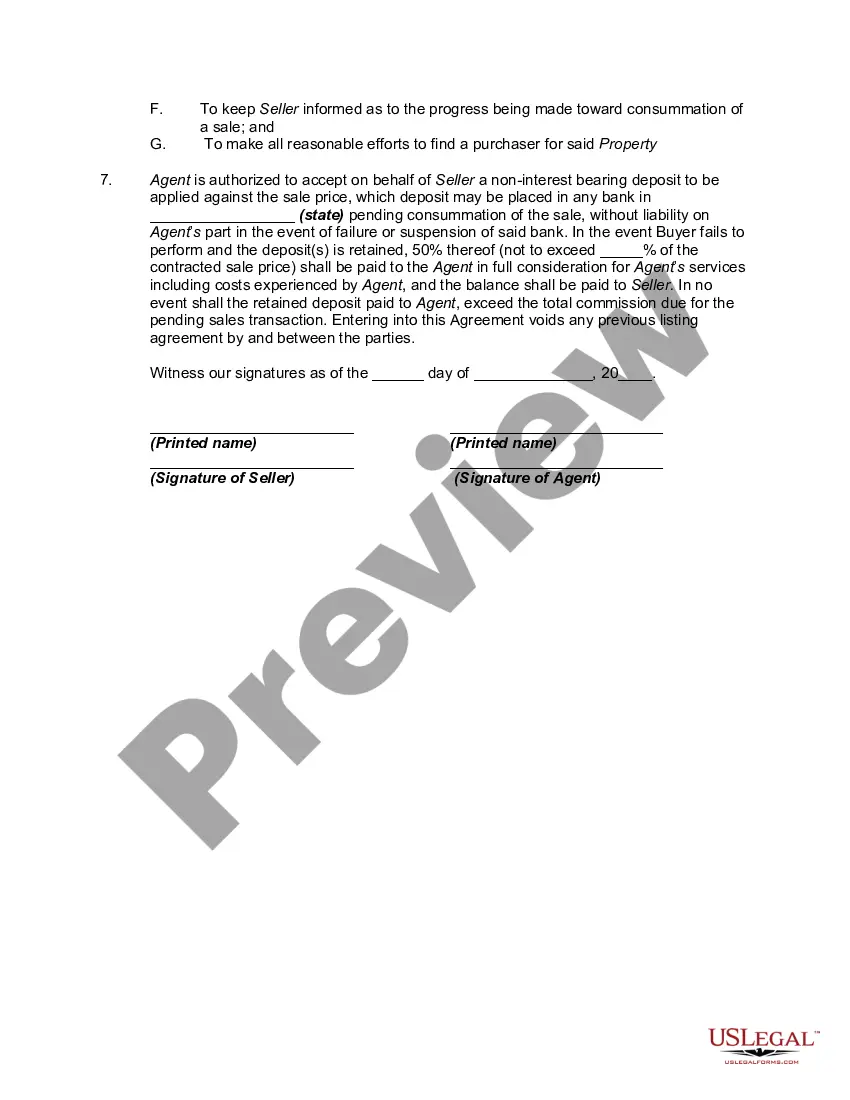

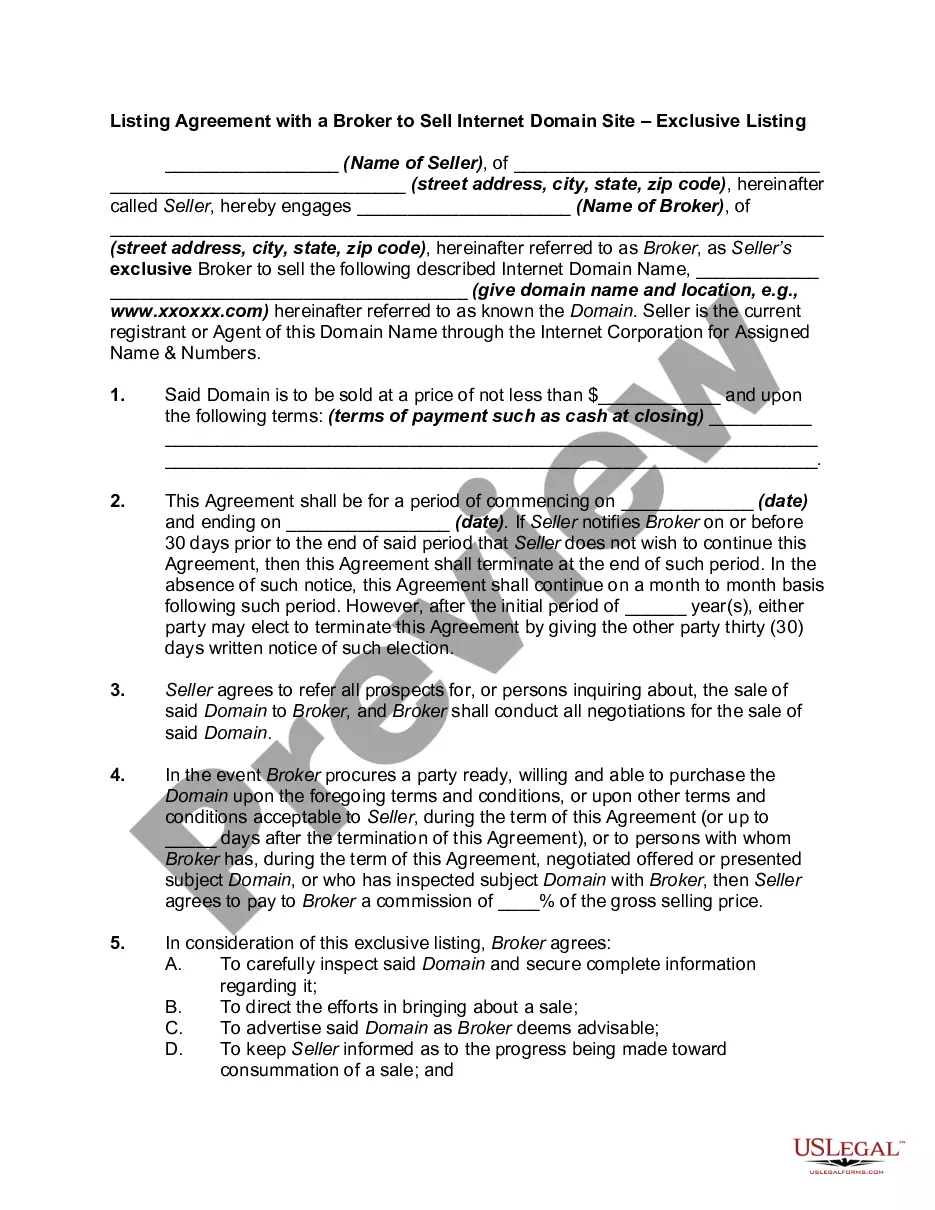
Get your form ready online
Our built-in tools help you complete, sign, share, and store your documents in one place.
Make edits, fill in missing information, and update formatting in US Legal Forms—just like you would in MS Word.
Download a copy, print it, send it by email, or mail it via USPS—whatever works best for your next step.
Sign and collect signatures with our SignNow integration. Send to multiple recipients, set reminders, and more. Go Premium to unlock E-Sign.
If this form requires notarization, complete it online through a secure video call—no need to meet a notary in person or wait for an appointment.
We protect your documents and personal data by following strict security and privacy standards.

Make edits, fill in missing information, and update formatting in US Legal Forms—just like you would in MS Word.

Download a copy, print it, send it by email, or mail it via USPS—whatever works best for your next step.

Sign and collect signatures with our SignNow integration. Send to multiple recipients, set reminders, and more. Go Premium to unlock E-Sign.

If this form requires notarization, complete it online through a secure video call—no need to meet a notary in person or wait for an appointment.

We protect your documents and personal data by following strict security and privacy standards.
Looking for another form?
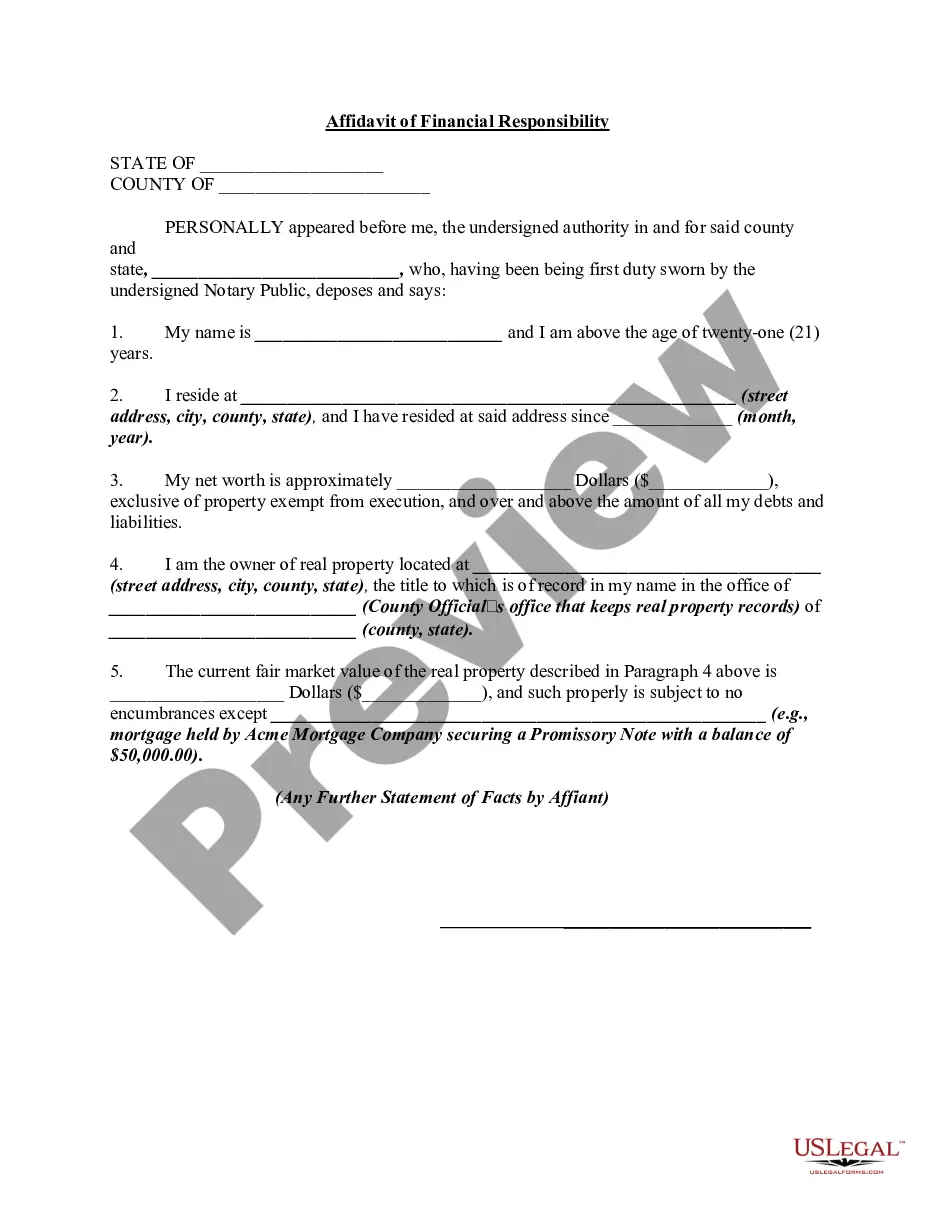
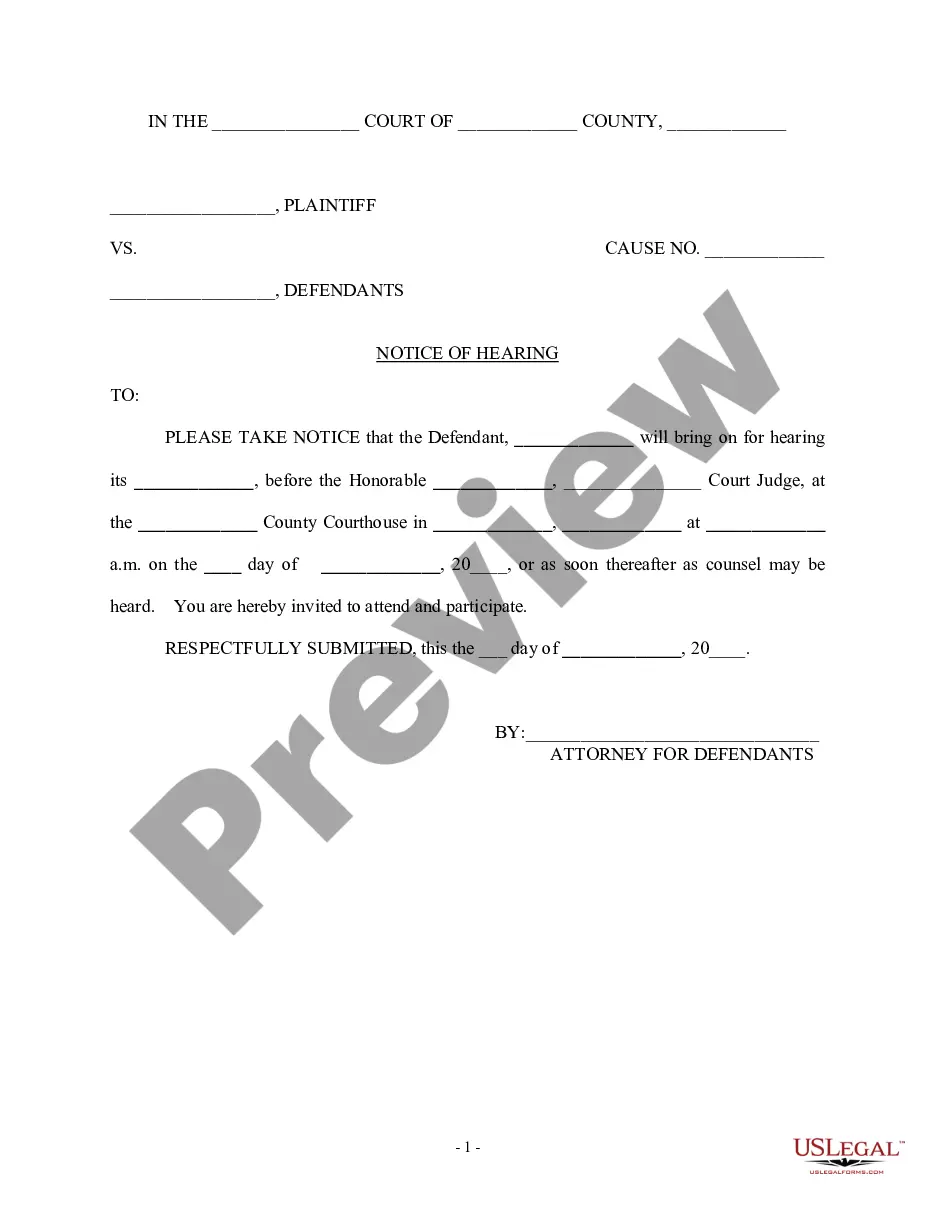


Form popularity
FAQ
Legal descriptions appear in deeds, mortgages, and other documents that affect the property. Most legal descriptions include the name of the county in which the property is located. Each legal description identifies one and only one piece of property in the county in which it is used.
The primary responsibility of the County Recorder is to accept and maintain a permanent public repository of real estate records. Types of documents in the repository include deeds, mortgages, contracts for deed, mortgage satisfactions, foreclosure records, probate documents, and easements.
Looking for your property tax statement? You can get a copy of your property tax statement from the county website or county treasurer where the property is located. For websites and contact information, visit County Websites on Minnesota.
Parcel boundary data, maps and ownership records are maintained at the county level, usually by the recorder's, assessor's or land surveyor's offices. Many Minnesota counties keep records in digital format and provide parcel information websites for use by the general public.
Property Tax Formula Taxable Market Value X Class Rate = Tax Capacity. Tax Capacity X Local Tax Rates = Base Tax. Base Tax - Credits + Referendum Levy and State General Tax = Property Tax Due.
You may come into the Recorder's Office and look at the official plat, order a copy online by entering the name of the plat instead of the document number, search for the property on LandShark GIS, search/download the plat using LandShark online searching, or contact the Public Works Department at 651-213-8700. 5.
How to File a Quitclaim Deed in Minnesota Step 1: Locate the Current Property Deed. Step 2: Find the Property's Legal Description. Step 3: Complete the Quitclaim Form. Step 4: Complete Disclosures. Step 5: Sign Before a Notary. Step 6: File the Deed With the County Recorder's Office.
Hennepin County Property Tax Rates Hennepin County's 1.16% average effective property tax rate is higher than Minnesota's state average effective rate of 1.05%. The median home value in Hennepin County is $358,000, and the median annual property tax payment is $4,142.
Call 612-348-3000, Monday through Friday, 8 a.m. to p.m.