Listing Agreement Commercial With Marisa In Harris
Description

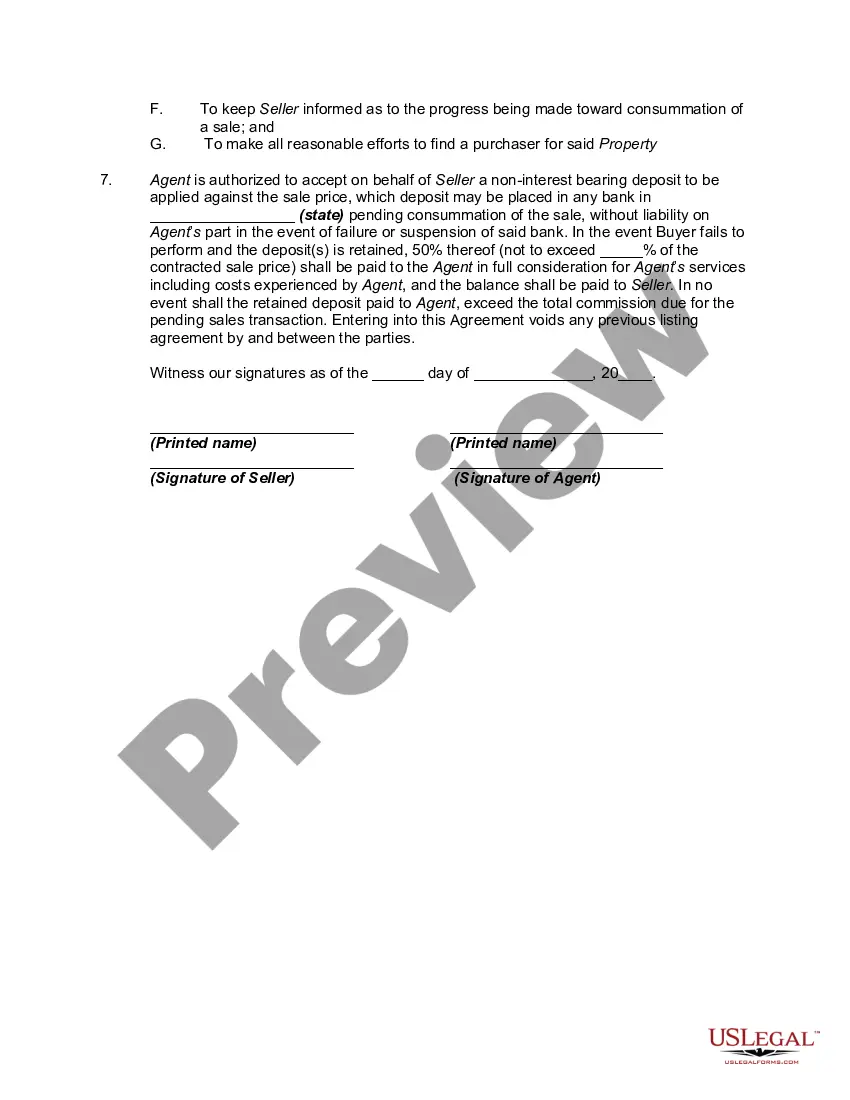

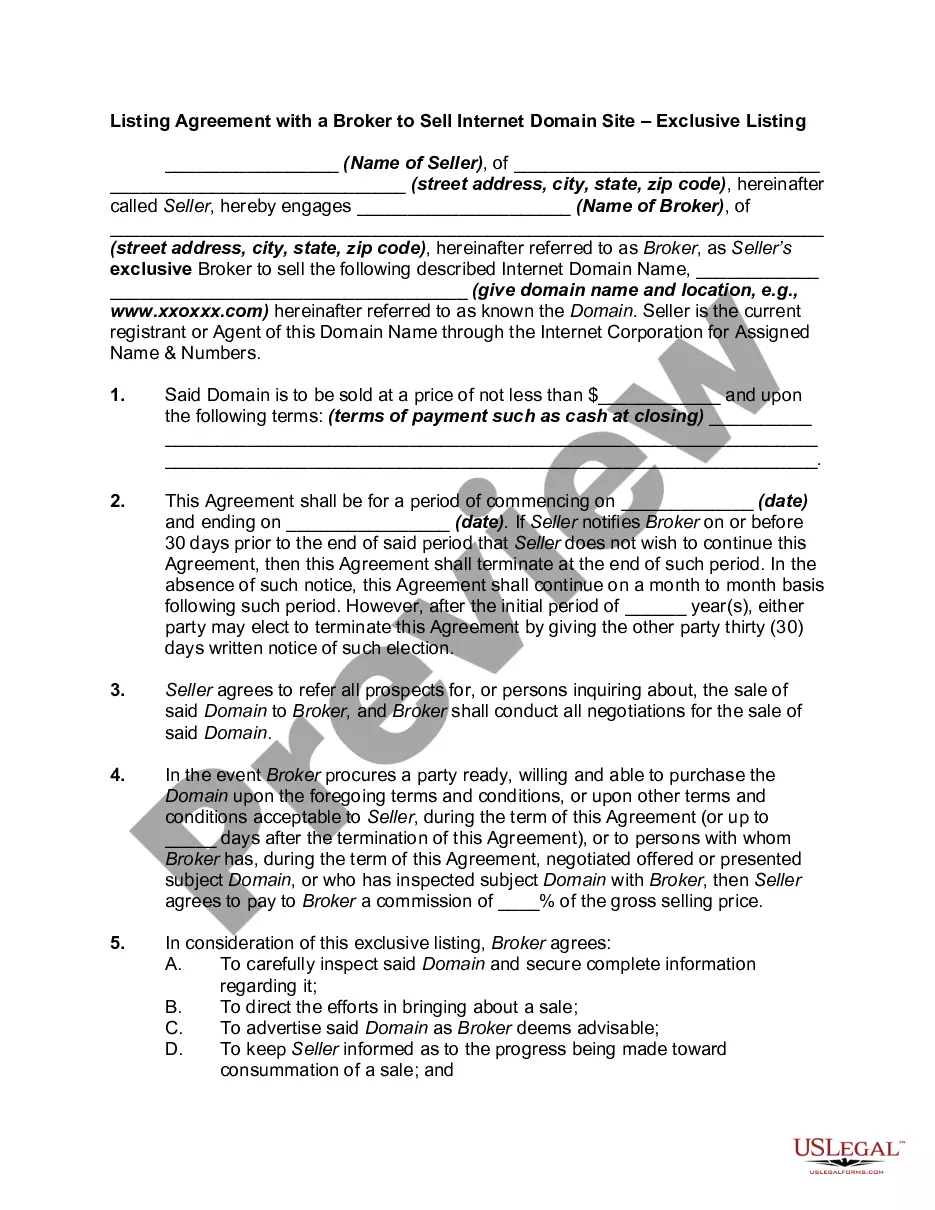
Get your form ready online
Our built-in tools help you complete, sign, share, and store your documents in one place.
Make edits, fill in missing information, and update formatting in US Legal Forms—just like you would in MS Word.
Download a copy, print it, send it by email, or mail it via USPS—whatever works best for your next step.
Sign and collect signatures with our SignNow integration. Send to multiple recipients, set reminders, and more. Go Premium to unlock E-Sign.
If this form requires notarization, complete it online through a secure video call—no need to meet a notary in person or wait for an appointment.
We protect your documents and personal data by following strict security and privacy standards.

Make edits, fill in missing information, and update formatting in US Legal Forms—just like you would in MS Word.

Download a copy, print it, send it by email, or mail it via USPS—whatever works best for your next step.

Sign and collect signatures with our SignNow integration. Send to multiple recipients, set reminders, and more. Go Premium to unlock E-Sign.

If this form requires notarization, complete it online through a secure video call—no need to meet a notary in person or wait for an appointment.

We protect your documents and personal data by following strict security and privacy standards.
Looking for another form?

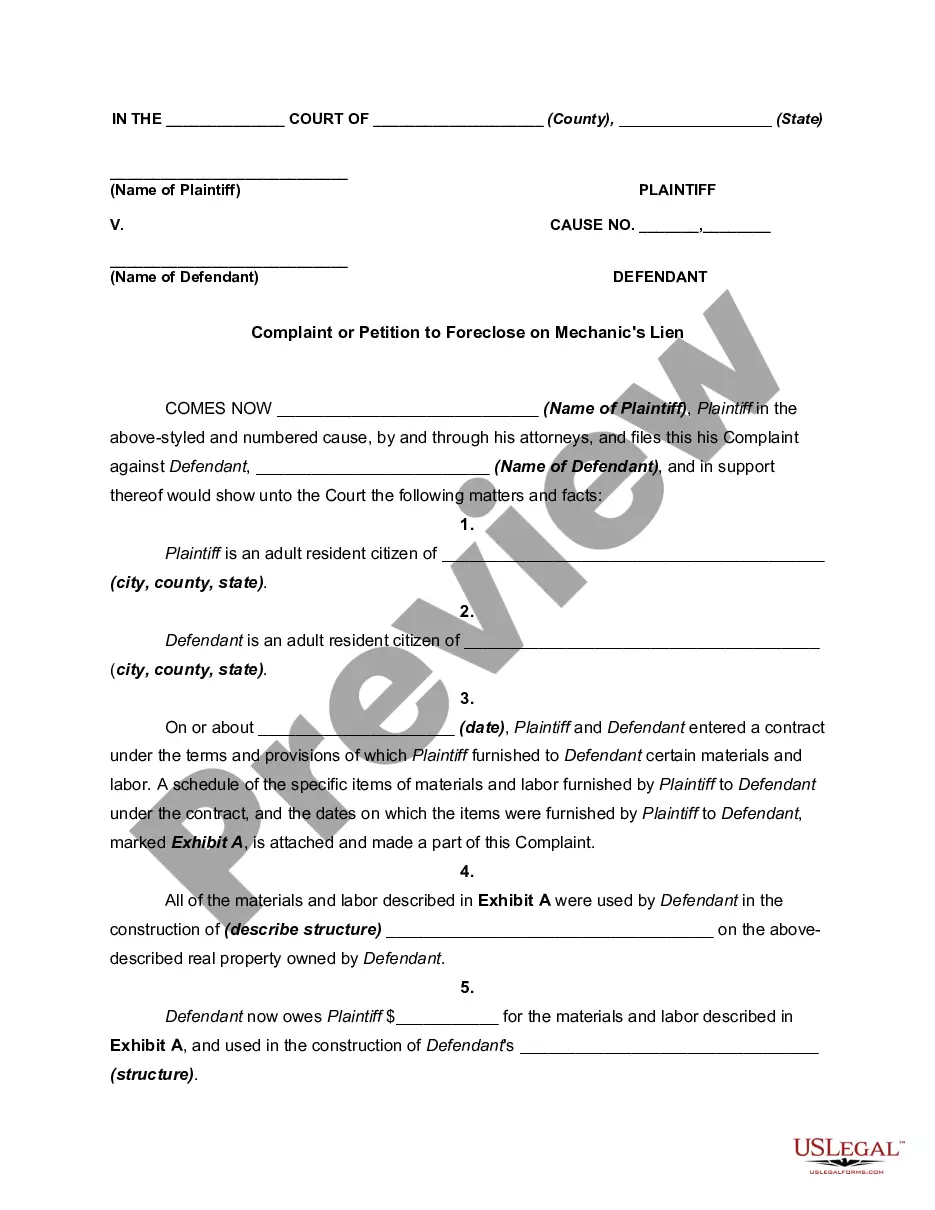
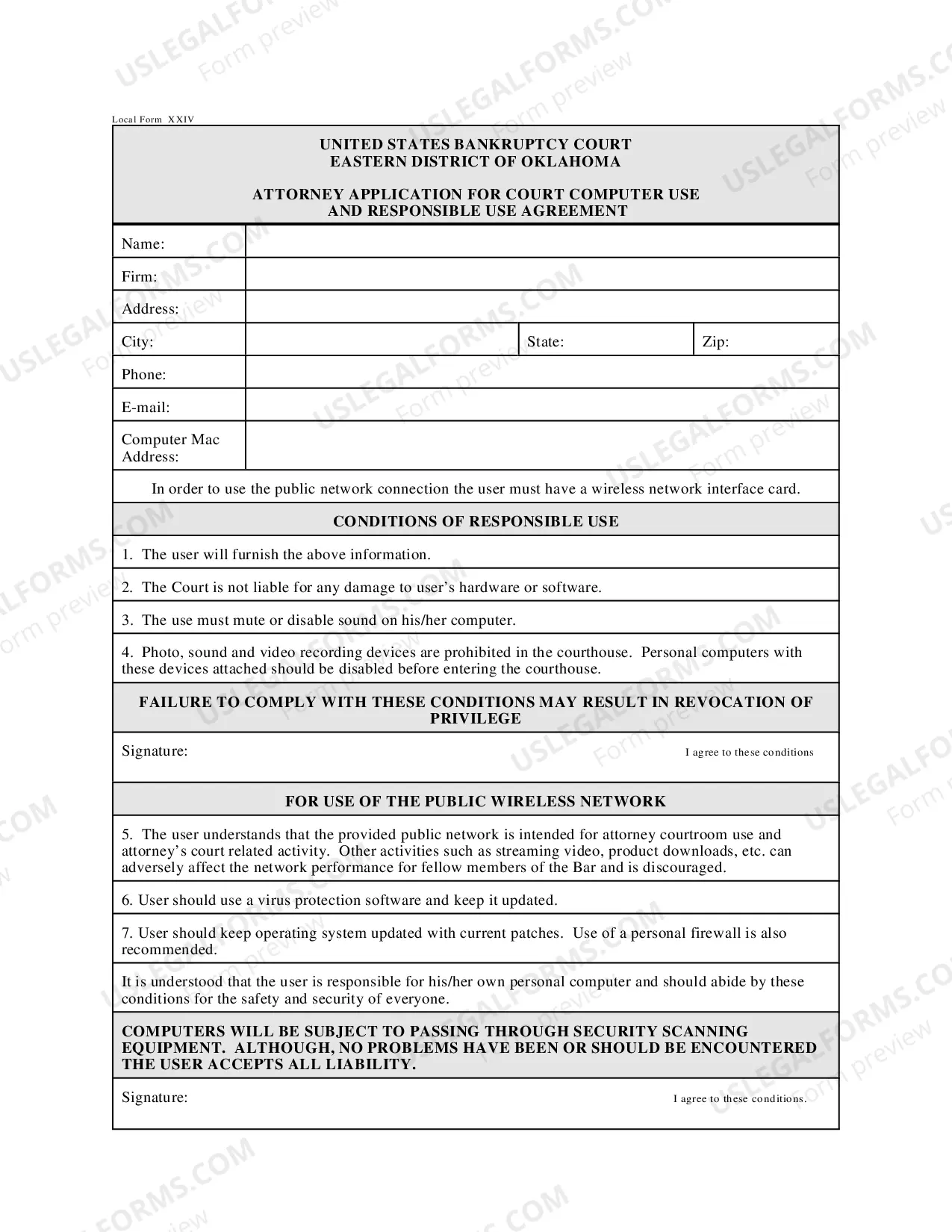

Form popularity
FAQ
How to write a letter of intent for business Write the introduction. Describe the transaction and timeframes. List contingencies. Go through due diligence. Include covenants and other binding agreements. State that the agreement is nonbinding. Include a closing date.
How do you start a business letter in the first sentence? You'll want to start your letter with exactly why you are writing. Start with a phrase like “I am reaching out regarding” or “I am writing to request” and then finish the sentence with the specific topic of your letter.
A Letter of Intent (LOI) is a preliminary document that outlines the basic terms and conditions of a potential commercial real estate transaction. It serves as a non-binding agreement between the buyer and seller or landlord and tenant, laying the groundwork for further negotiations and formal agreements.
The letter of intent should include the following six things: A Statement Declaring Your Interest in Leasing the Space. A Description of Your Company. An Outline of On-Site Employees, Equipment, and Machinery. Your Business Hours. An Overview of Your Current Space. Contact Details.
Components of a LOI Opening Paragraph: Your summary statement. Statement of Need: The "why" of the project. ( ... Project Activity: The "what" and "how" of the project. ( ... Outcomes (1–2 paragraphs; before or after the Project Activity) ... Credentials (1–2 paragraphs) ... Budget (1–2 paragraphs) ... Closing (1 paragraph) ... Signature.
To be legally enforceable, an agreement must contain all of the following criteria: An offer and acceptance; Certainty of terms; Consideration; An intention to create legal relations; Capacity of the parties; and, Legality of purpose.
Essential elements typically include offer, acceptance, consideration, and the intention to create legal relations. Missing any of these components can make a contract void or unenforceable, thus understanding these basics is crucial as they form the legal foundation upon which contracts are built.
Who pays closing costs in Florida? In Florida, similarly to other states, closing costs are charges that applied to both parties in a real estate transaction, the buyer AND the seller.
FSBO contracts in Florida should include the following: Contract Title. Details of Seller and Buyer: Full names, marital status and contact information. Contract Date: The date of execution. Property Details. Payment terms. Real Estate Taxes: Detail who pays real estate taxes and how.
This means they must be of sound mind and at least 18 years old. Additionally, the contract must be for a lawful purpose; a contract for an illegal act is not enforceable. Finally, a real estate contract in Florida must be in writing and signed by the parties involved.