Broker Property Real Foreclosure In Georgia
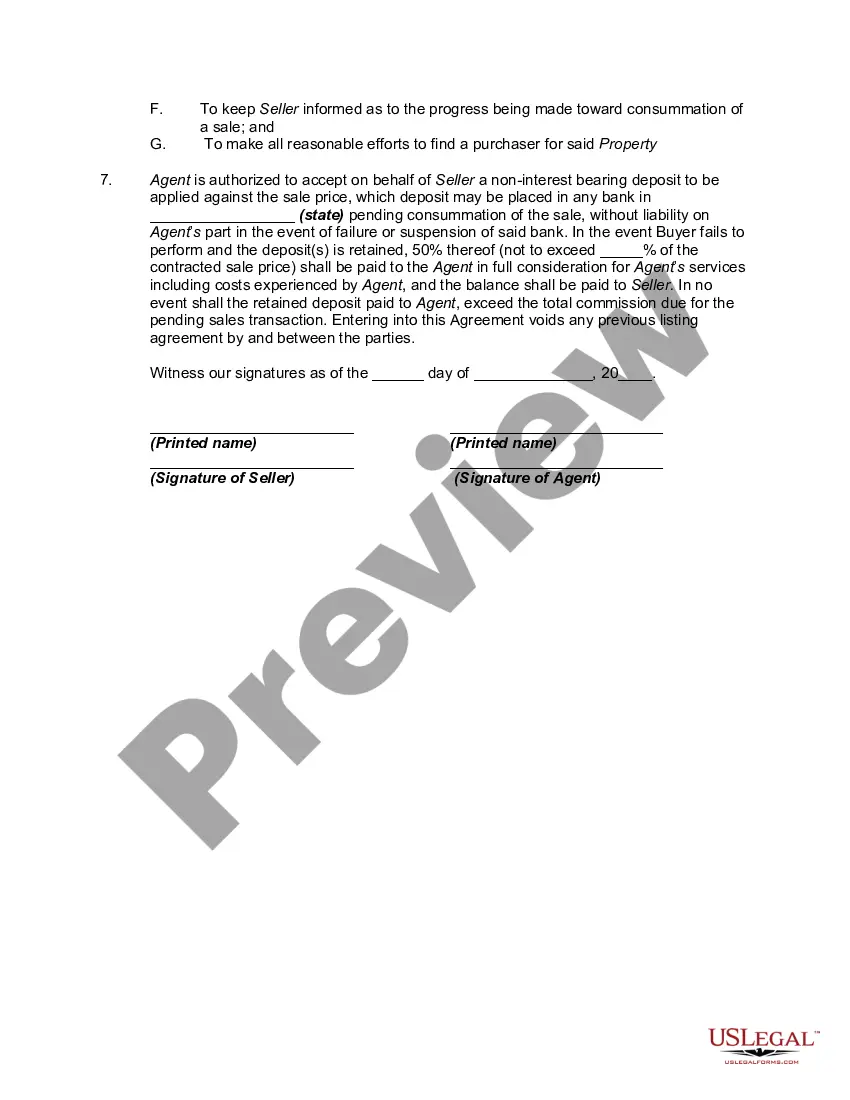
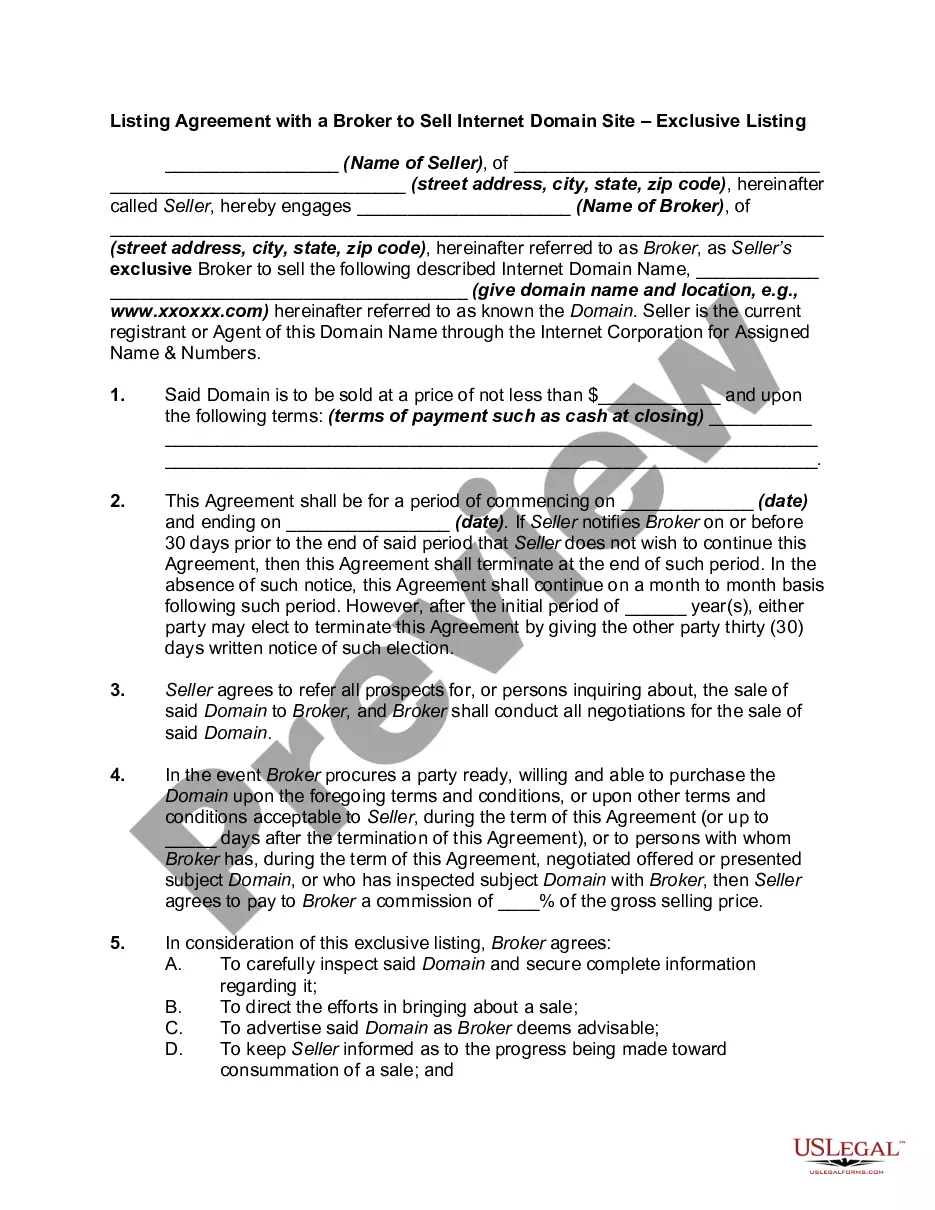
Description


Get your form ready online
Our built-in tools help you complete, sign, share, and store your documents in one place.
Make edits, fill in missing information, and update formatting in US Legal Forms—just like you would in MS Word.
Download a copy, print it, send it by email, or mail it via USPS—whatever works best for your next step.
Sign and collect signatures with our SignNow integration. Send to multiple recipients, set reminders, and more. Go Premium to unlock E-Sign.
If this form requires notarization, complete it online through a secure video call—no need to meet a notary in person or wait for an appointment.
We protect your documents and personal data by following strict security and privacy standards.

Make edits, fill in missing information, and update formatting in US Legal Forms—just like you would in MS Word.

Download a copy, print it, send it by email, or mail it via USPS—whatever works best for your next step.

Sign and collect signatures with our SignNow integration. Send to multiple recipients, set reminders, and more. Go Premium to unlock E-Sign.

If this form requires notarization, complete it online through a secure video call—no need to meet a notary in person or wait for an appointment.

We protect your documents and personal data by following strict security and privacy standards.
Looking for another form?





Form popularity
FAQ
Foreclosures occur in the State of Georgia on the first Tuesday of each month, and the mortgage company must give you notice and publish the foreclosure in the local newspaper four weeks prior to the foreclosure. The foreclosure is followed by an eviction process of 14 to 30 days.
The foreclosure timeline in Georgia can be as short as 60 days from the Notice of Default to the foreclosure sale. After 30 days of missed payments, lenders send a Notice of Default. If the default isn't resolved, the property can be scheduled for auction just 60 days later.
The tenant can stay for at least 90 days or for the rest of the lease, whichever is greater. But, if the new owner plans to live in the property, then the tenant only has the right to remain in the property for 90 days. The law applies to all foreclosures on all residential properties.
Foreclosure Rates by State 2024 StateForeclosure Rate (1/every XHU)% Change In Q1 2022 California 1,404 -3.74% Connecticut 1,392 14.99% Georgia 1,358 9.97% New York 1,331 1.03%47 more rows
There is no legal definition of a “squatter.”In this case, this person is a tenant;When you buy the land, their tenancy transfers;Since they are a "tenant at will" GA law just requires a 60-day written notice for them to vacate.
How does foreclosure work in Georgia? Georgia is a “non-judicial foreclosure” state. That means the lender can foreclose on your home without filing suit or appearing in court before a judge.
How does foreclosure work in Georgia? Georgia is a “non-judicial foreclosure” state. That means the lender can foreclose on your home without filing suit or appearing in court before a judge.
How does foreclosure work in Georgia? Georgia is a “non-judicial foreclosure” state. That means the lender can foreclose on your home without filing suit or appearing in court before a judge.
Guidelines & Requirements The redemption must take place within 12 months of the date of the sale or at any time after the sale until the right to redeem is foreclosed.
