Agreement Broker Real Estate Without License In Franklin
Description

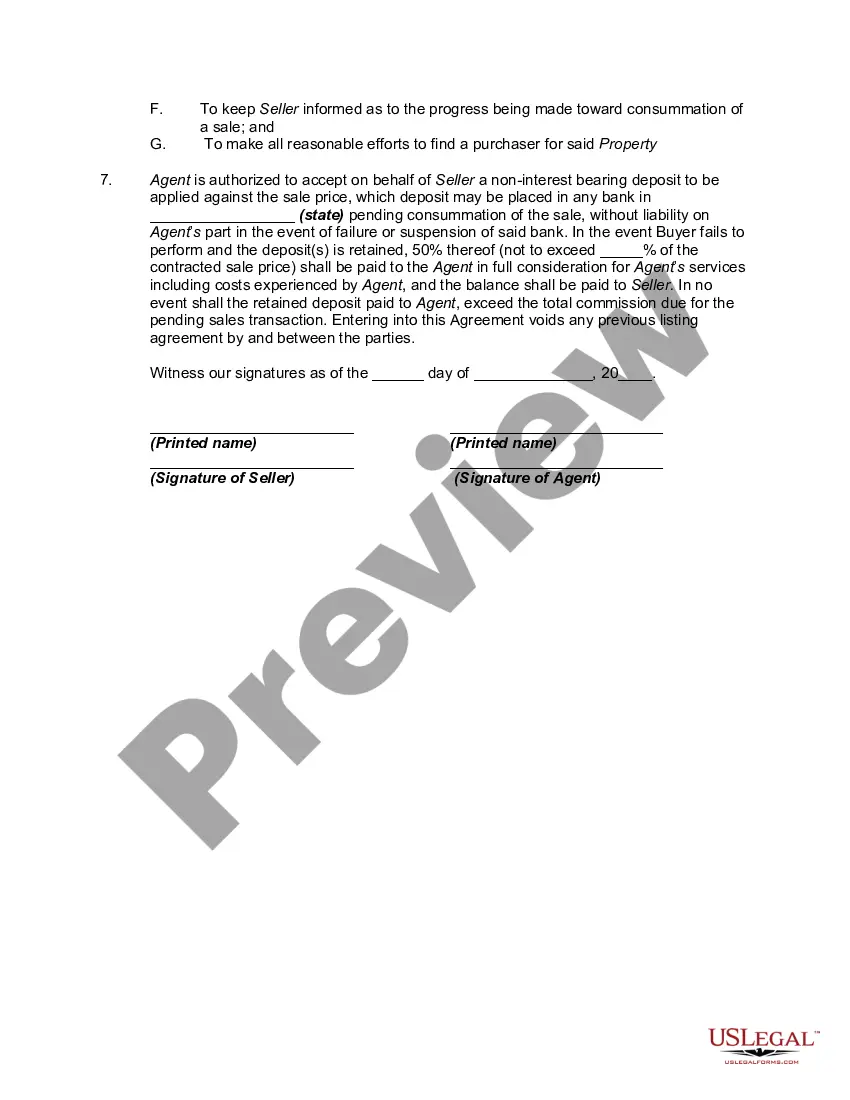

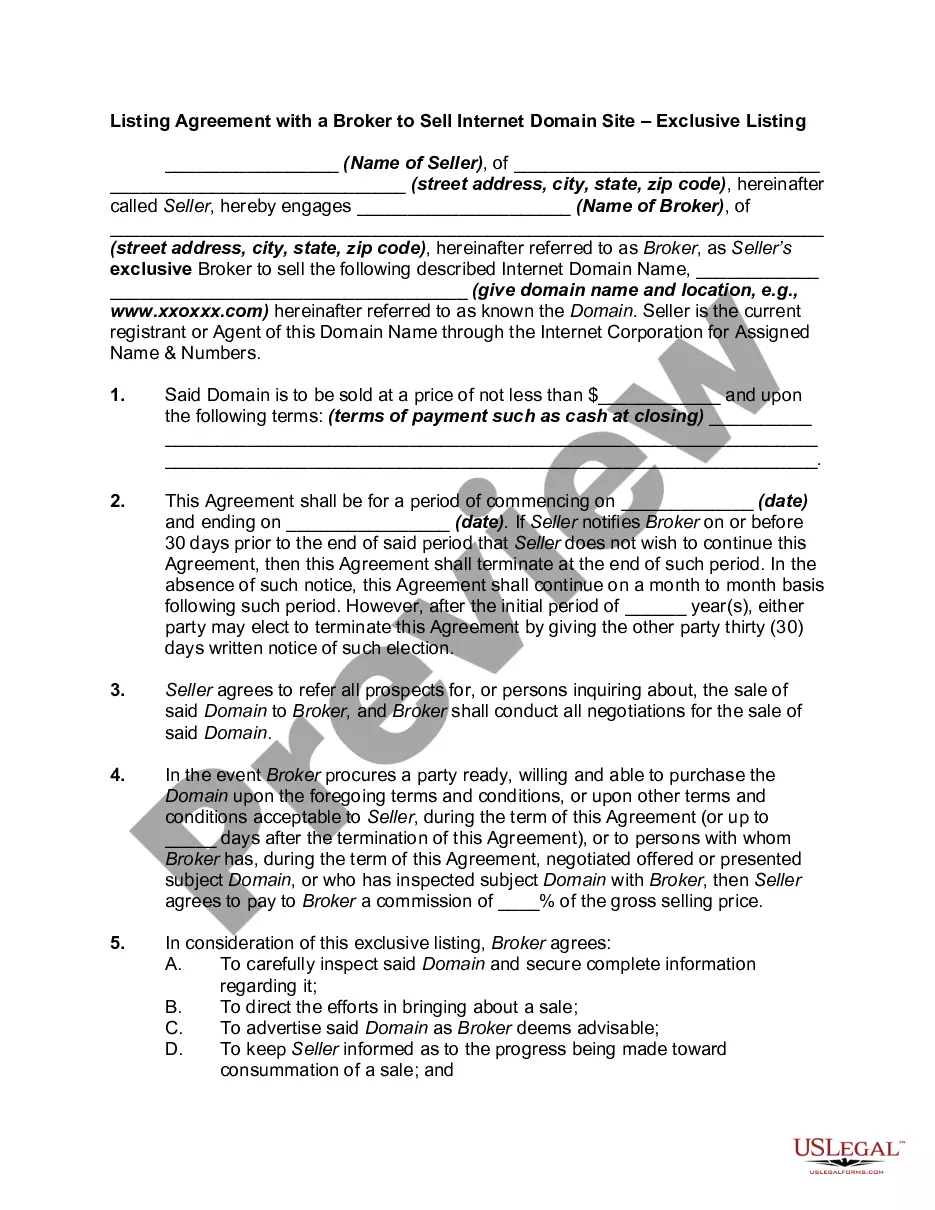
Get your form ready online
Our built-in tools help you complete, sign, share, and store your documents in one place.
Make edits, fill in missing information, and update formatting in US Legal Forms—just like you would in MS Word.
Download a copy, print it, send it by email, or mail it via USPS—whatever works best for your next step.
Sign and collect signatures with our SignNow integration. Send to multiple recipients, set reminders, and more. Go Premium to unlock E-Sign.
If this form requires notarization, complete it online through a secure video call—no need to meet a notary in person or wait for an appointment.
We protect your documents and personal data by following strict security and privacy standards.

Make edits, fill in missing information, and update formatting in US Legal Forms—just like you would in MS Word.

Download a copy, print it, send it by email, or mail it via USPS—whatever works best for your next step.

Sign and collect signatures with our SignNow integration. Send to multiple recipients, set reminders, and more. Go Premium to unlock E-Sign.

If this form requires notarization, complete it online through a secure video call—no need to meet a notary in person or wait for an appointment.

We protect your documents and personal data by following strict security and privacy standards.
Looking for another form?






Form popularity
FAQ
In an agency relationship, a broker is referred to as an "agent" and the seller/landlord and buyer/tenant is referred to as the "principal." For simplicity, in this pamphlet, seller includes landlord, and buyer includes tenant.
A seller representation agreement, also known as a listing agreement, is an agreement between a seller of real estate and a brokerage firm that provides detailed information on the property being sold. It forms the foundation of negotiations between the seller and the buyer through an agent.
When signing a contract with a realtor to buy, you'll come across a buyer-broker agreement. This is a contract between you (the buyer) and a real estate agent (the broker) who will act on your behalf to help you find the perfect home.
Explaining A Real Estate Brokerage Agreement It's a legal document between the broker and the buyer. It explains the broker's role in the purchasing and selling of the property. The role of both parties, their duties, legal limitations, and obligations are included.
The listing agreement sets forth not only the duties and responsibilities that the broker owes to the seller, it establishes the duties and responsibilities the seller owes to the broker, particularly with respect to if and when the broker has earned his/her brokerage commission.
Because very few real estate licensees are attorneys, real etsate brokers and sales associate may not prepare deeds, mortgages, promissory notes, or most other legal documents. Licensees who prepare such instruments could lose their licenses, regardless of whether they receive compensation.
The short answer is yes, a licensed real estate agent can sell their own property. There are no hard and fast rules for REALTORS® who want to sell their own property but there are best practices and a code of ethics that many adhere to.
So, the answer to the question - can you own a brokerage without a license - yes, and you don't need to be a guru or an expert - you just need to be ready to learn. With the right resources and a solid business model, you can get your brokerage off the ground even without a real estate license.
Exclusivity agreements establish a legal relationship between a broker and a client, granting the broker exclusive rights to represent the client in buying or selling real estate.
Key Takeaways: A brokerage agreement defines the relationship between a principal and an agent who facilitates sales or services in exchange for a commission. These agreements provide companies, especially small exporters, an economical entry into foreign markets.
