Broker For Commercial Property In Bronx
Description

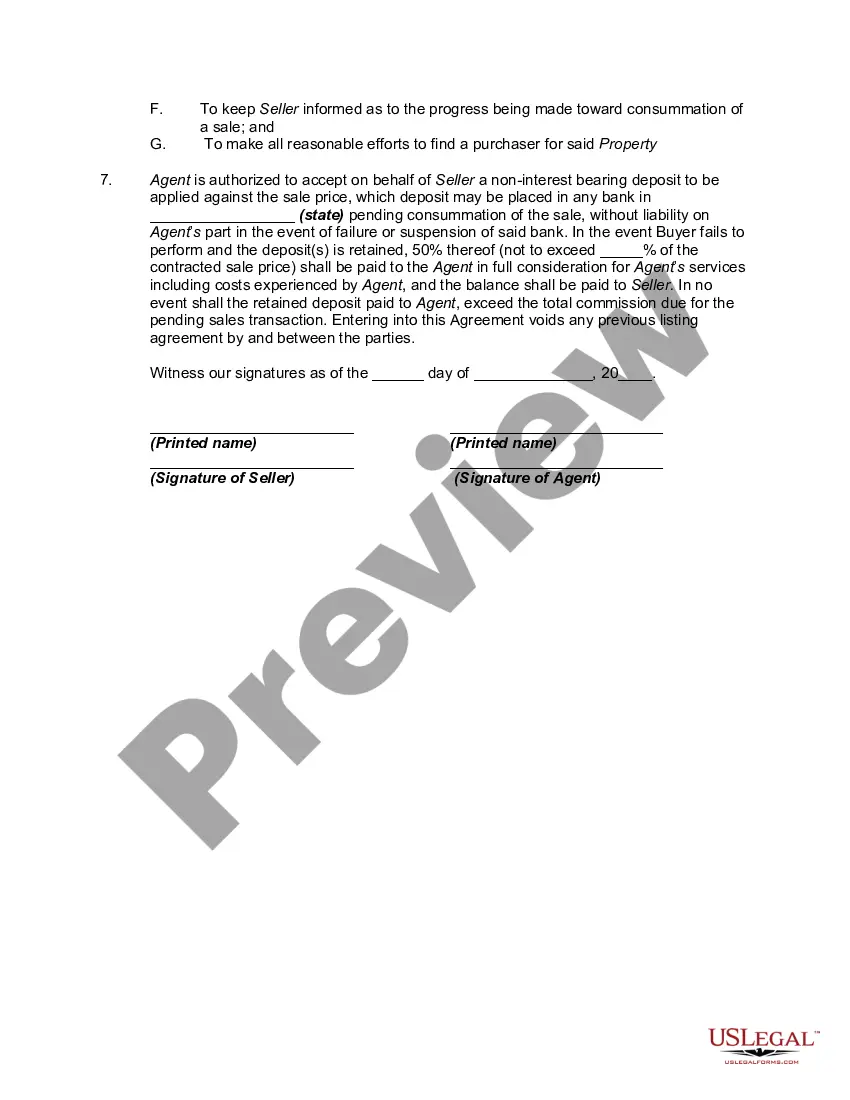

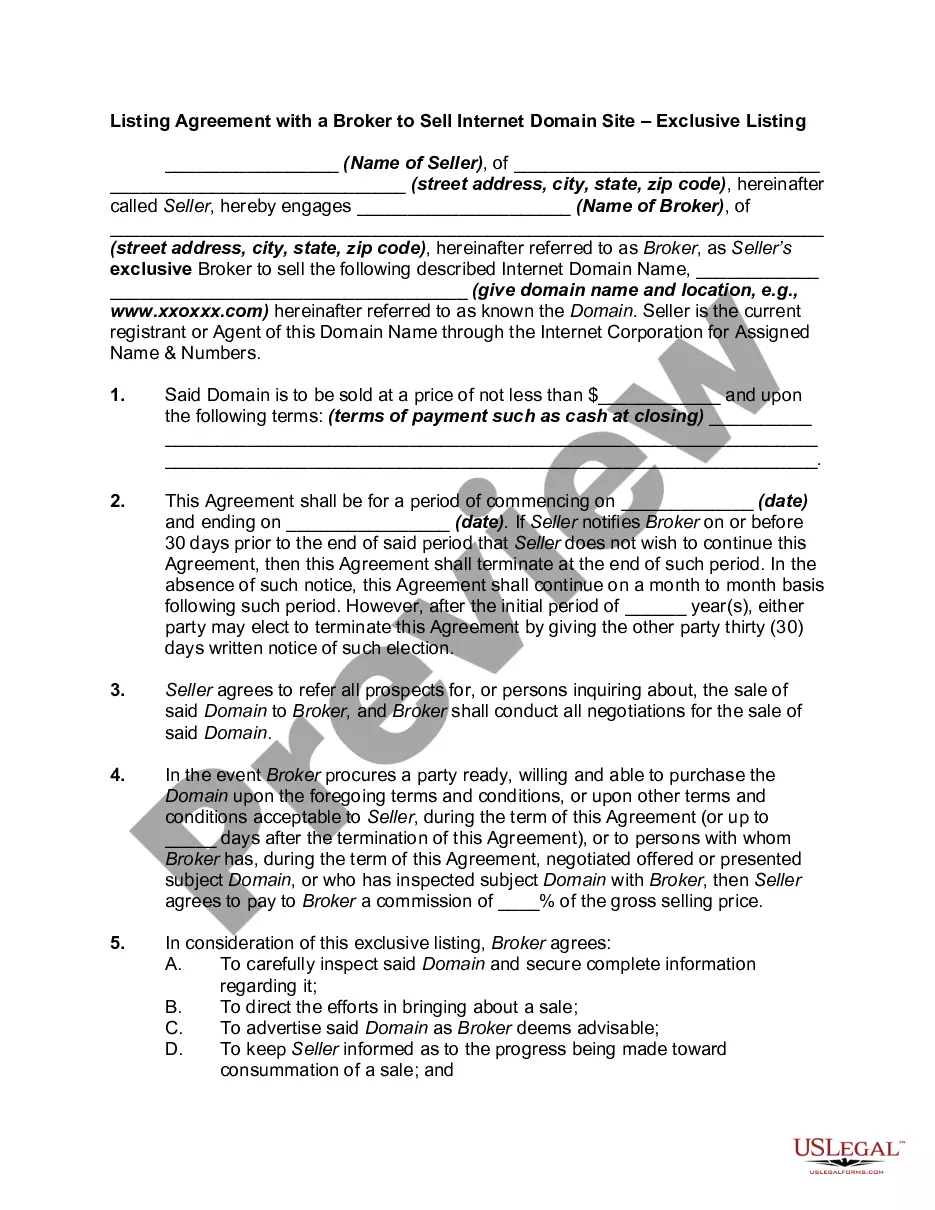
Get your form ready online
Our built-in tools help you complete, sign, share, and store your documents in one place.
Make edits, fill in missing information, and update formatting in US Legal Forms—just like you would in MS Word.
Download a copy, print it, send it by email, or mail it via USPS—whatever works best for your next step.
Sign and collect signatures with our SignNow integration. Send to multiple recipients, set reminders, and more. Go Premium to unlock E-Sign.
If this form requires notarization, complete it online through a secure video call—no need to meet a notary in person or wait for an appointment.
We protect your documents and personal data by following strict security and privacy standards.

Make edits, fill in missing information, and update formatting in US Legal Forms—just like you would in MS Word.

Download a copy, print it, send it by email, or mail it via USPS—whatever works best for your next step.

Sign and collect signatures with our SignNow integration. Send to multiple recipients, set reminders, and more. Go Premium to unlock E-Sign.

If this form requires notarization, complete it online through a secure video call—no need to meet a notary in person or wait for an appointment.

We protect your documents and personal data by following strict security and privacy standards.
Looking for another form?





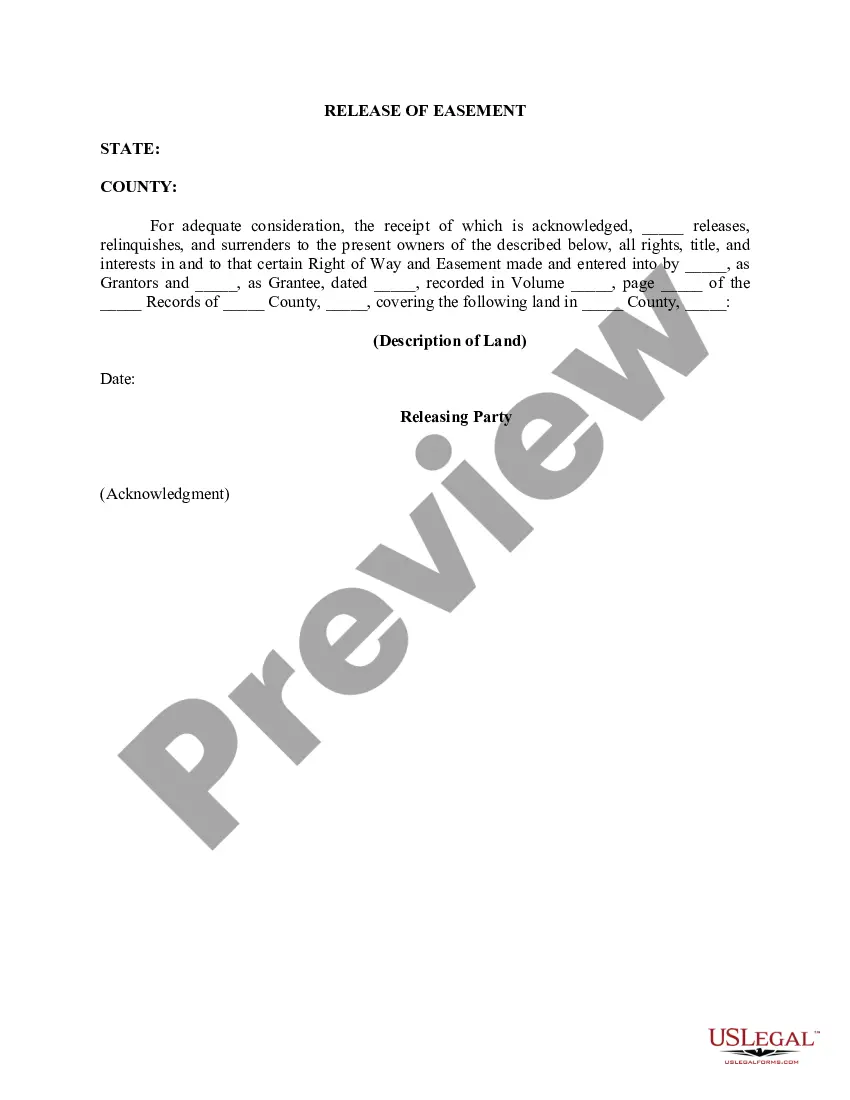

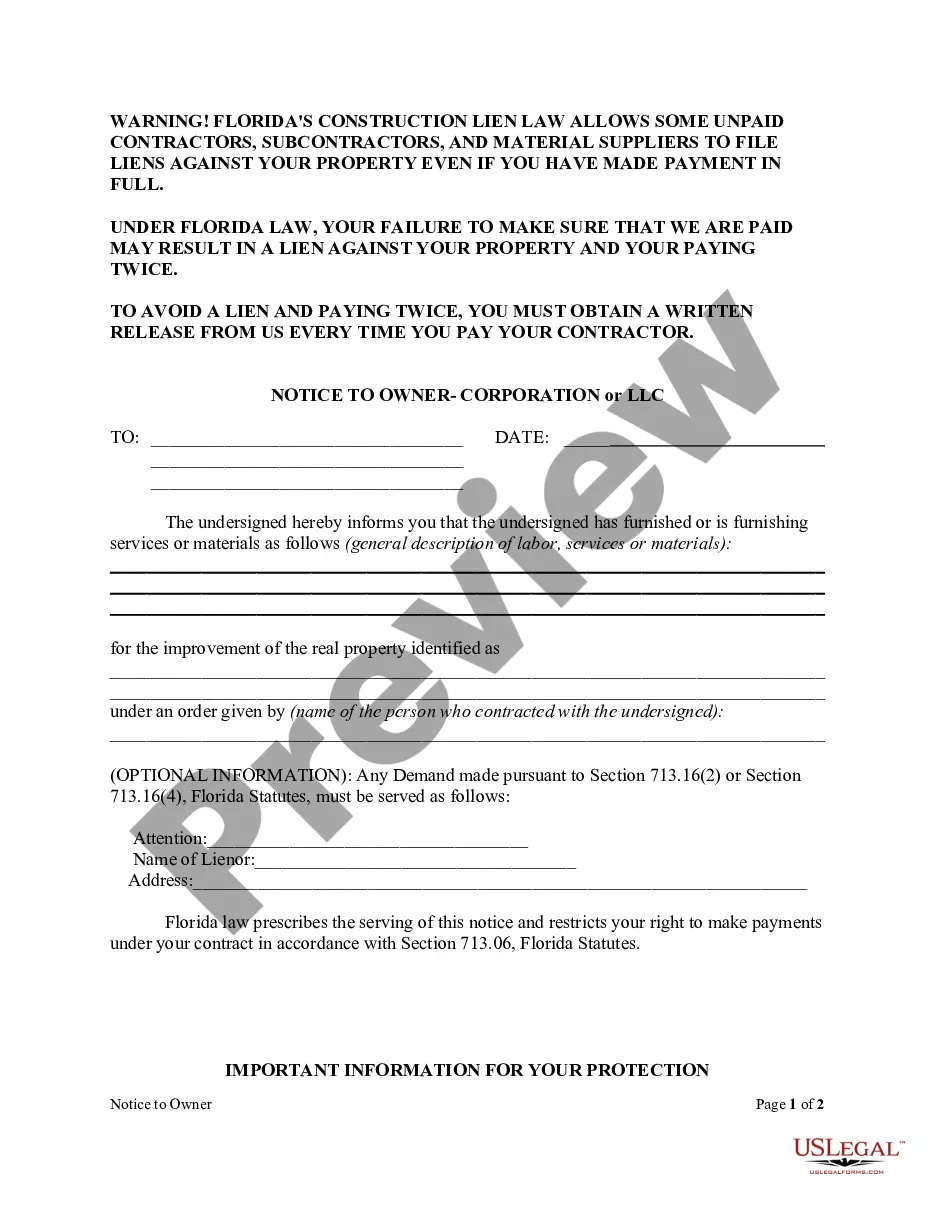
Form popularity
FAQ
Commercial real estate brokers assist landlords and tenants looking to lease or sublease office and retail space. These brokers negotiate favorable lease terms for their clients and set rent and other fees based on market research.
The primary difference between a commercial real estate broker and a commercial real estate agent is that the former can work independently while the latter does not.
One of the biggest perks of being a commercial real estate agent is the potential for higher earnings. Compared to residential real estate, commercial deals are typically larger, which means bigger commissions. If you're good at what you do, you could be looking at some serious income.
Brokers are not only more qualified than agents, but they generally have a few more years of experience. As such, those with a Broker License handle higher-level aspects of real estate transactions, including addressing the legal requirements of a deal and overseeing their agents.
There are three main strategies for selling a commercial property of any kind: Work with a commercial real estate broker. Market your property on commercial or FSBO listings websites. Analyze off-market data to identify likely buyers and connect with them directly.
Some of the primary differences between agents and brokers are: Agents work for insurance companies, while brokers work for consumers. Because brokers represent their clients, they have a duty to provide impartial advice and act in the buyers' best interest.
How Do I Get a Commercial Real Estate License in New York? Complete Your Education. To qualify for a commercial real estate license in New York, you must first complete the required education. Pass the NYS Real Estate License Exam. Find a Sponsor Broker. Submit a Completed License Application.
Including New York you can't sell commercial real estate with a residential license. You need aMoreIncluding New York you can't sell commercial real estate with a residential license. You need a license specifically for commercial real estate. Here's what you typically need to do meet the age and
New York City In the Big Apple, commercial lease commission rates are usually between 5% and 6% of the total lease value. The high demand for commercial properties in prime locations like Manhattan contributes to these elevated rates.
Report a complaint against a real estate broker, visit or call (518) 474-4429. number of this federally supported campaign. real estate professionals in New York, including brokers, salespeople and appraisers.
