Agent For Commercial Property In Bexar
Description

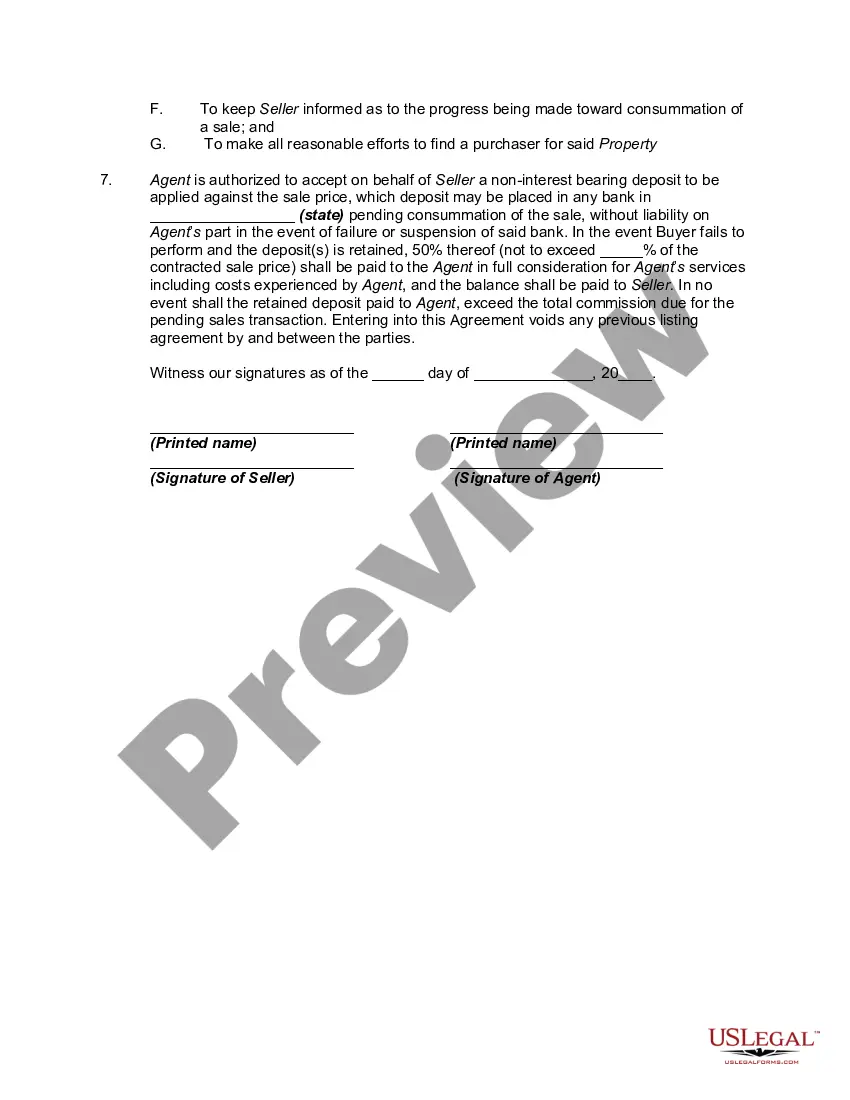

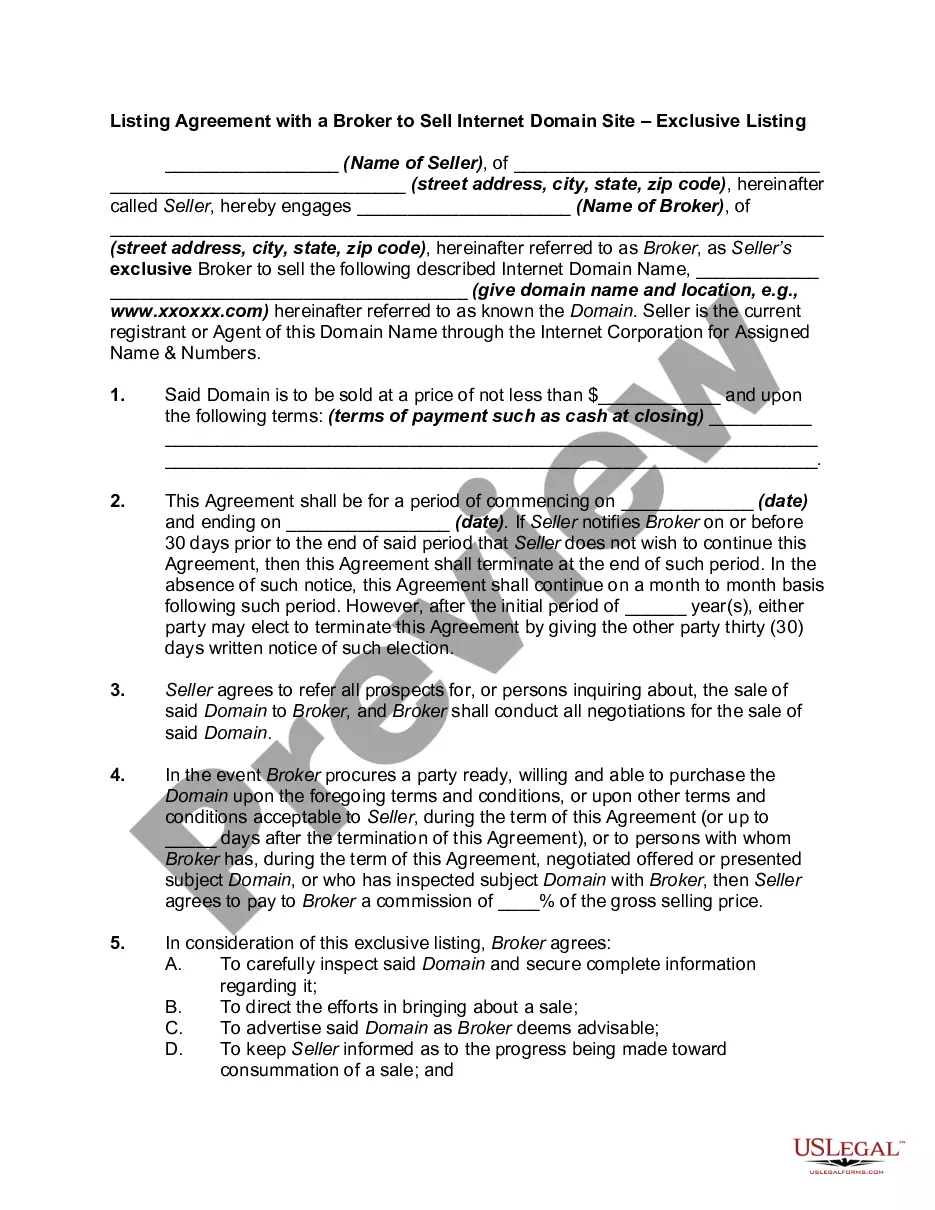
Get your form ready online
Our built-in tools help you complete, sign, share, and store your documents in one place.
Make edits, fill in missing information, and update formatting in US Legal Forms—just like you would in MS Word.
Download a copy, print it, send it by email, or mail it via USPS—whatever works best for your next step.
Sign and collect signatures with our SignNow integration. Send to multiple recipients, set reminders, and more. Go Premium to unlock E-Sign.
If this form requires notarization, complete it online through a secure video call—no need to meet a notary in person or wait for an appointment.
We protect your documents and personal data by following strict security and privacy standards.

Make edits, fill in missing information, and update formatting in US Legal Forms—just like you would in MS Word.

Download a copy, print it, send it by email, or mail it via USPS—whatever works best for your next step.

Sign and collect signatures with our SignNow integration. Send to multiple recipients, set reminders, and more. Go Premium to unlock E-Sign.

If this form requires notarization, complete it online through a secure video call—no need to meet a notary in person or wait for an appointment.

We protect your documents and personal data by following strict security and privacy standards.
Looking for another form?








Form popularity
FAQ
Using a commercial property as a residential space This means you need to apply to change the building use from commercial to residential. While this is perfectly achievable, the first thing to consider is the type of building you're interested in.
Commercial land is zoned for commercial or business use. It is usually intended for the construction and operation of commercial buildings and facilities. Greenfield or agricultural land typically refers to undeveloped land for farm use or pasture.
While Texas doesn't have a separate license for commercial real estate, the standard real estate license allows you to sell residential and commercial properties.
And safety standards for residential. Living attempting to live on commercial property can lead toMoreAnd safety standards for residential. Living attempting to live on commercial property can lead to legal. Issues fines and eviction as it violates zoning laws.
(b) A landlord may not remove a door, window, or attic hatchway cover or a lock, latch, hinge, hinge pin, doorknob, or other mechanism connected to a door, window, or attic hatchway cover from premises leased to a tenant or remove furniture, fixtures, or appliances furnished by the landlord from premises leased to a ...
Commercial properties are used for business purposes, including restaurants, retail stores, and office spaces. A company or investor often owns the building and leases it out to a business. Residential properties, on the other hand, are used for living purposes.
A business homestead receives the same protection as a residence under Texas law. Tools, equipment, books and apparatus used in a trade are covered. An individual may claim both an urban and a business homestead; those claiming a rural homestead, however, may not claim a business homestead.
To answer the question of can a residential realtor sell commercial property, know that the answer is, "Yes." Various states have different licensure requirements, but they typically include taking a certain number of hours of an approved course, passing an exam, and working with a licensed firm.
The chief appraiser is responsible for granting/denying exemption applications. A property owner or the owner's authorized agent must file the necessary application before May 1 of the tax year. To apply for an exemption, call the Bexar Appraisal District at 210-224-2432.
Requests can be emailed to cs@bcad or mailed to PO Box 830248, San Antonio, TX 78283.
