Personal Property Damages For Rent In Washington
Description
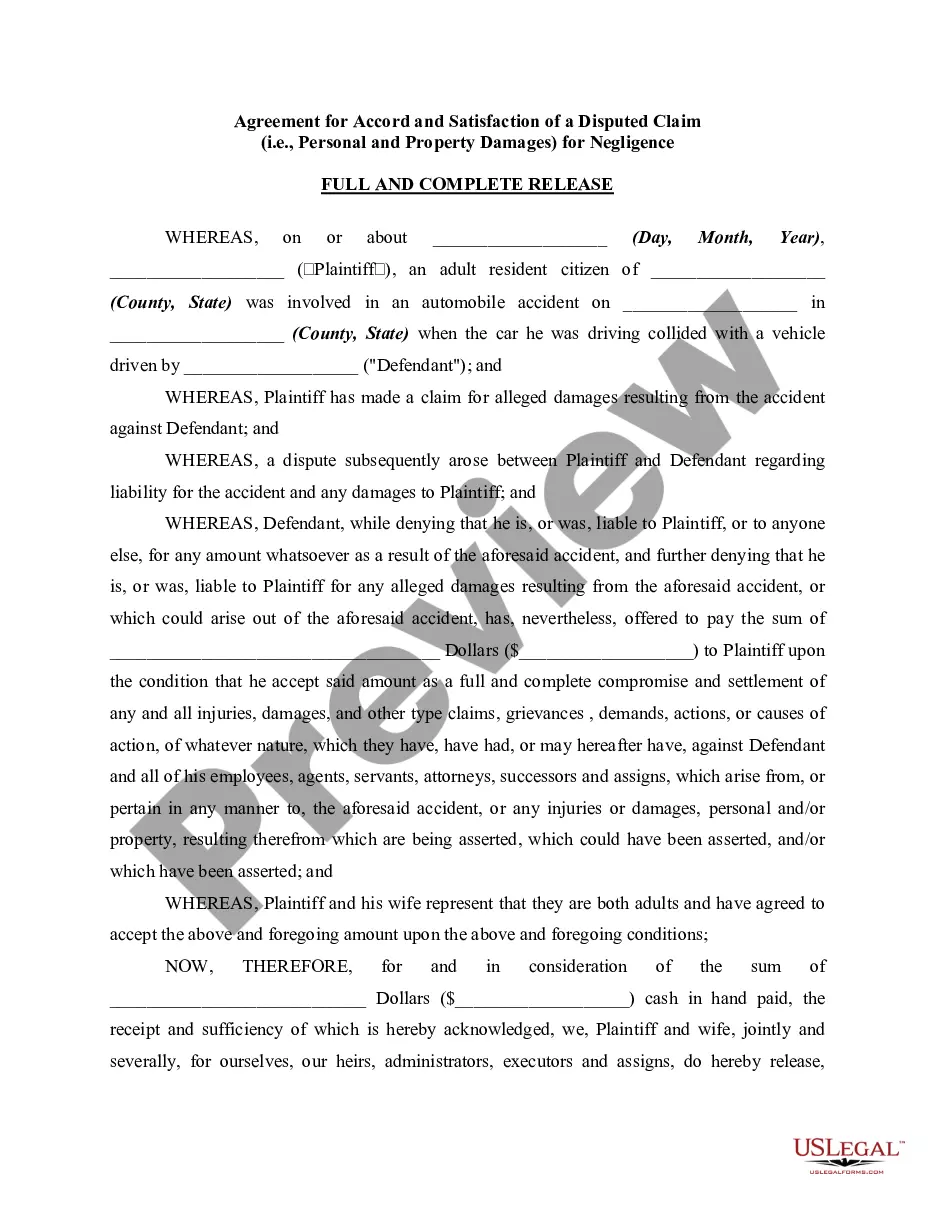
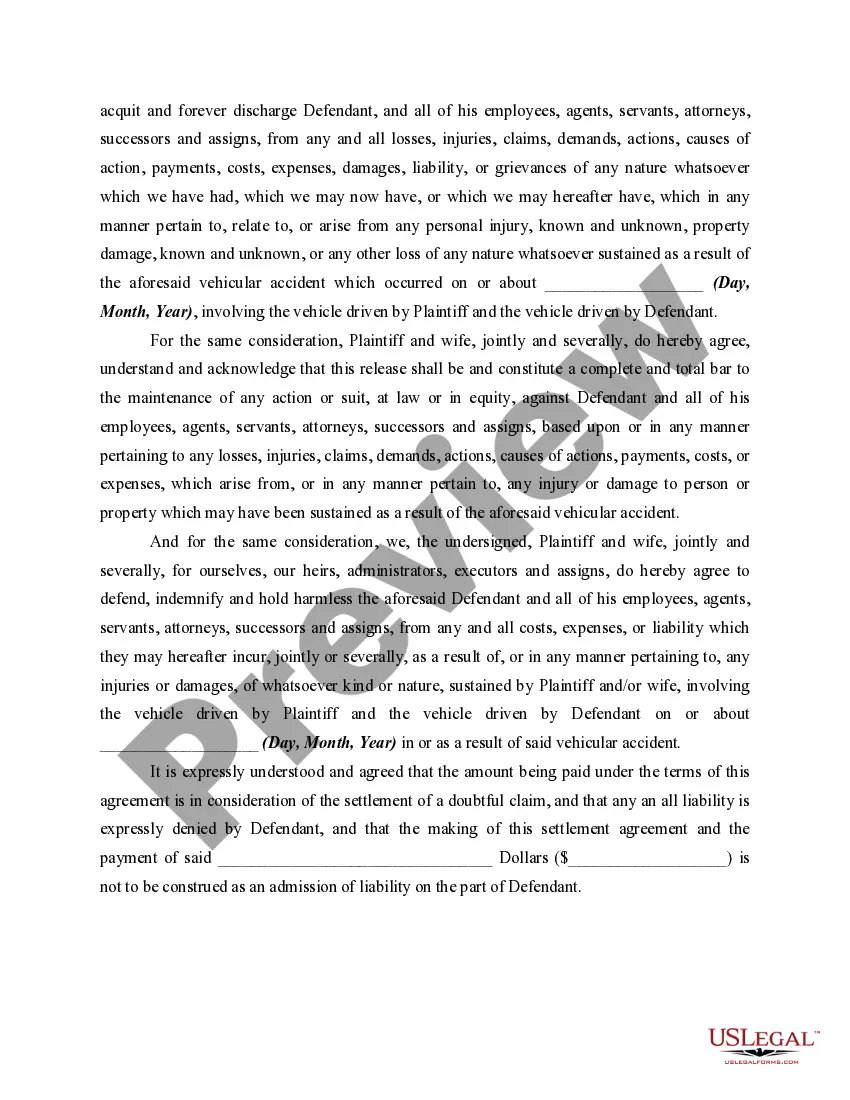
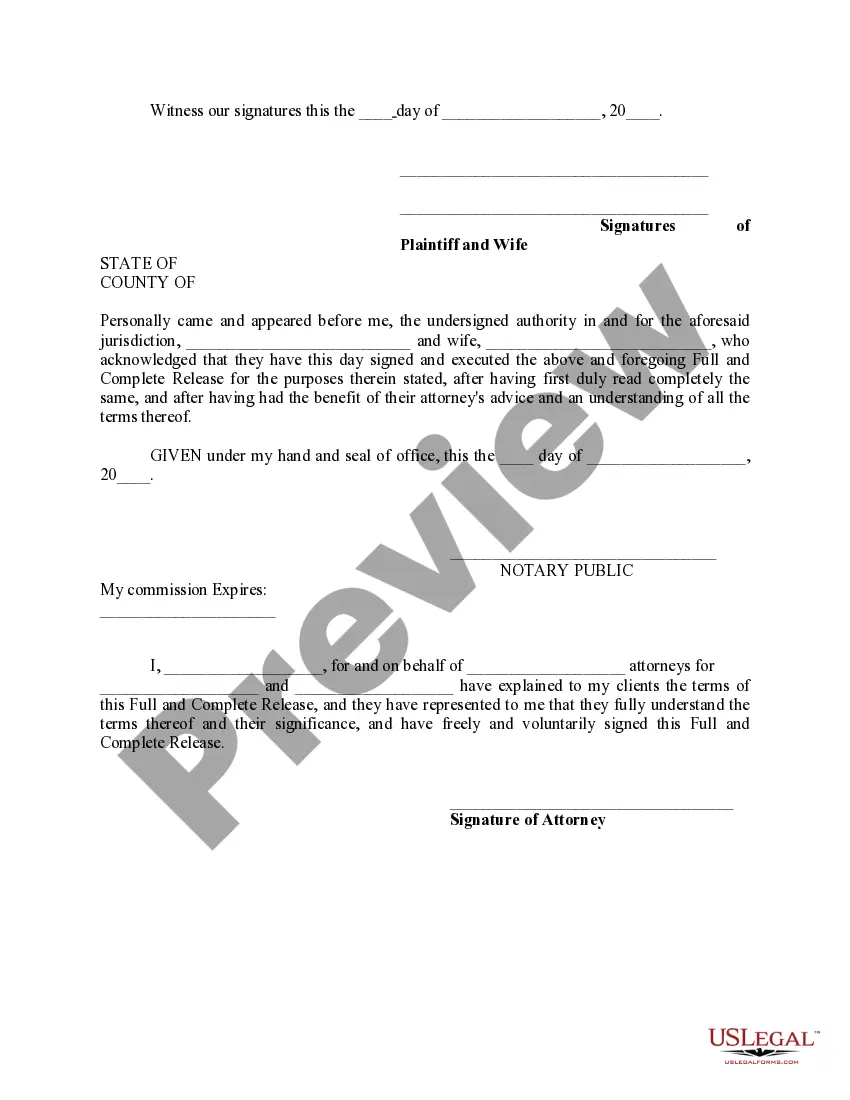

Get your form ready online
Our built-in tools help you complete, sign, share, and store your documents in one place.
Make edits, fill in missing information, and update formatting in US Legal Forms—just like you would in MS Word.
Download a copy, print it, send it by email, or mail it via USPS—whatever works best for your next step.
Sign and collect signatures with our SignNow integration. Send to multiple recipients, set reminders, and more. Go Premium to unlock E-Sign.
If this form requires notarization, complete it online through a secure video call—no need to meet a notary in person or wait for an appointment.
We protect your documents and personal data by following strict security and privacy standards.

Make edits, fill in missing information, and update formatting in US Legal Forms—just like you would in MS Word.

Download a copy, print it, send it by email, or mail it via USPS—whatever works best for your next step.

Sign and collect signatures with our SignNow integration. Send to multiple recipients, set reminders, and more. Go Premium to unlock E-Sign.

If this form requires notarization, complete it online through a secure video call—no need to meet a notary in person or wait for an appointment.

We protect your documents and personal data by following strict security and privacy standards.
Looking for another form?








Form popularity
FAQ
File your small claims suit in the district court of the county where the landlord resides. If you cannot locate the landlord's address, you can file in the district of their place of employment. You can file suit against both the owner and the property manager, or just one individually.
In Washington State, tenant abandonment occurs when tenants stop paying rent and clearly indicate—through words or actions—that they no longer intend to continue renting or occupying the unit. This is defined in the Washington Residential Landlord-Tenant Act, specifically under RCW 59.18. 310.
By Washington law, you are required to store the property in a safe place and notify the person of the belongings in writing (you should do this by certified mail so you have a receipt of delivery). If the property is valued at under $250, you need to hold the belongings for 7 days.
10% penalty and interest for failure to report and deliver property by the due date. 5% penalty for failure to report and deliver property electronically.
(1) "Abandoned" means when the child's parent, guardian, or other custodian has expressed, either by statement or conduct, an intent to forego, for an extended period, parental rights or responsibilities despite an ability to exercise such rights and responsibilities.
New laws affecting renters in Washington State in 2023 Within 30 days after a tenant moves out, the landlord must either return the full security deposit or give the tenant a written statement documenting why they kept some or all of it.
Unlike wear and tear, accidental damage is often more immediate and noticeable. Examples of accidental damage include: Broken windows or glass. Holes in walls or doors.
Generally speaking, this is incorrect. Small nail holes are considered normal wear & tear in Washington state (and many others).
Scuffs and minor scratches on things like floors and countertops would be considered wear and tear, but obvious and deep scratches, including those caused by pets, are damage.
