Personal Property Damages For Renters Insurance In Virginia
Description
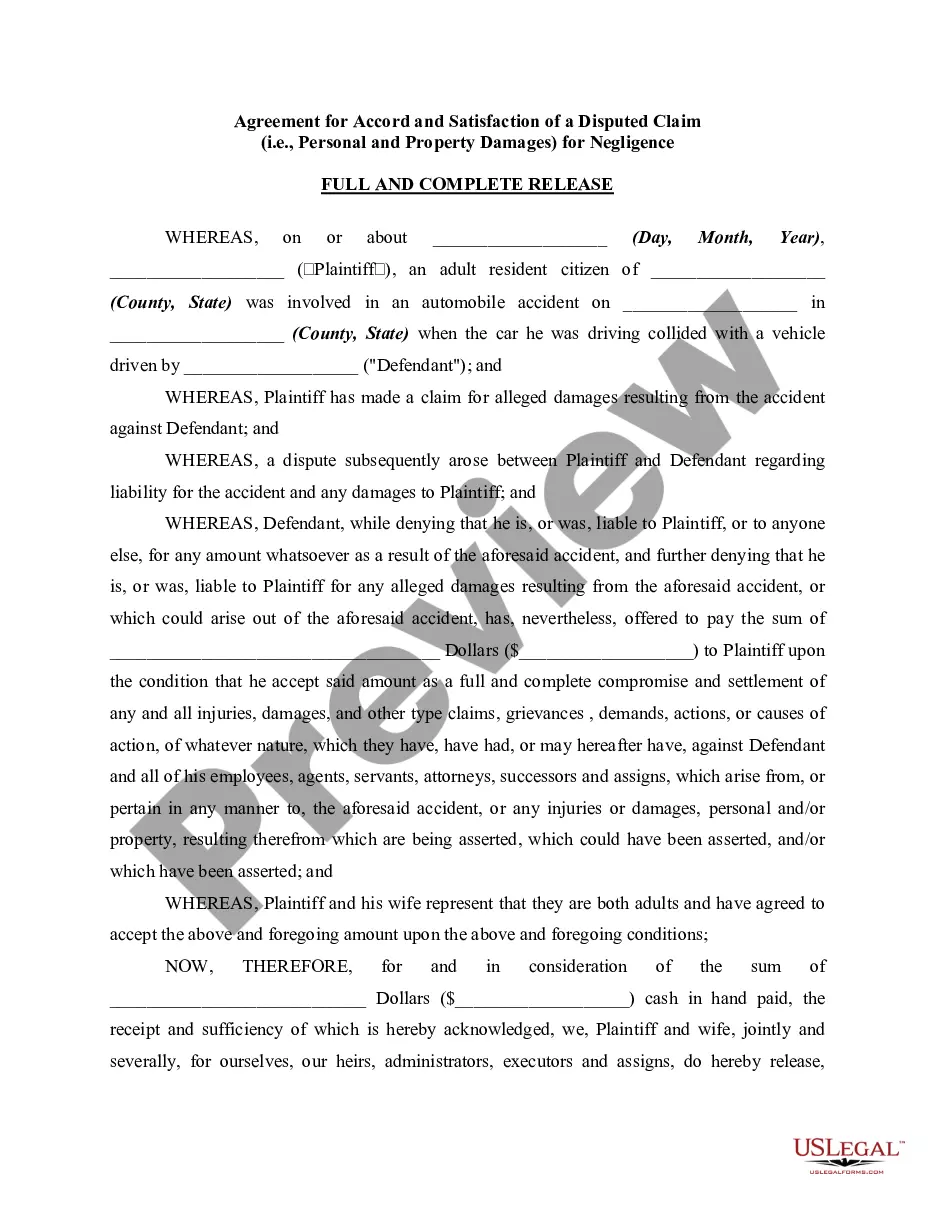
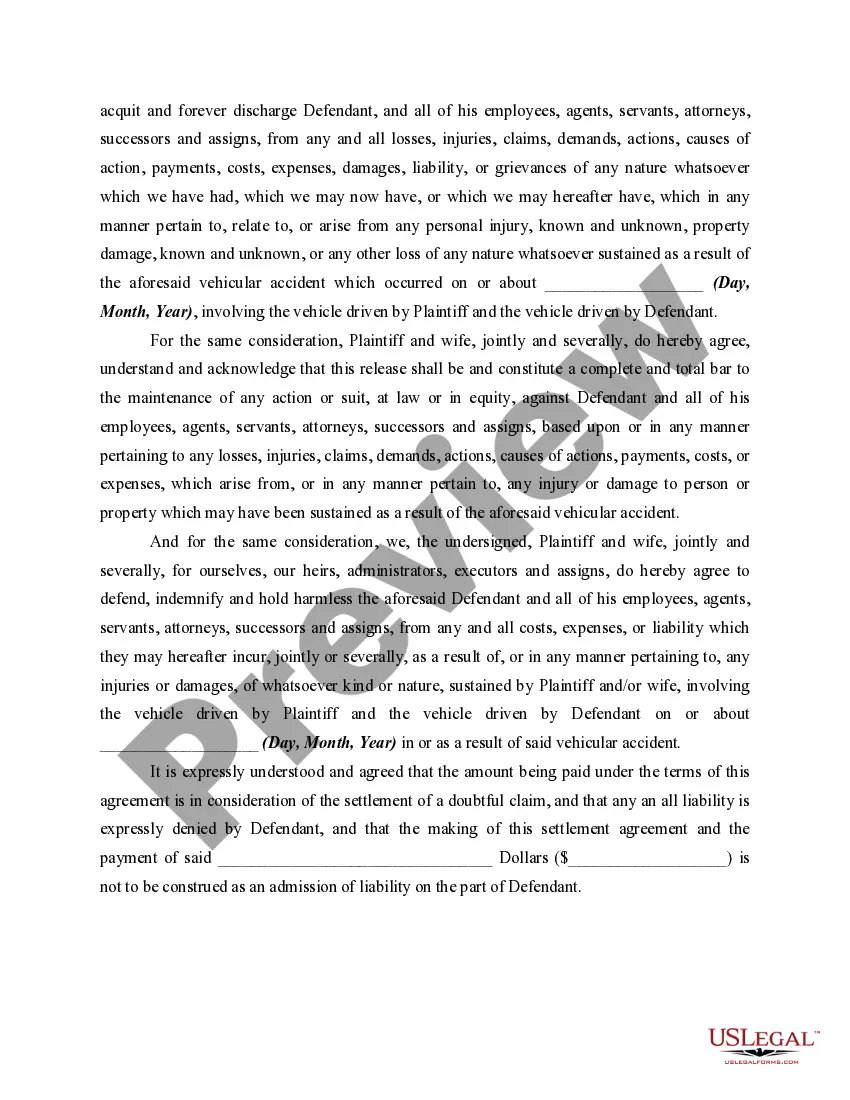
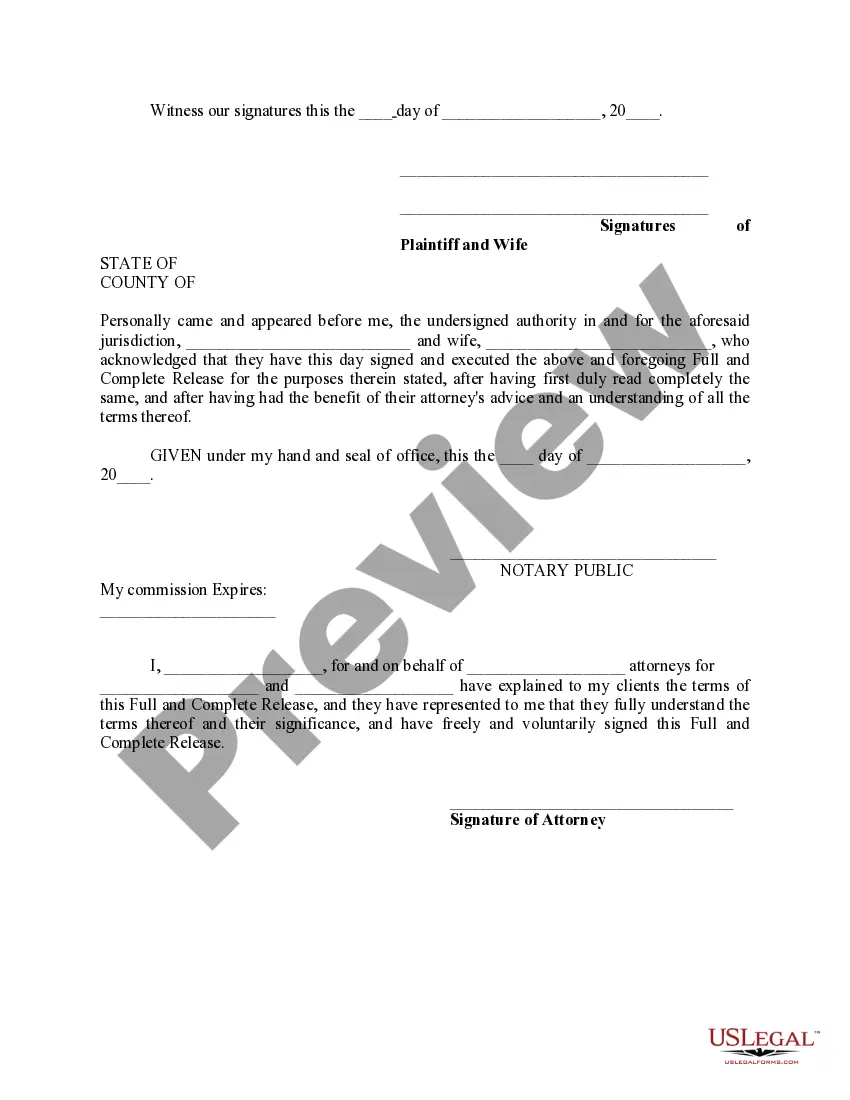

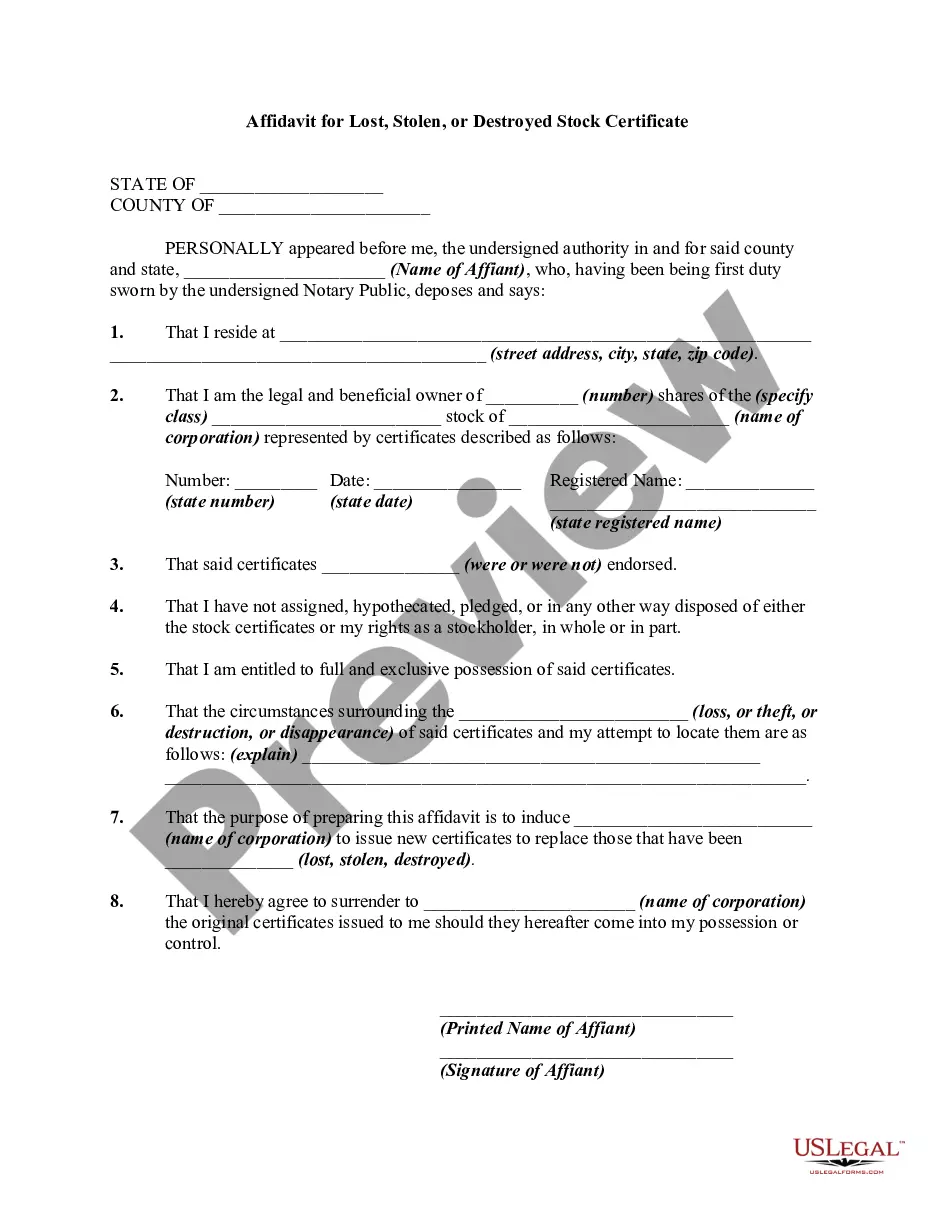
Get your form ready online
Our built-in tools help you complete, sign, share, and store your documents in one place.
Make edits, fill in missing information, and update formatting in US Legal Forms—just like you would in MS Word.
Download a copy, print it, send it by email, or mail it via USPS—whatever works best for your next step.
Sign and collect signatures with our SignNow integration. Send to multiple recipients, set reminders, and more. Go Premium to unlock E-Sign.
If this form requires notarization, complete it online through a secure video call—no need to meet a notary in person or wait for an appointment.
We protect your documents and personal data by following strict security and privacy standards.

Make edits, fill in missing information, and update formatting in US Legal Forms—just like you would in MS Word.

Download a copy, print it, send it by email, or mail it via USPS—whatever works best for your next step.

Sign and collect signatures with our SignNow integration. Send to multiple recipients, set reminders, and more. Go Premium to unlock E-Sign.

If this form requires notarization, complete it online through a secure video call—no need to meet a notary in person or wait for an appointment.

We protect your documents and personal data by following strict security and privacy standards.
Looking for another form?




Form popularity
FAQ
While renters insurance is not required by law in Virginia, some landlords may require it for you to live in their building. It's generally a good idea to have at least some form of coverage as your landlord's insurance is not liable for any damage to your personal property.
When buying or maintaining a renters insurance policy, take inventory of your possessions and keep an updated list of items. Renters insurance tends to cover loss or damage to items in the home related to fire, theft, vandalism, plumbing, and electrical malfunctions.
Without coverage, you're financially vulnerable to theft, fire, or other unexpected disasters, which could leave you footing the bill for damages or lost belongings. Additionally, some landlords require renters insurance, so canceling might put you at odds with your lease agreement.
Renters insurance companies typically offer three options for renters liability coverage: $100,000, $300,000, and $500,000. Choose the limit that best protects your net worth.
What is the most common amount of renters insurance coverage? Renters insurance commonly covers around $30,000 in property damage and $100,000 in liability coverage.
What are the downsides of Lemonade renters insurance? One of Lemonade Insurance's main downsides is that it's difficult to connect with a human when submitting a claim, ing to customer reviews. Most communication occurs through an artificial intelligence (AI) chatbot or over email.
Personal property includes things like furniture, clothing, electronics, and kitchenware.
While renters insurance is not required by law in Virginia, some landlords may require it for you to live in their building. It's generally a good idea to have at least some form of coverage as your landlord's insurance is not liable for any damage to your personal property.
Liability Insurance Policy Minimum Limits Liability Insurance Coverage Requirements Injury or death of one person Property damage Policies effective Jan. 1, 2022 through December 31, 2024 $30,000 $20,000 Policies effective on or after Jan. 1, 2025 $50,000 $25,000
Personal property coverage protects things like electronics, clothing, and furniture. It may also extend to property temporarily left in your home by friends or family. Your car, pets, and property owned by roommates or landlords (such as appliances) are excluded from personal property coverage.
