Satisfaction Agreement Form In Contra Costa
Description
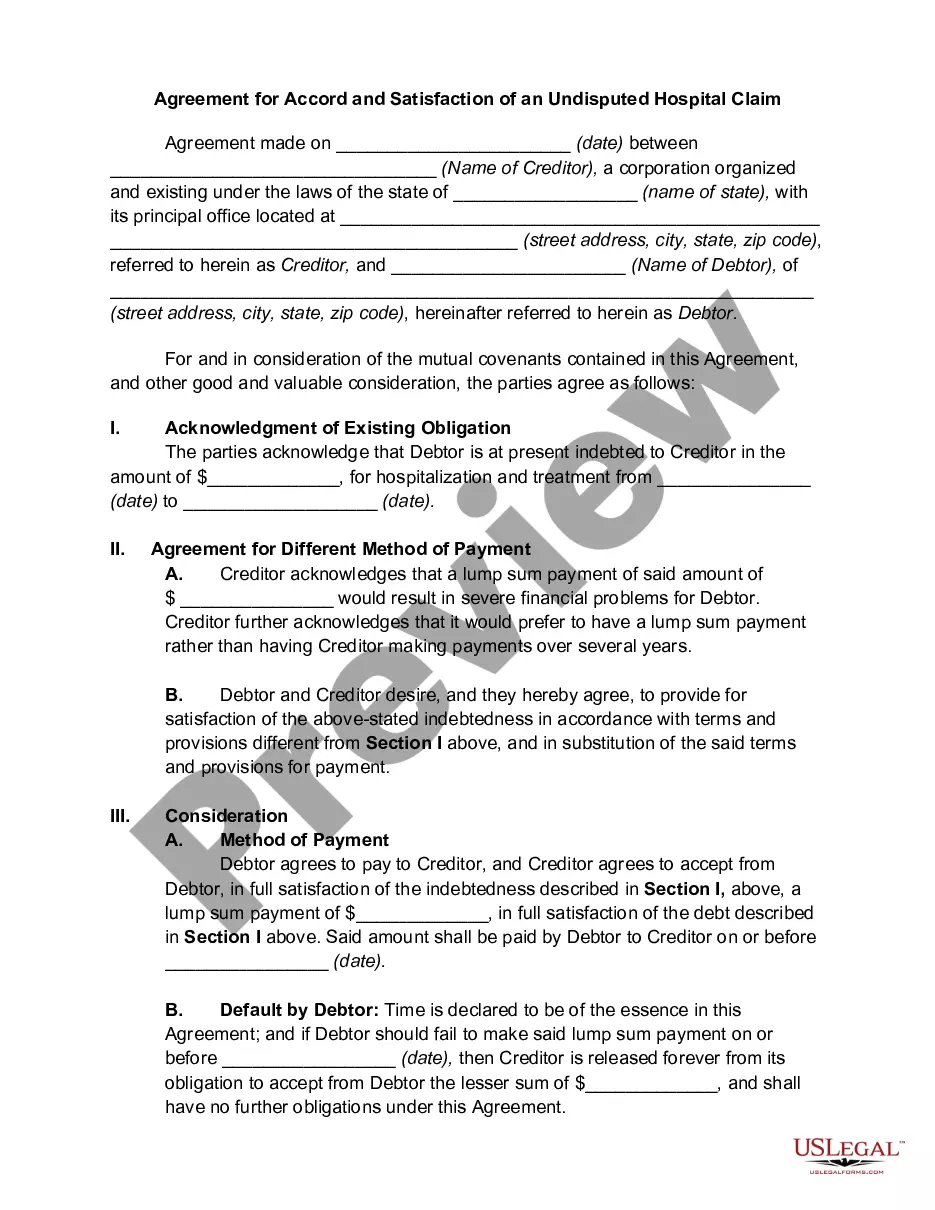
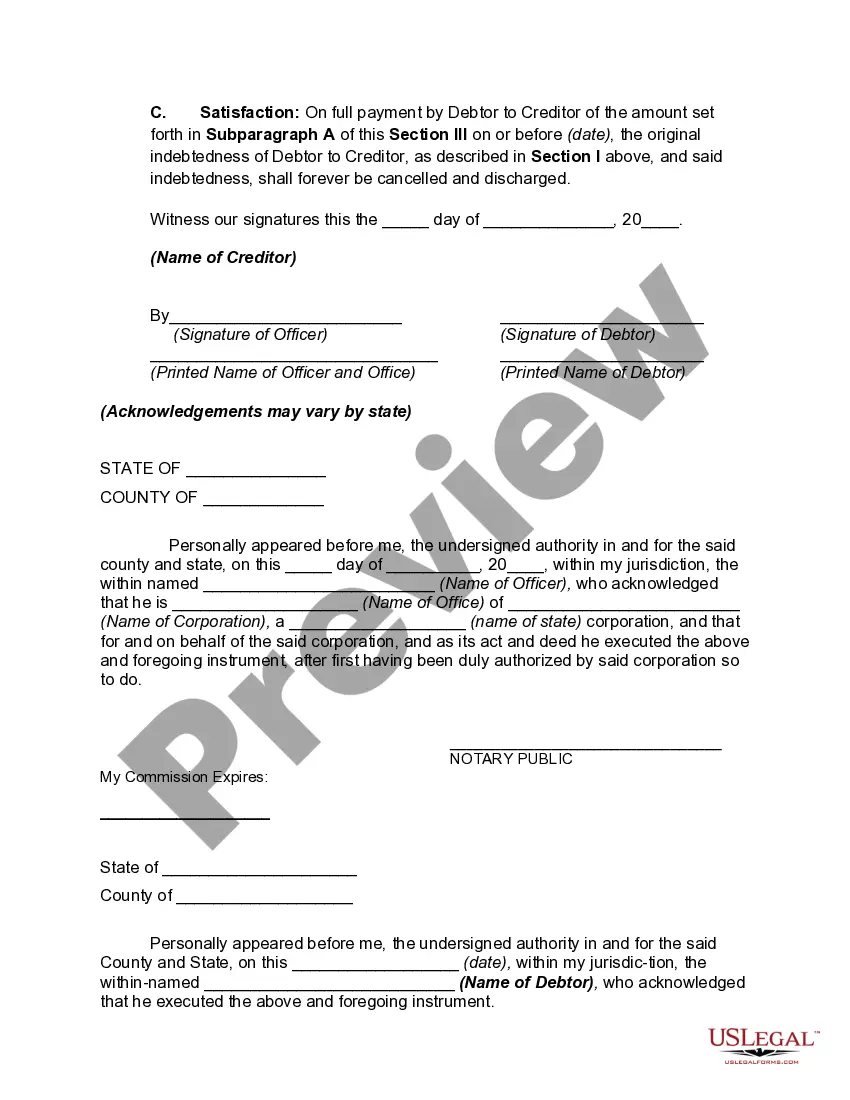

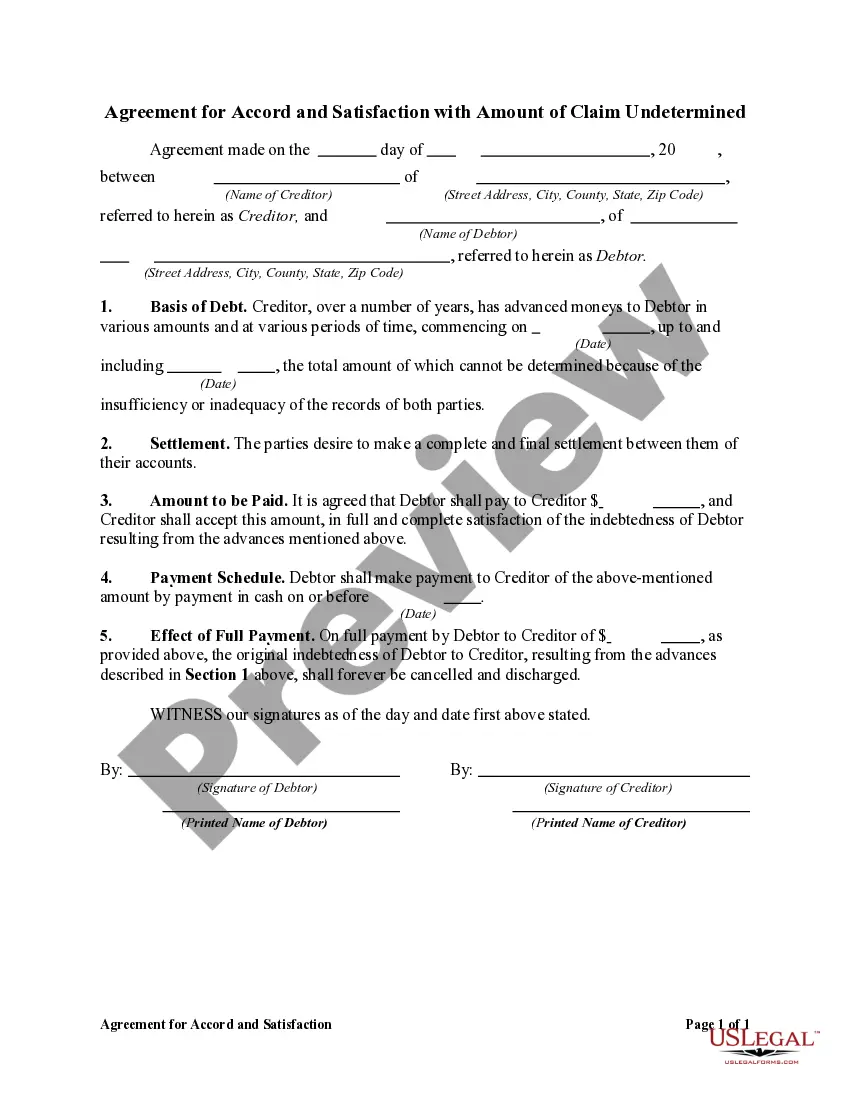
Get your form ready online
Our built-in tools help you complete, sign, share, and store your documents in one place.
Make edits, fill in missing information, and update formatting in US Legal Forms—just like you would in MS Word.
Download a copy, print it, send it by email, or mail it via USPS—whatever works best for your next step.
Sign and collect signatures with our SignNow integration. Send to multiple recipients, set reminders, and more. Go Premium to unlock E-Sign.
If this form requires notarization, complete it online through a secure video call—no need to meet a notary in person or wait for an appointment.
We protect your documents and personal data by following strict security and privacy standards.

Make edits, fill in missing information, and update formatting in US Legal Forms—just like you would in MS Word.

Download a copy, print it, send it by email, or mail it via USPS—whatever works best for your next step.

Sign and collect signatures with our SignNow integration. Send to multiple recipients, set reminders, and more. Go Premium to unlock E-Sign.

If this form requires notarization, complete it online through a secure video call—no need to meet a notary in person or wait for an appointment.

We protect your documents and personal data by following strict security and privacy standards.
Looking for another form?








Form popularity
FAQ
To start a simple contract, begin by identifying the parties and outlining the essential terms. A contract should include the agreement, consideration (what is exchanged), terms and conditions, and signatures. Keeping it straightforward and clear helps avoid misunderstandings and ensures enforceability.
What is typically included in a contract for services. Description of services. This lays out what professional services you and your company will receive. Payment terms. Ownership rights. Confidentiality clause. Indemnification clause. Amendment. Termination. Dispute resolution.
How to Write a Partnership Agreement Define Partnership Structure. Outline Capital Contributions and Ownership. Detail Profit, Loss, and Distribution Arrangements. Set Decision-Making and Management Protocols. Plan for Changes and Contingencies. Include Legal Provisions and Finalize the Agreement.
Write the contract in six steps Start with a contract template. Open with the basic information. Describe in detail what you have agreed to. Include a description of how the contract will be ended. Write into the contract which laws apply and how disputes will be resolved. Include space for signatures.
Contact Us 925-957-2200. TTY: 711. 925-646-2566 (Fax) To send the DA's Office an email, please email DAOffice@contracostada Note: Do not use this email address for Discovery Requests. All Discovery Requests should be faxed to the appropriate Unit. Office locations and maps click here.
To write a simple contract, title it clearly, identify all parties and specify terms (services or payments). Include an offer, acceptance, consideration, and intent. Add a signature and date for enforceability. Written contracts reduce disputes and offer better legal security than verbal ones.
Where to file by City, ZIP code CityZIP Code(s)Your courthouse is Hilltop Mall 94806 George D. Carroll Courthouse, Richmond Knightsen 94548 Richard E. Arnason Justice Center, Pittsburg Lafayette 94549 Wakefield Taylor Courthouse, Martinez Martinez 94553 Wakefield Taylor Courthouse, Martinez32 more rows
Conclusion: Going to small claims court may be worth it for $500, but it will determine how you weigh your costs versus benefits. At a minimum, it is worth it to send a demand letter.
Generally, you can only sue for up to $12,500 in small claims court (or up to $6,250 if you're a business). You can ask a lawyer for advice before you go to court, but you can't have one with you in court. Starting November 1, 2021, you can sue or be sued for COVID-19 rental debt in small claims.
If you are: a person (this includes sole-proprietors) you may claim up to $12,500; if you are a Corporation, limited liability company or partnership, you may claim up to $6,250.
